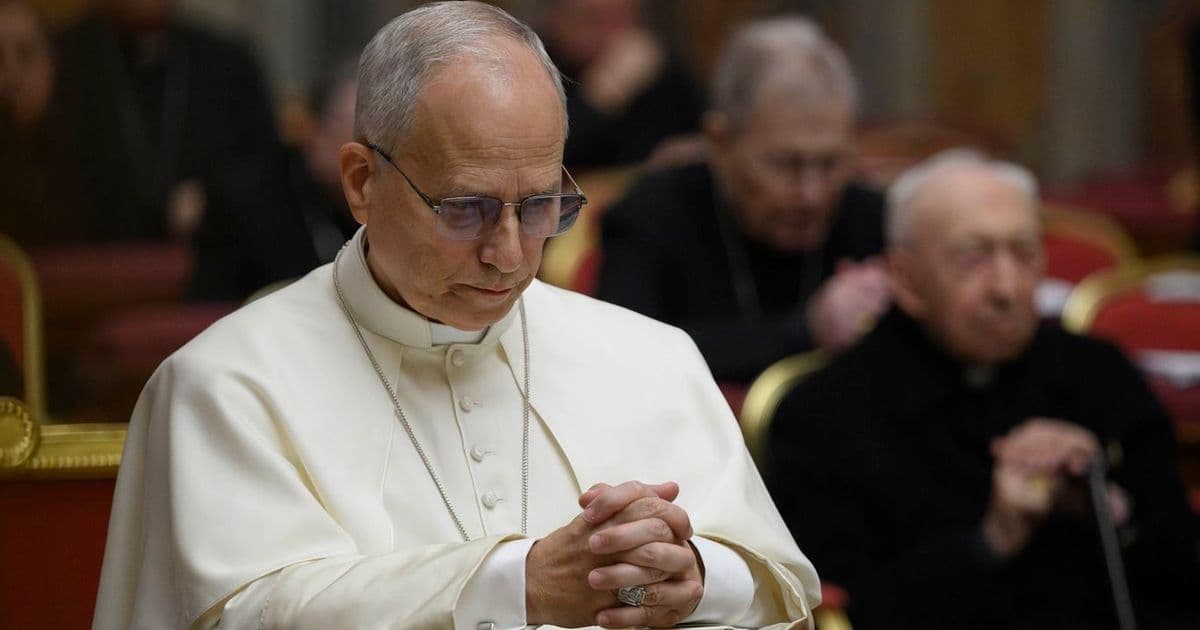
Pope Leo XIV has issued a strong condemnation of escalating violence between the U.S., Israel, and Iran, calling for diplomatic solutions and humanitarian aid as regional tensions reach a critical point.
Pope Leo XIV has issued a stark warning about the escalating conflict between the United States, Israel, and Iran, condemning what he described as a "spiral of violence" that threatens regional stability and humanitarian conditions.
In his first major statement on Middle Eastern affairs since ascending to the papacy, Pope Leo XIV called for immediate de-escalation and renewed diplomatic efforts. The pontiff's remarks come amid heightened tensions following recent Israeli strikes on Iranian targets and the U.S. military's increased presence in the region.
"The cycle of violence must be broken," Pope Leo XIV stated during a press conference at the Vatican. "We cannot allow military actions to become the default response to complex geopolitical challenges. The human cost is too great, and the path to lasting peace becomes more distant with each strike."
The Pope's comments specifically referenced the recent Israeli airstrikes on Iranian military installations, which Israel claims were in response to Iranian missile tests and support for proxy forces in the region. These strikes have been followed by increased U.S. naval deployments to the Persian Gulf, raising concerns about a potential broader conflict.
Pope Leo XIV emphasized the need for multilateral dialogue, calling on world leaders to return to the negotiating table. "True security cannot be achieved through military dominance alone," he said. "It requires addressing the underlying grievances, building trust, and creating frameworks for cooperation that benefit all parties involved."
The Vatican's position aligns with growing international concern about the humanitarian impact of the conflict. Aid organizations report that civilian casualties have increased significantly in recent weeks, with medical facilities in affected areas struggling to cope with the influx of wounded.
Regional analysts note that the Pope's intervention could carry significant weight, given the Vatican's historical role in facilitating dialogue between conflicting parties. The Catholic Church maintains diplomatic relations with both Israel and Iran, positioning it as a potential mediator in the crisis.
However, the Pope's call for de-escalation faces significant challenges. The U.S. State Department defended its support for Israel's right to self-defense, while Iranian officials have vowed to continue their military programs and regional activities. The situation remains fluid, with both sides showing little indication of backing down.
The Pope's statement also addressed the broader implications of the conflict for global stability. "When major powers engage in proxy conflicts," he noted, "the entire international community suffers. We must work together to create a framework for peaceful resolution that respects the sovereignty and security concerns of all nations involved."
As diplomatic efforts continue behind the scenes, the Pope has called for a day of prayer and fasting for peace in the region, scheduled for next week. This spiritual initiative aims to mobilize Catholic communities worldwide to support peace efforts and raise awareness about the human cost of the conflict.
The international community remains divided on how to address the situation. While some nations have called for immediate sanctions against Iran, others advocate for renewed negotiations on Iran's nuclear program and regional influence. The Pope's intervention adds a moral dimension to the debate, emphasizing the humanitarian and ethical implications of continued military action.
Pope Leo XIV's statement represents a significant moment in his young papacy, establishing his position on one of the world's most volatile conflicts. His emphasis on dialogue over military action and his concern for civilian casualties reflect the Catholic Church's traditional stance on just war principles and the sanctity of human life.
The coming weeks will be crucial in determining whether the Pope's call for de-escalation gains traction among world leaders. With tensions remaining high and military preparations continuing on all sides, the international community faces a critical test of its commitment to peaceful conflict resolution.
As the situation develops, the Vatican has offered to facilitate dialogue between the parties involved, though no formal negotiations have been scheduled. The Pope's statement serves as both a moral appeal and a practical proposal for breaking the current impasse and returning to the path of diplomacy.
For now, the "spiral of violence" that Pope Leo XIV warned against continues, with each side maintaining its position and the risk of further escalation remaining high. The international community watches closely as diplomatic efforts intensify and the humanitarian situation in affected areas grows increasingly dire.
Comments
Please log in or register to join the discussion