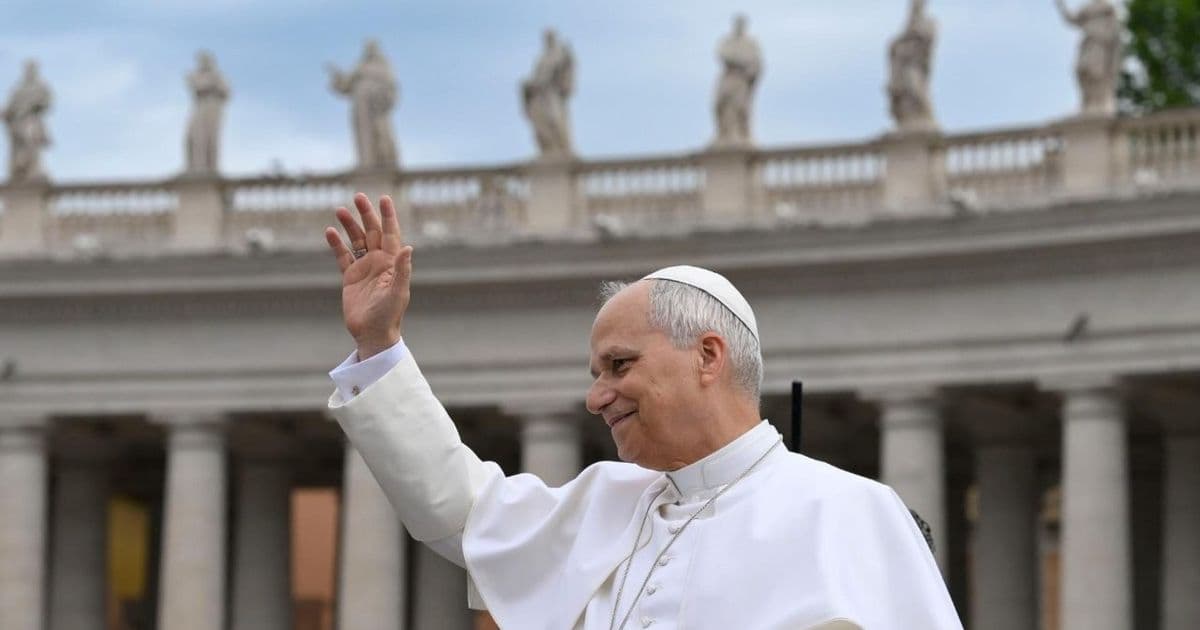
The Vatican will release Pope Leo XIV's first encyclical focusing on artificial intelligence's impact on human dignity, bringing together religious leaders and AI experts in an unprecedented dialogue on technology and humanity.
The Vatican has announced that Pope Leo XIV will release his first encyclical, "Magnifica humanitas," on May 25, 2026, addressing the challenge of preserving human dignity in the age of artificial intelligence. This significant document marks a notable moment in the intersection of religious thought and technological advancement, potentially influencing how global institutions approach AI ethics and governance.
The encyclical, bearing the Pope's signature dated May 15th, coincides with the 135th anniversary of Pope Leo XIII's encyclical "Rerum novarum," which established Catholic social teaching on labor rights and economic justice. This historical connection suggests that "Magnifica humanitas" may establish similar foundational principles for AI ethics within Catholic doctrine.
What makes this announcement particularly noteworthy is the presentation event scheduled for the same day at the Vatican's Synod Hall. The Pope will be joined by an interdisciplinary group of speakers including Cardinal Víctor Manuel Fernández, Prefect of the Dicastery for the Doctrine of the Faith; Cardinal Michael Czerny, S.J., Prefect of the Dicastery for Promoting Integral Human Development; Professor Anna Rowlands, a theologian from Durham University; Christopher Olah, co-founder of Anthropic and head of research on AI interpretability; and Professor Leocadia Lushombo, professor of political theology and Catholic social thought at the Jesuit School of Theology/Santa Clara University.
The inclusion of Christopher Olah, a respected AI researcher known for his work on AI interpretability and alignment, indicates that the Vatican is engaging deeply with technical aspects of AI rather than approaching the topic superficially. Olah's research at Anthropic focuses on making AI systems more understandable and aligned with human values, which aligns with the encyclical's theme of preserving human dignity in the technological age.
This development comes at a critical time as AI technologies rapidly advance and increasingly influence various aspects of human life. The encyclical may address concerns about AI's impact on employment, privacy, autonomy, and human relationships—topics that have been increasingly discussed in both technical and ethical circles.
The timing of this encyclical is significant. As governments worldwide grapple with AI regulation and major tech companies develop increasingly powerful AI systems, the Vatican's perspective could offer a unique moral framework that complements existing technical and regulatory approaches. Catholic social teaching has historically provided ethical guidance on technological developments, from industrialization to digital technologies, and this encyclical may extend that tradition to the AI era.
The choice of "Magnifica humanitas" (Great Humanity) as the title suggests a focus on the inherent dignity of human persons in relation to technological advancement. This theme resonates with broader discussions in the tech community about developing AI that serves humanity rather than diminishing human value or agency.
The interdisciplinary nature of the presentation event—with theologians, church leaders, and technical experts—reflects a growing recognition that addressing AI's challenges requires collaboration across disciplines. This approach contrasts with some earlier discussions about AI ethics that were either purely technical or purely philosophical without meaningful integration of perspectives.
While the content of the encyclical remains unknown until its release, the announcement itself signals that the Vatican is positioning itself as an active participant in shaping the future of AI governance. This could influence how religious communities worldwide engage with AI technologies and potentially contribute to global conversations about AI ethics.
The involvement of Cardinal Pietro Parolin, Secretary of State, who will offer closing remarks followed by an address and blessing by Pope Leo XIV, underscores the importance the Vatican is placing on this document. Such high-level involvement suggests that "Magnifica humanitas" may represent a significant contribution to Catholic social teaching in the digital age.
As AI continues to transform society, the perspectives of major religious institutions like the Vatican may play an important role in ensuring that technological developments align with human values and dignity. The release of "Magnifica humanitas" will be watched closely by both religious and technology communities as a potential model for how moral frameworks can engage constructively with emerging technologies.
This development comes amid increasing calls for ethical AI development from various quarters, including researchers, policymakers, and civil society organizations. By addressing these concerns from the perspective of Catholic social teaching, the Pope may offer insights that complement existing approaches to AI ethics.
The encyclical's significance extends beyond the Catholic community, as it represents one of the first major religious documents dedicated specifically to artificial intelligence. This could influence how other religious traditions approach AI ethics and potentially contribute to global conversations about AI governance.
As we await the full text of "Magnifica humanitas," the announcement itself represents a significant development in the conversation about AI ethics and governance. By bringing together religious leaders and AI experts, the Vatican is demonstrating that addressing the challenges of AI requires diverse perspectives and collaborative approaches.
In a technological landscape often dominated by profit motives and competitive pressures, the Pope's encyclical may offer a counterbalance by emphasizing human dignity, ethical responsibility, and the common good—values that have been central to Catholic social teaching throughout history and that may be particularly relevant as AI transforms our world.
The release of "Magnifica humanitas" on May 25, 2026, will be watched closely by both religious and technology communities as potentially setting important precedents for how moral frameworks engage with emerging technologies in the 21st century.
Comments
Please log in or register to join the discussion