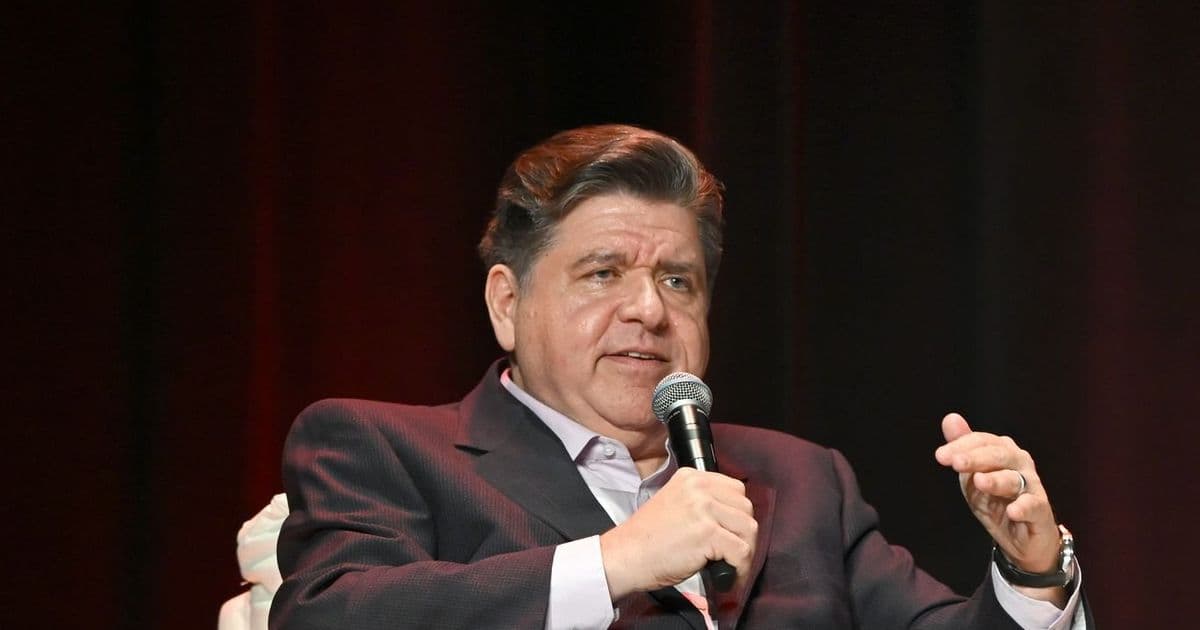
Illinois Governor JB Pritzker and Arizona Senator Ruben Gallego are both scheduled to visit Nevada this week, part of a calculated early-stage push to build relationships and test messages in a critical early primary state for the 2028 presidential cycle.
Illinois Governor JB Pritzker and Arizona Senator Ruben Gallego are both scheduled to visit Nevada this week, part of a calculated early-stage push to build relationships and test messages in a critical early primary state for the 2028 presidential cycle. The visits, confirmed by multiple sources familiar with the schedules, come as the 2028 field begins to take shape nearly two years before the first primary votes are cast.
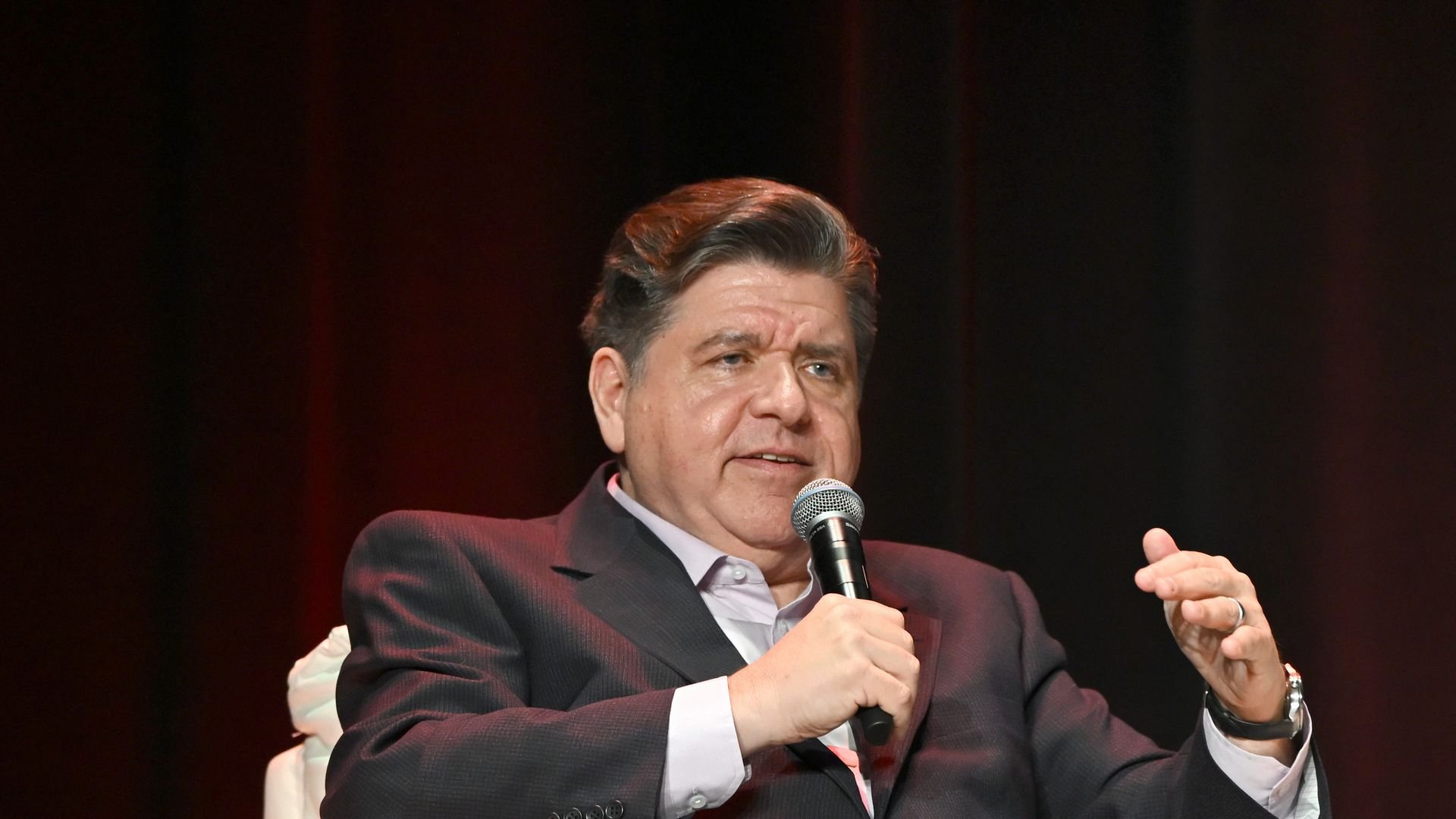
Pritzker's itinerary includes a fundraiser for the Nevada State Democratic Party on Wednesday, followed by a roundtable with union leaders in Las Vegas on Thursday. The fundraiser is expected to raise over $250,000 for the state party, a significant sum for an off-year event. For Pritzker, a potential 2028 contender, Nevada represents a crucial proving ground. The state's early primary status and its diverse electorate—particularly its large Latino and unionized workforce—make it a bellwether for Democratic candidates. Pritzker's team has been quietly building a Nevada operation for months, hiring local consultants and establishing relationships with key party officials.
Gallego's visit, scheduled for Friday, will focus on veterans' issues and housing affordability, two topics central to his political identity. He will hold a town hall in Reno and meet with the Nevada AFL-CIO. Gallego's strategy appears to be leveraging his background as a Marine combat veteran and his advocacy for working-class families to appeal to Nevada's union-heavy Democratic base. His campaign has already spent over $100,000 on digital ads targeting Nevada voters this quarter, according to Federal Election Commission filings.
The Nevada visits are part of a broader pattern of early positioning. Both Pritzker and Gallego have been active in key early states, with Pritzker making trips to Iowa and South Carolina in recent months, and Gallego focusing on Nevada and New Hampshire. This early activity is not just about fundraising; it's about building the infrastructure that will be critical in 2028. Campaigns that start early can secure top-tier staff, establish local volunteer networks, and gain name recognition before the field becomes crowded.
For Pritzker, the Nevada visit also serves as a test of his national appeal. As a governor from a traditionally blue state, he needs to demonstrate he can compete in more competitive regions. Nevada, which voted for President Biden by just over 2 points in 2020, is a state where a Democratic candidate must perform strongly to secure the nomination. Pritzker's team is betting that his record on economic issues—particularly his handling of Illinois' budget and his push for a $15 minimum wage—will resonate with Nevada's working-class voters.
Gallego's focus on veterans and housing is a strategic choice. Nevada has a significant veteran population, and housing affordability is a top issue for voters in the state, where home prices have risen sharply in recent years. By focusing on these issues, Gallego is attempting to carve out a distinct identity in a potentially crowded field. His team believes his personal story—growing up in a working-class family and serving in the military—will give him credibility on these topics.
The early visits also highlight the changing dynamics of presidential campaigns. In the past, candidates might wait until the year of the election to make serious overtures to early states. Now, with the media landscape fragmented and fundraising demands high, campaigns are starting earlier than ever. This trend has been accelerated by the experience of the 2020 and 2024 cycles, where early momentum proved critical.
For Nevada Democrats, the attention is welcome. The state party has struggled with fundraising and organization in recent years, and visits from high-profile national figures can help energize the base and attract new donors. The party's chair, Daniele Monroe-Moreno, has made rebuilding the state party a priority, and the visits from Pritzker and Gallego are a sign that national Democrats are taking Nevada seriously.
The visits also come as the 2028 field remains largely undefined. While Vice President Kamala Harris is considered the frontrunner, her plans are uncertain, and other potential candidates—including California Governor Gavin Newsom, Michigan Governor Gretchen Whitmer, and Transportation Secretary Pete Buttigieg—are also expected to compete. The early activity from Pritzker and Gallego suggests they are preparing for a competitive race, regardless of who else enters.
Ultimately, the Nevada visits are a small but significant part of a much larger puzzle. Building a presidential campaign is a multi-year process that requires careful planning, substantial resources, and a clear message. For Pritzker and Gallego, Nevada is just one piece of that puzzle, but it's a piece they are taking seriously. As the 2028 cycle progresses, the moves they make now will lay the foundation for the campaign they hope to run in two years.
Comments
Please log in or register to join the discussion