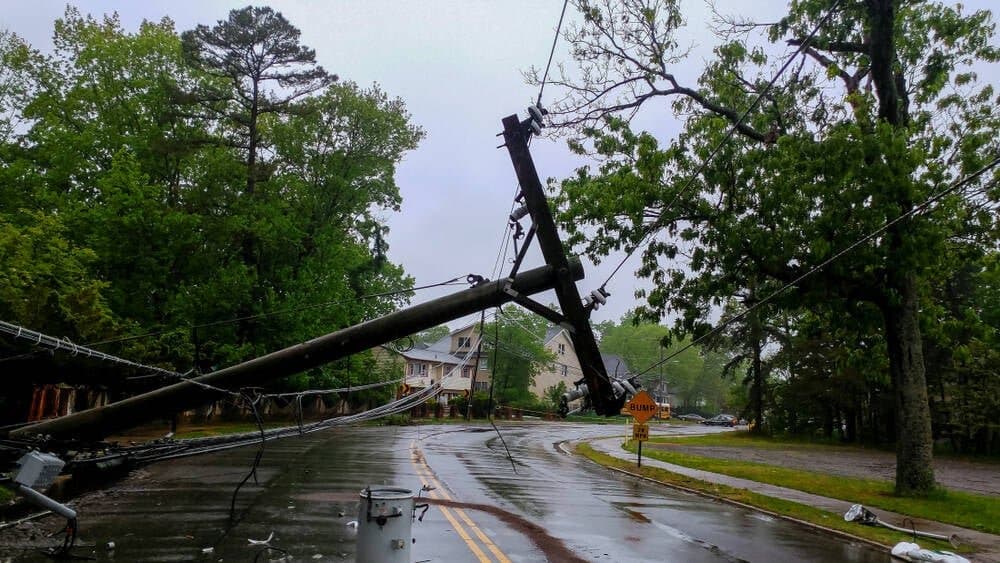
Cloudflare's Q4 2025 report documents persistent internet disruptions from cable cuts, power failures, and technical faults, underscoring critical infrastructure vulnerabilities requiring operational safeguards.
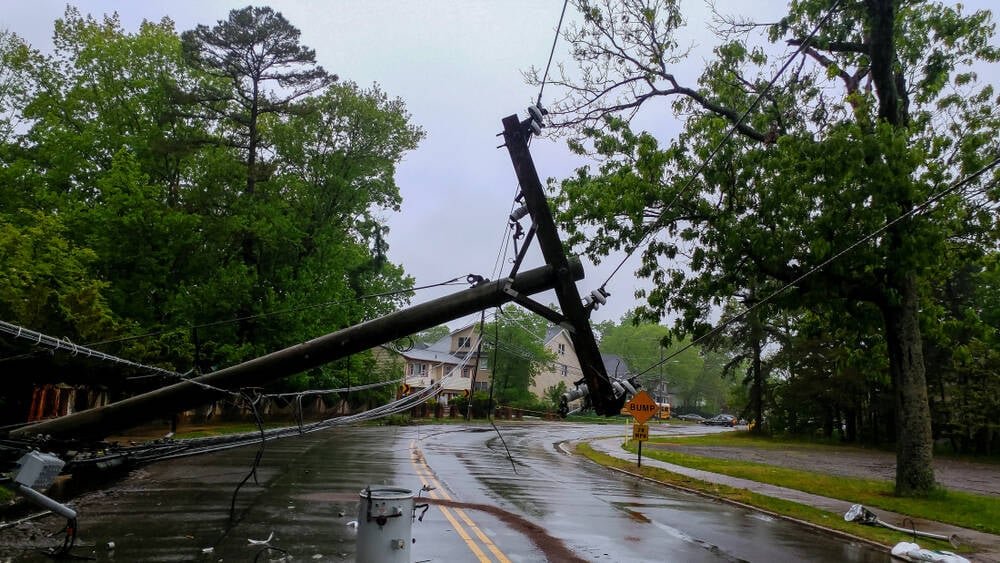
The latest Cloudflare Internet Disruptions Report for Q4 2025 reveals a pattern of recurring infrastructure failures causing significant global connectivity issues. According to the data, cable damage, power grid instability, and technical misconfigurations accounted for the majority of 180+ major disruptions tracked throughout 2025, with the final quarter demonstrating particularly acute vulnerability to physical infrastructure failures.
Cable Vulnerabilities Prove Persistent Threat
Multiple incidents demonstrated how submarine cable cuts remain a critical weak point. In Haiti, two separate incidents involving severed international fiber connections reduced Digicel's network traffic to near-zero levels until repairs were completed. Similarly, damage to the PEACE cable disrupted Pakistan's international connectivity, while faults in the West Africa Cable System caused cascading outages across Cameroon and neighboring nations. These incidents highlight the continued operational reality that redundant terrestrial routing and rapid response protocols remain essential for mission-critical services.
Power Infrastructure Failures Trigger Cascading Outages
Grid instability caused nationwide disruptions in multiple regions. The Dominican Republic experienced a complete nationwide blackout originating from transmission line failures, which subsequently collapsed internet connectivity. Kenya faced prolonged sluggish connectivity for hours after a regional grid fault with Uganda, despite power restoration. These cases illustrate how power redundancy plans must be integrated with network continuity strategies, particularly for organizations relying on single-region operations.
Environmental and Conflict-Related Disruptions
Natural disasters significantly impacted connectivity, with Hurricane Melissa causing multi-day internet traffic reductions in Jamaica and Cyclone Senyar disrupting power and telecom infrastructure across Sri Lanka and Indonesia through flooding and landslides. Military actions also contributed, as Russian drone strikes on Ukrainian energy infrastructure in Odesa reduced local internet traffic by 57% with recovery spanning several days.
Technical Misconfigurations and DNS Failures
Internal technical errors accounted for avoidable outages. Vodafone UK experienced a complete traffic collapse across two autonomous systems without public explanation. Simultaneously, DNS resolver failures proved particularly disruptive: Fastweb in Italy saw traffic drop over 75% for hours due to DNS issues, mirroring incidents in Israel and Indonesia. These cases demonstrate how DNS resilience mechanisms like secondary resolvers and protocol hardening are operational necessities rather than optional enhancements.
Cloud Provider Vulnerabilities
Even major platforms weren't immune, with Cloudflare reporting two internal incidents causing service unavailability during the quarter. Regional outages at AWS and Microsoft Azure created cascading performance issues for dependent services, reinforcing the need for multi-cloud failover strategies and real-time incident response protocols.
The consistency of these failure modes across quarters indicates that standard mitigation frameworks—including geographically distributed redundancy, power backup validation, DNS failover systems, and cable route diversification—remain baseline requirements for any organization requiring continuous connectivity. As infrastructure ages and climate-related events increase, proactive resilience planning moves from best practice to operational imperative.
Comments
Please log in or register to join the discussion