
The Pax Silica coalition, a US-led initiative to secure AI and semiconductor supply chains, is set to expand with the addition of Qatar and the United Arab Emirates on January 12 and 15, respectively. This move signals growing international alignment on the strategic importance of controlling critical technology infrastructure amid escalating geopolitical competition.
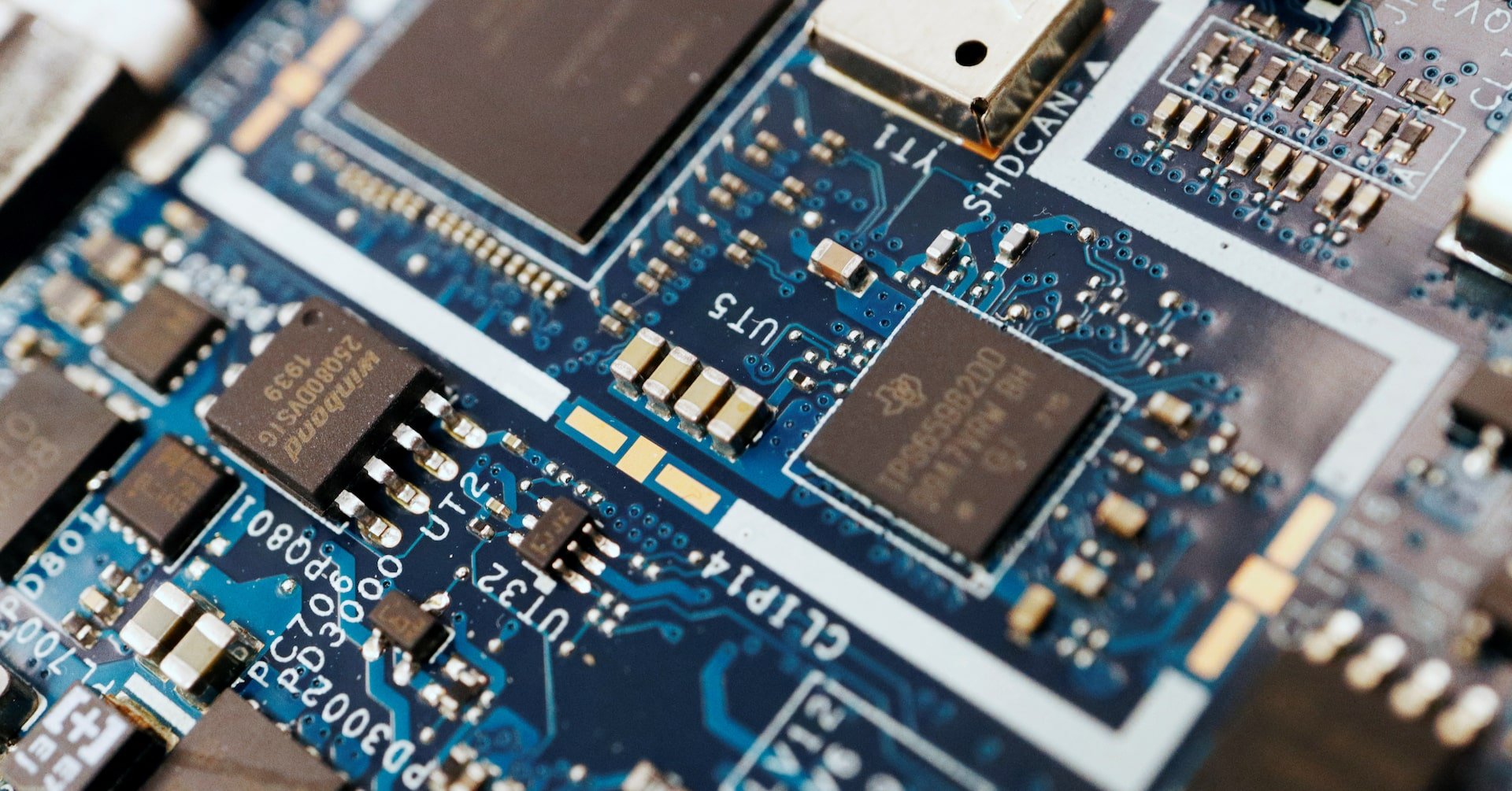
The geopolitical map for advanced technology is being redrawn, and the latest cartographers are working from Washington. According to a Reuters report, Qatar and the United Arab Emirates are poised to join the Pax Silica coalition, a US-led initiative focused on securing the supply chains that underpin artificial intelligence and semiconductor manufacturing. Qatar is scheduled to join on January 12, with the UAE following on January 15.
What is Pax Silica?
While details of the coalition's internal structure remain closely held, Pax Silica represents a concerted effort by the United States to build a trusted bloc of nations capable of insulating critical technology development from adversarial influence. The initiative emerges from a recognition that the globalized, just-in-time model for chip manufacturing and AI hardware distribution has become a significant vulnerability. The coalition's name, evoking both peace (Pax) and the fundamental material of semiconductors (Silica), hints at its dual goals: ensuring stability through technological dominance.
The core problem Pax Silica aims to solve is the concentration risk in the semiconductor supply chain. A handful of companies, primarily located in Taiwan and South Korea, manufacture the world's most advanced logic chips. The raw materials, specialized equipment, and intellectual property are spread across a complex network that is susceptible to disruption, whether from military conflict, trade disputes, or targeted sanctions. By bringing energy-rich Gulf states into the fold, the US is likely seeking to leverage their significant capital reserves and growing influence in global technology investment to diversify and fortify this network.
The Geopolitical Calculus
The inclusion of Qatar and the UAE is a strategic masterstroke for the US, but it also reflects the ambitions of the Gulf nations themselves. Both countries have been aggressively pursuing economic diversification plans—Qatar's National Vision 2030 and the UAE's various initiatives to reduce reliance on oil exports. Central to these plans is becoming hubs for advanced technology, research, and finance.
For the US, partnering with these nations provides several advantages:
- Capital: The sovereign wealth funds of Qatar and the UAE are among the largest in the world. They have the capacity to fund the massive capital expenditures required to build new semiconductor fabrication plants (fabs), research facilities, and AI data centers that align with Western security standards.
- Energy Resources: Semiconductor manufacturing is incredibly energy-intensive. Securing stable, and potentially preferential, energy supplies from these nations could provide a competitive edge.
- Geopolitical Leverage: Both countries maintain complex relationships with a wide range of global actors, including China. Their inclusion in a US-led security framework could help to pull them further into the Western orbit and away from reliance on Chinese technology, particularly as the US has restricted exports of advanced chips and manufacturing equipment to China.
This move is not without its complexities. The US has previously expressed security concerns regarding the close ties between Qatar and Iran, as well as the UAE's deep economic relationship with China. The decision to admit them into Pax Silica suggests a calculated risk: that the benefit of securing their capital and cooperation on supply chain issues outweighs the potential downsides of their other affiliations. It also signals that the US is willing to offer preferential access to its technology ecosystem as an incentive.
The Broader Context: A Fracturing Tech World
The expansion of Pax Silica is a clear indicator that the era of a single, integrated global technology market is ending. We are entering a period of technological bifurcation, characterized by competing spheres of influence. The US and its allies are building one bloc, centered on democratic governance and secure supply chains. China is simultaneously building its own, centered on technological self-sufficiency and its own standards.
This is not just about chips. It's about the entire stack of future technology:
- Hardware: The physical chips and the equipment to make them (e.g., ASML's lithography machines).
- Infrastructure: The data centers and networks that run AI models.
- Models: The foundational AI models themselves, and the data used to train them.
- Applications: The software and services built on top of the models.
Pax Silica is an attempt to control and secure the first two layers, creating a trusted foundation upon which the US and its allies can build a competitive advantage in the latter two. The coalition's expansion to the Gulf suggests this effort is gaining momentum and attracting significant players who see the value in aligning with the US-led order.
What Comes Next?
The formal accession of Qatar and the UAE is just the beginning. The real work will be in the implementation. We can expect to see several developments in the coming months:
- Joint Investment Announcements: Look for announcements of multi-billion dollar joint ventures between US tech companies, Gulf sovereign wealth funds, and potentially existing semiconductor players to build new fabrication facilities in "safe" jurisdictions.
- Standard-Setting: The coalition will likely work to establish common standards for supply chain security, data governance, and AI ethics, creating a bloc that can effectively set the global rules of the road.
- Export Control Harmonization: Member nations may be asked to align their own export control regimes with those of the US, creating a tighter net around sensitive technology.
The addition of Qatar and the UAE to Pax Silica is a significant escalation in the ongoing tech cold war. It confirms that the battle for technological supremacy is no longer just a contest between companies, but a full-blown national security priority for the world's most powerful nations. For the semiconductor and AI industries, the message is clear: the free-for-all of globalization is over. The future will be defined by trusted partnerships and geopolitical alignment.
Comments
Please log in or register to join the discussion