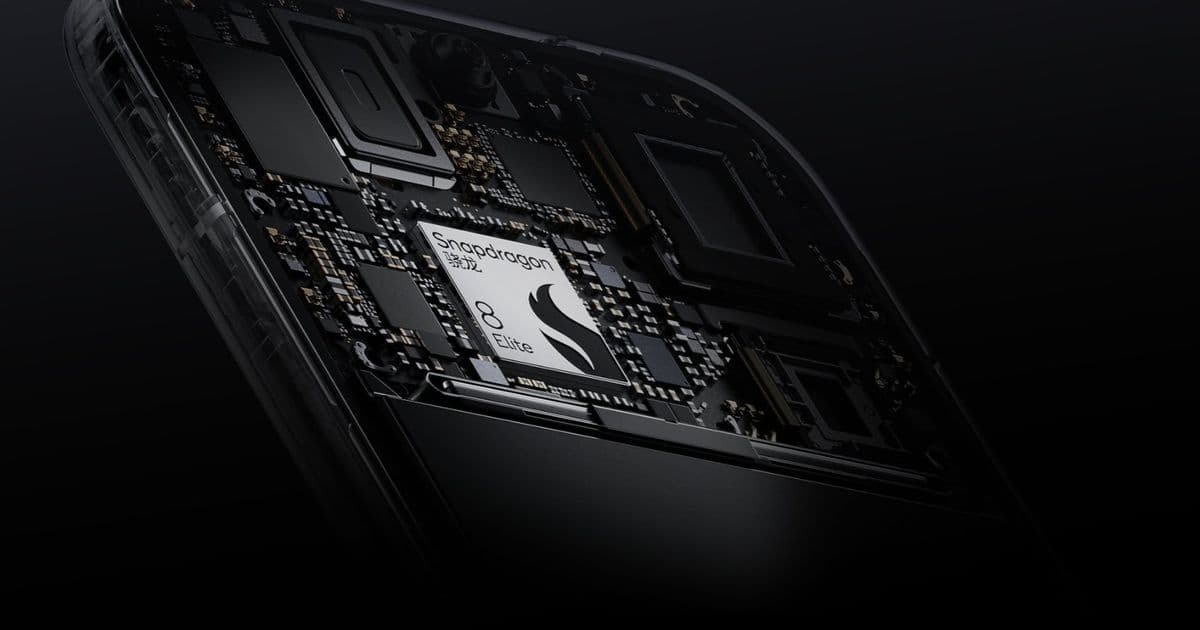
Qualcomm reportedly preparing Snapdragon 8 Elite Gen 6 and 8 Elite Gen 6 Pro for September launch, with Pro model getting exclusive LPDDR6 RAM and full-power GPU
Qualcomm is reportedly preparing to segment its flagship mobile platform lineup this year with the introduction of two distinct Snapdragon 8 Elite variants, according to multiple Chinese leakers. The move comes as component costs continue to rise, forcing the chipmaker to differentiate its offerings more aggressively than in previous years.
September Launch Window Confirmed
Digital Chat Station, a prominent Weibo leaker with a strong track record on mobile hardware, claims that Qualcomm will announce its next-generation flagship chipsets in September 2025. This timing aligns with Qualcomm's recent launch patterns, following the Snapdragon 8 Gen 5 and Snapdragon 8 Elite Gen 5 introductions from the previous September.
The leaker specifically mentions two chipsets in development: the SM8950 and SM8975, which are expected to become the Snapdragon 8 Elite Gen 6 and Snapdragon 8 Elite Gen 6 Pro respectively. This dual-tier approach marks a significant shift from Qualcomm's traditional single-flagship strategy.
Pro Variant Gets Premium Treatment
According to the leak, the Snapdragon 8 Elite Gen 6 Pro will be positioned as the premium offering with several exclusive features:
- LPDDR6 RAM support: The Pro variant will be the only model to support the next-generation LPDDR6 memory standard, offering potentially higher bandwidth and improved power efficiency compared to LPDDR5x
- Maxed-out cache: Enhanced cache configurations for improved performance and reduced latency
- Full-power GPU: The Pro model will feature the complete GPU implementation, while the standard variant may have a slightly reduced graphics configuration
These specifications suggest Qualcomm is creating a clear performance hierarchy between the two models, similar to how desktop CPU manufacturers differentiate their product lines.
Xiaomi 18 Series Implications
Interestingly, the leak indicates that Xiaomi's upcoming 18 series smartphones will showcase both Snapdragon 8 Elite variants. However, there's a notable distinction in the lineup:
- The standard Xiaomi 18 model is expected to use the regular Snapdragon 8 Elite Gen 6
- The Pro or Ultra variant of the Xiaomi 18 will likely feature the Snapdragon 8 Elite Gen 6 Pro
This tiered approach allows Xiaomi to differentiate its flagship models while maintaining brand consistency across the 18 series.
Market Context and Competition
The timing of this leak is particularly interesting given the current smartphone market dynamics. With component costs rising and the premium smartphone segment becoming increasingly competitive, Qualcomm's dual-tier strategy could help manufacturers better address different market segments without completely redesigning their product lines.
This approach also mirrors strategies employed by other semiconductor companies, where premium variants offer additional features to justify higher price points. For consumers, this could mean more options but also potential confusion about which model best suits their needs.
What to Expect Next
As we approach the September launch window, more details about both Snapdragon 8 Elite variants are likely to emerge. Key areas to watch include:
- Official core configurations and clock speeds
- Manufacturing process details (expected to remain on 3nm or similar advanced node)
- AI processing capabilities and NPU specifications
- Modem and connectivity features
- Power efficiency improvements
The introduction of LPDDR6 support on the Pro variant is particularly noteworthy, as it suggests Qualcomm is pushing memory technology forward to maintain performance leadership in the mobile space.
For now, the smartphone industry will be watching closely to see how this dual-tier strategy plays out and whether other chipmakers follow suit with similar segmentation approaches for their flagship platforms.
Comments
Please log in or register to join the discussion