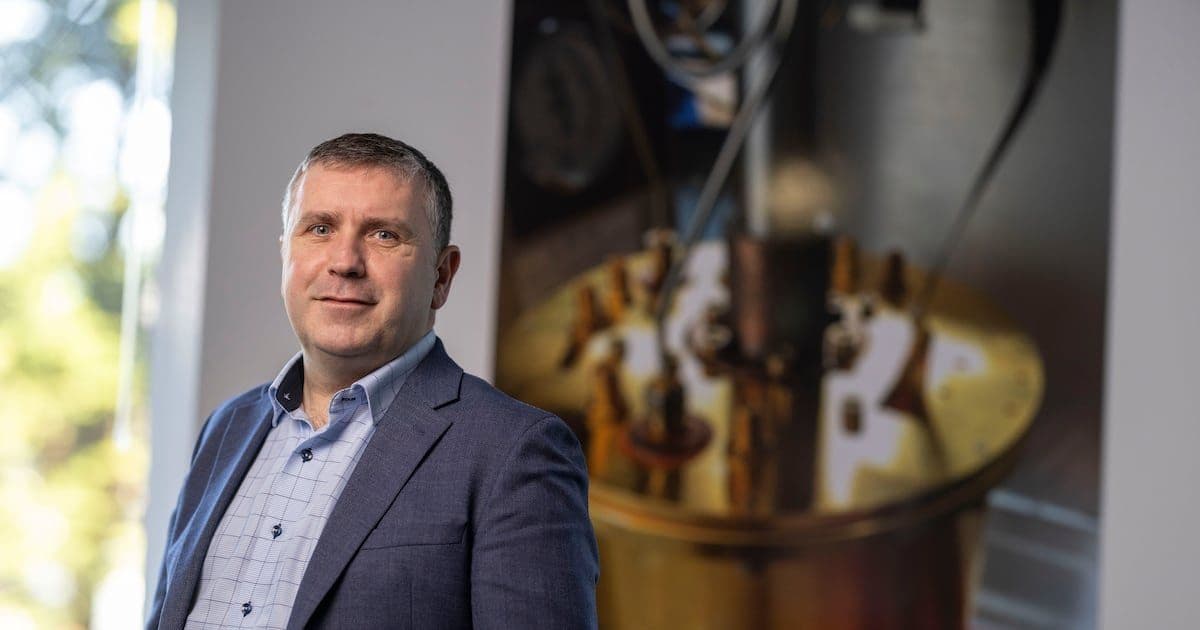
Equal1's $60M quantum computing round highlights continued deep tech investment as OpenAI faces talent poaching allegations and Google settles child data violations, signaling industry tensions between rapid advancement and ethical accountability.
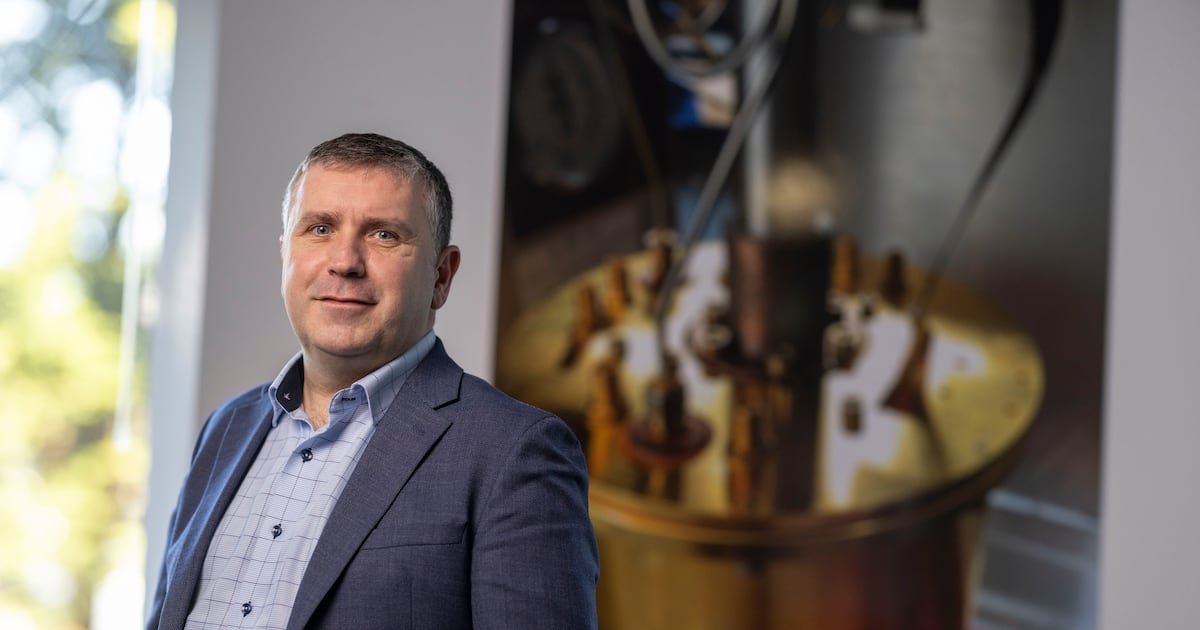
The technology sector continues its dual trajectory of massive capital deployment into frontier technologies while grappling with escalating ethical controversies. This week saw Dublin-based quantum computing firm Equal1 secure $60M to deploy its quantum servers in data centers, bringing total funding to $85M. The University College Dublin spinout claims its technology enables quantum computation at higher temperatures than conventional systems, potentially accelerating practical applications.
Meanwhile, OpenAI faces serious allegations after poaching talent from Thinking Machines Lab. Sources report that former Thinking Machines CTO Barret Zoph allegedly shared confidential information with competitors before returning to OpenAI, intensifying scrutiny over talent wars in the AI sector. This follows OpenAI's recruitment of two Thinking Machines co-founders, highlighting the aggressive competition for specialized AI researchers.
Google agreed to pay $8.25 million to settle a class-action lawsuit alleging its AdMob SDK illegally collected data from children under 13. The settlement underscores growing regulatory pressure on tech giants' data practices, particularly concerning vulnerable demographics.
Infrastructure investments reached unprecedented scales with TSMC projecting $52-56B in 2026 capital spending – a 25%+ increase from 2025 – as demand for AI chips continues to surge. The Taiwanese semiconductor giant reported record quarterly profits of $16 billion, while ASML achieved a $500B+ market capitalization, becoming only the third European company to reach this milestone.
In strategic partnerships, Apple secured a multi-billion dollar cloud contract with Google Gemini after OpenAI reportedly declined to become Apple's custom model provider. Simultaneously, Wikimedia Enterprise expanded its membership to include Microsoft, Meta, Amazon, Perplexity and Mistral, offering tuned API access to Wikipedia's knowledge base.
AI video generation startup Higgsfield raised $80M at a $1.3B+ valuation, claiming $200M annualized revenue, while brain-computer interface company Merge Labs (co-founded by Sam Altman) secured $252M in seed funding. These investments demonstrate sustained VC appetite for generative AI applications despite growing concerns about deepfake misuse.
X (formerly Twitter) faces legal action after Elon Musk's baby mama Ashley St. Clair sued xAI, alleging Grok refused to stop generating sexualized deepfakes of her. The platform subsequently updated Grok to prevent editing images of real people in revealing clothing and implemented geoblocking where such content is illegal.
As quantum computing advances with Equal1's data center deployment and AI infrastructure scales exponentially through TSMC's expansion, the industry's ethical frameworks appear increasingly strained. The tension between rapid technological progress and responsible implementation continues to define this investment cycle, with billions flowing into hardware breakthroughs while legal and moral guardrails struggle to keep pace.
Relevant links:
Comments
Please log in or register to join the discussion