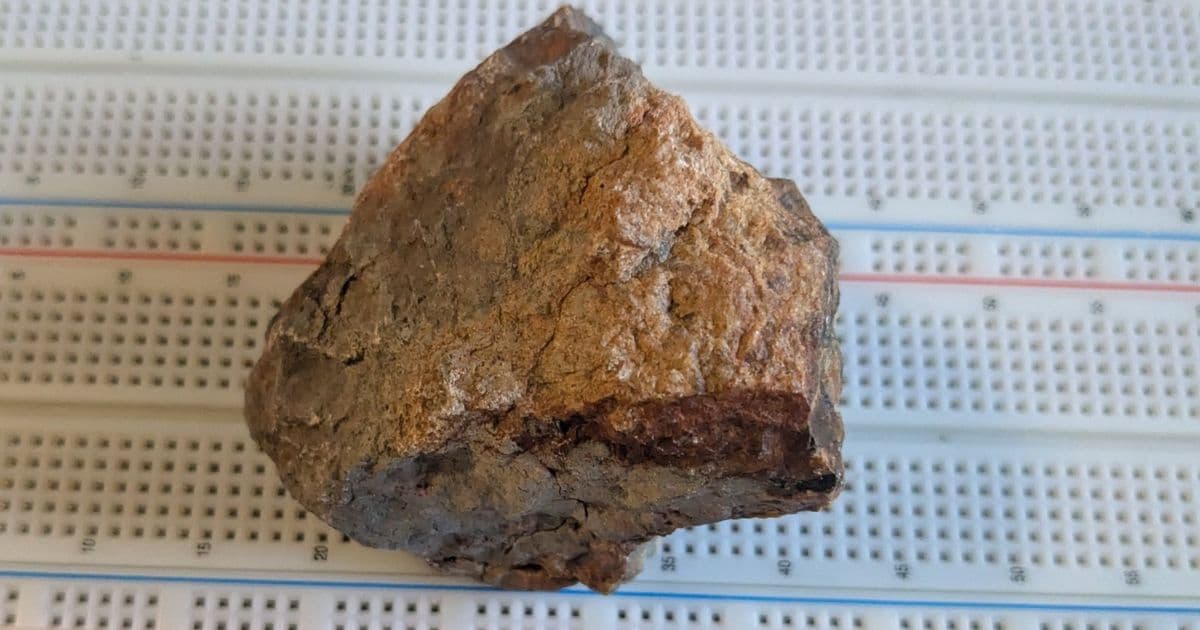
A rock collector documents surface finds with detectable uranium traces, comparing radiation levels using consumer-grade equipment and contextualizing safety concerns.
Radioactive Rocks: Field Measurements with a Radiacode 102
During a routine mineral collection trip, I encountered igneous specimens exhibiting unusual radiation signatures. Using the Radiacode 102—a popular gamma spectrometer among amateur geologists—I documented four surface finds with measurable radioactivity:
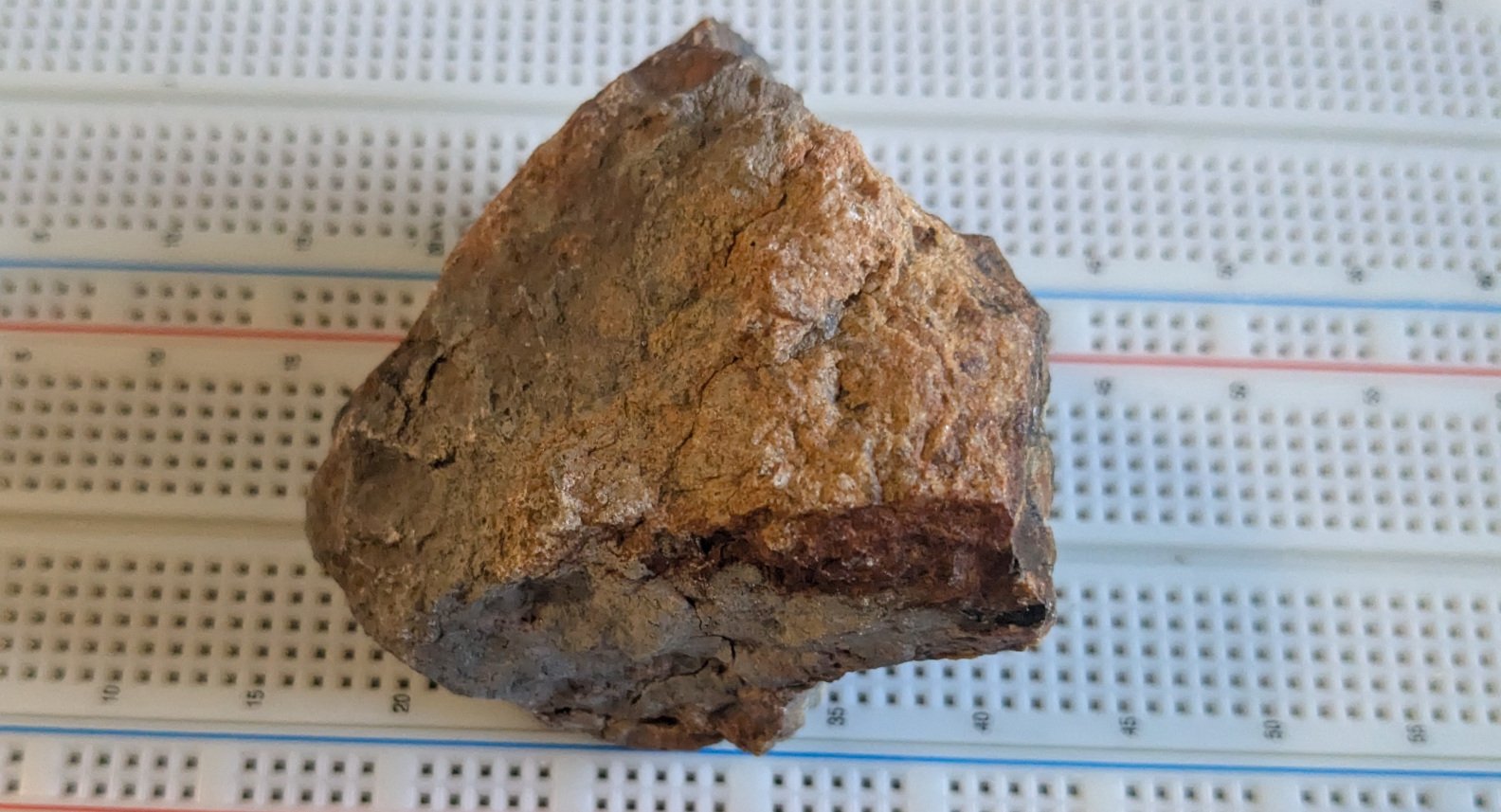 Specimen 1: Approximately 5 CPS above background
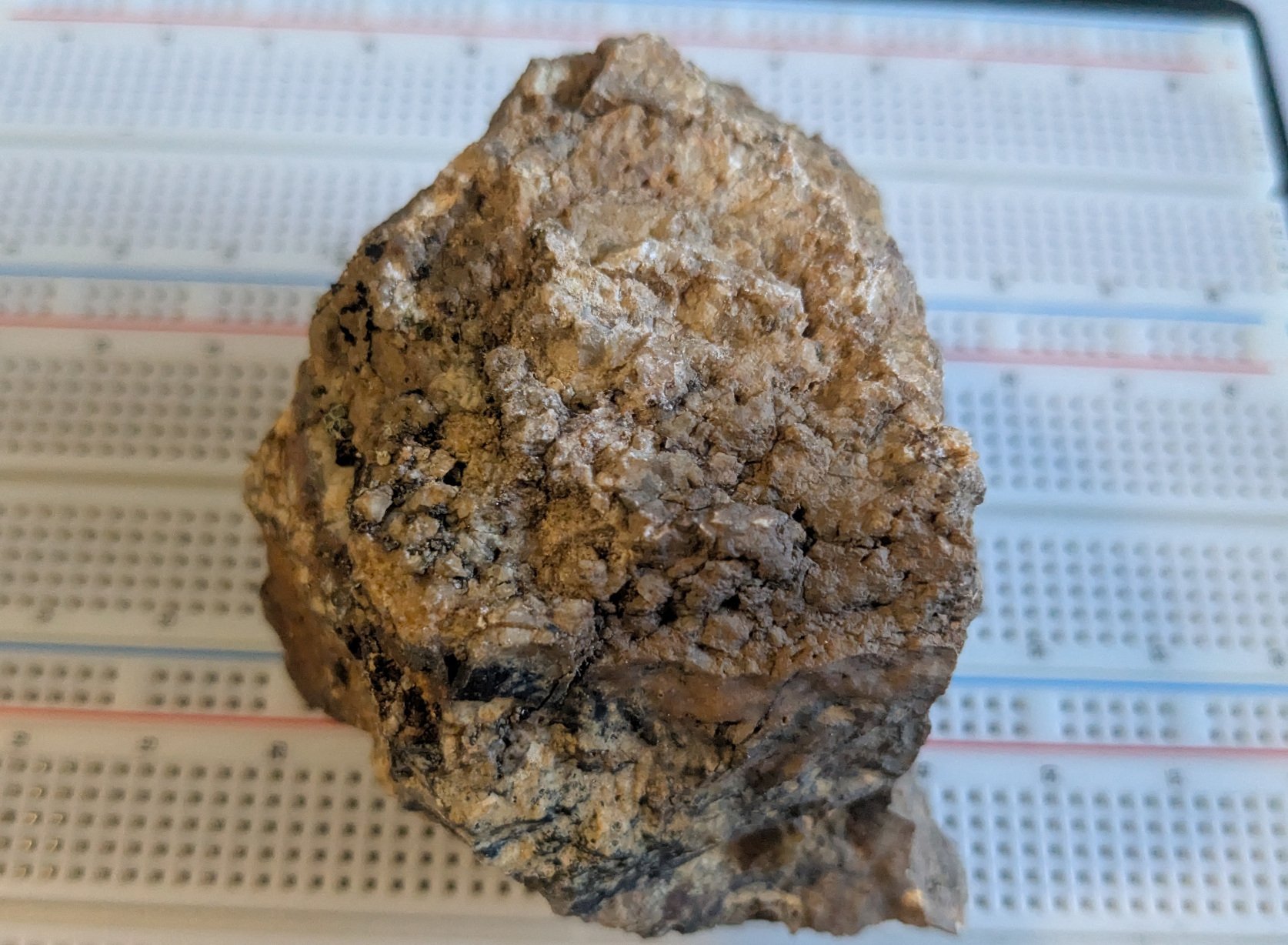 Specimen 2: Approximately 13 CPS above background
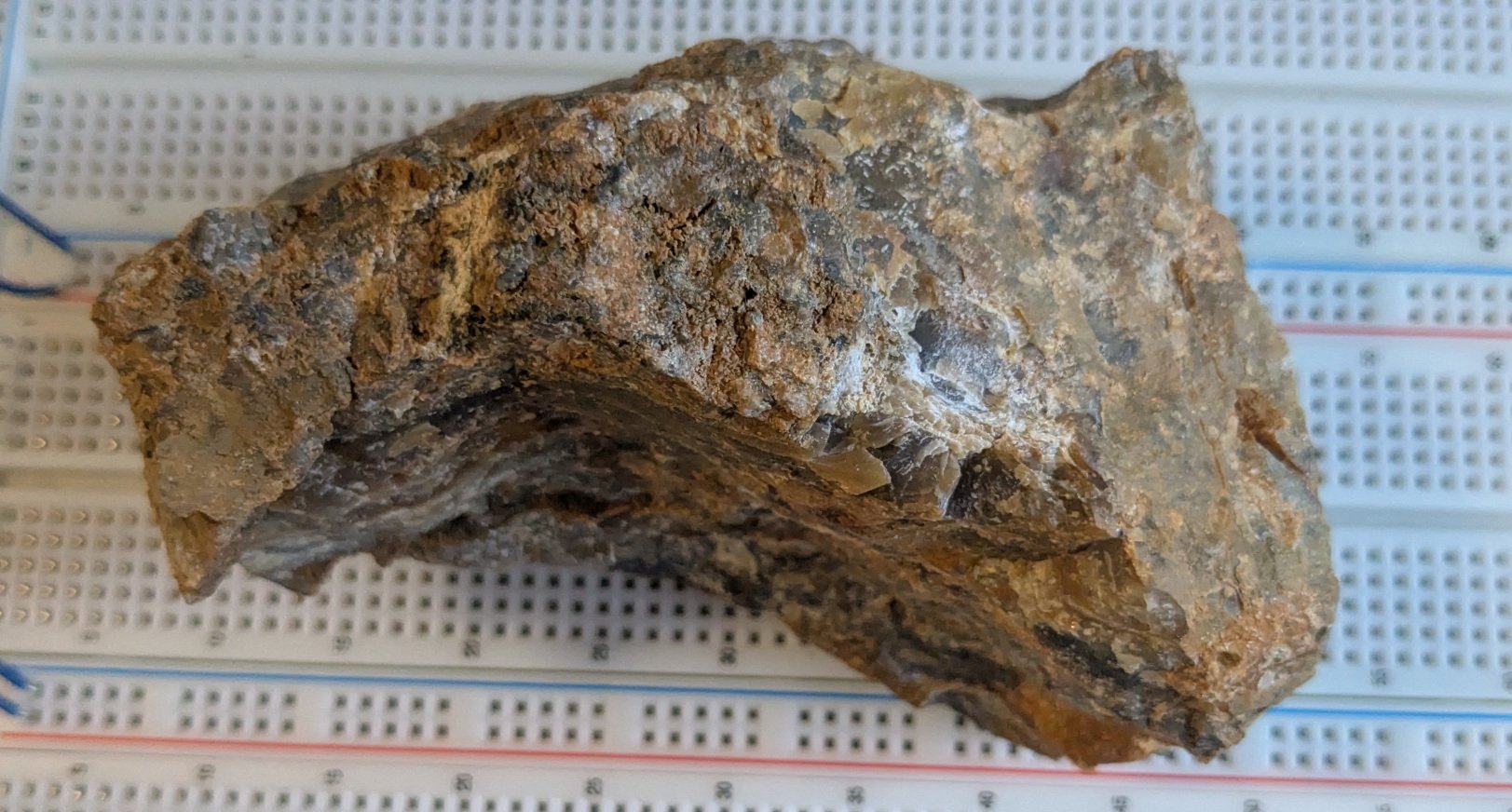 Specimen 3: Approximately 20 CPS above background
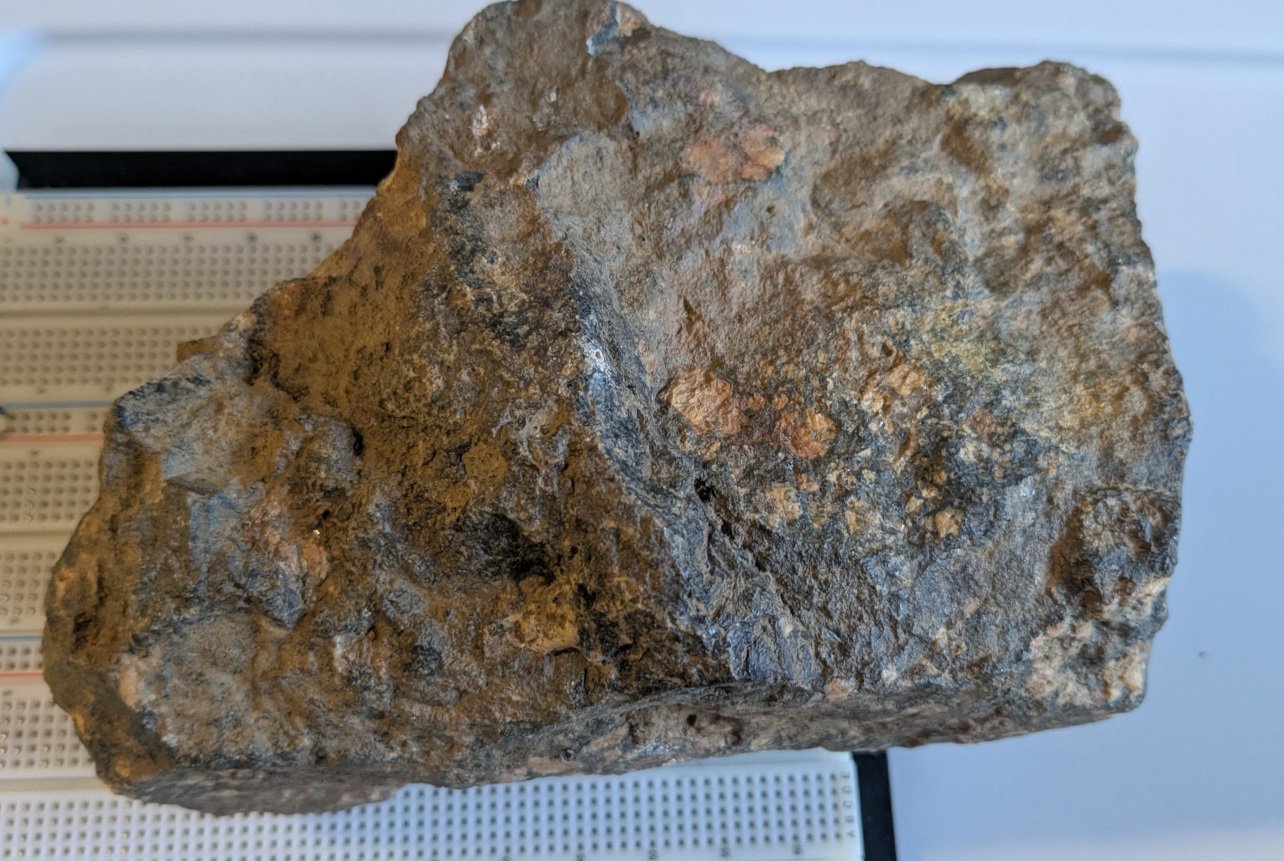 Specimen 4: Approximately 40 CPS above background
Measurement Methodology
All readings represent counts per second (CPS) increases over local background radiation (typically 30-50 CPS), measured with the Radiacode 102 detector directly contacting rock surfaces. Gamma spectroscopy confirmed uranium decay chains as the source, likely from trace minerals within these igneous formations.
Radiation Context
While these readings initially seem significant, they're comparable to everyday exposures:
- Bananas: ~15 CPS (from potassium-40)
- Granite countertops: Up to 100+ CPS
- Uranium-glazed ceramics: Often exceed 500 CPS
The highest specimen (40 CPS) emits less radiation than a single dental X-ray (≈100 μSv) received over 30 days of continuous exposure.
Safety Analysis
Physical vs. Radiological Risks
- Primary hazard: Physical injury from weight/density (e.g., foot injuries)
- Secondary concern: Silicate dust inhalation if pulverized (greater than radiological risk)
- No significant contamination risk due to stable mineral matrix
Field Limitations
These surface finds suggest stronger signals may exist subsurface. Without excavation tools, I couldn't test deeper deposits where detectors can identify targets up to 30cm underground.
Geological Perspective
Uranium-bearing igneous rocks like these form through magmatic differentiation. Their radiation remains contained because:
- Crystal structures trap uranium atoms
- Low solubility prevents leaching
- Dense matrices resist weathering
Compare this to flaky uranium micas like autunite, where physical disintegration increases exposure risks.
Practical Implications
For collectors:
- No special precautions needed beyond basic handling safety
- Avoid grinding/crushing without respiratory protection
- Monitor collections with simple detectors if concerned
These finds demonstrate how radiation detection democratizes geology—a $150 device like the Radiacode 102 enables precise field measurements previously requiring lab equipment.
Comments
Please log in or register to join the discussion