The latest Raspberry Pi Imager update introduces a watchdog system to detect stalled writes, improves handling of large files, and adds several performance and compatibility fixes to make the image creation process more reliable.
The Raspberry Pi Imager has long been the go-to tool for flashing operating systems onto SD cards for Raspberry Pi projects. While it's generally reliable, the process of writing a multi-gigabyte image to a microSD card can be nerve-wracking. A single hiccup—a slow card, a USB controller issue, or a transient error—can leave you with a corrupted card and a frustrating restart. The Raspberry Pi Foundation has been listening to user feedback, and with the release of version 2.0.4, they've implemented a suite of changes specifically designed to make this process more robust and user-friendly.
The most significant update is the introduction of a WriteProgressWatchdog. This new background process actively monitors the image writing operation. If the write process stalls—meaning data isn't being written to the card for a period of time—the watchdog can detect this anomaly. This is a crucial improvement because it moves beyond simple error reporting; it actively identifies a common point of failure that previously might have been mistaken for a slow but ongoing process. The watchdog works in tandem with a new five-minute timeout for stalled writes. If a write operation is completely stuck for five minutes, the Imager will now automatically terminate the process and alert the user, preventing the application from hanging indefinitely and allowing you to safely retry.
Beyond the watchdog, version 2.0.4 significantly improves handling of larger files and slower storage media. The Imager now includes support for parsing .gz files to extract uncompressed size information, which is essential for accurate progress reporting when working with compressed images. It also has better support for images larger than 4GB, a common scenario as Raspberry Pi OS and other distributions grow in size. Furthermore, the application now intelligently manages asynchronous I/O operations. When it detects slow or low-quality SD cards, it will throttle or disable async I/O to prevent freezes and data corruption, a pragmatic adjustment that prioritizes reliability over raw speed for problematic hardware.
The update isn't solely focused on write reliability. It also includes a broad range of performance enhancements, bug fixes, and platform-specific tweaks. For developers and power users, the patch notes reveal deeper technical improvements. The application now captures SHA256 hash values in performance profiles for verification diagnostics, adding a layer of integrity checking. Thread safety for download cancellation has been improved, reducing the chance of crashes when canceling a download in progress. On Linux, the Imager now uses XDG-compliant audio notifications (canberra-gtk-play and PipeWire), fixing audio beep issues on Raspberry Pi OS, which no longer ships with PulseAudio control by default.
Accessibility has also been a focus. The confirmation dialog timer is now bypassed when a screen reader is active, making the application more usable for visually impaired users. For the build system itself, the Qt build scripts have been refactored for better POSIX compliance and consistency, and macOS-specific optimizations have been added for universal builds, ensuring a smoother experience for developers on Apple silicon.
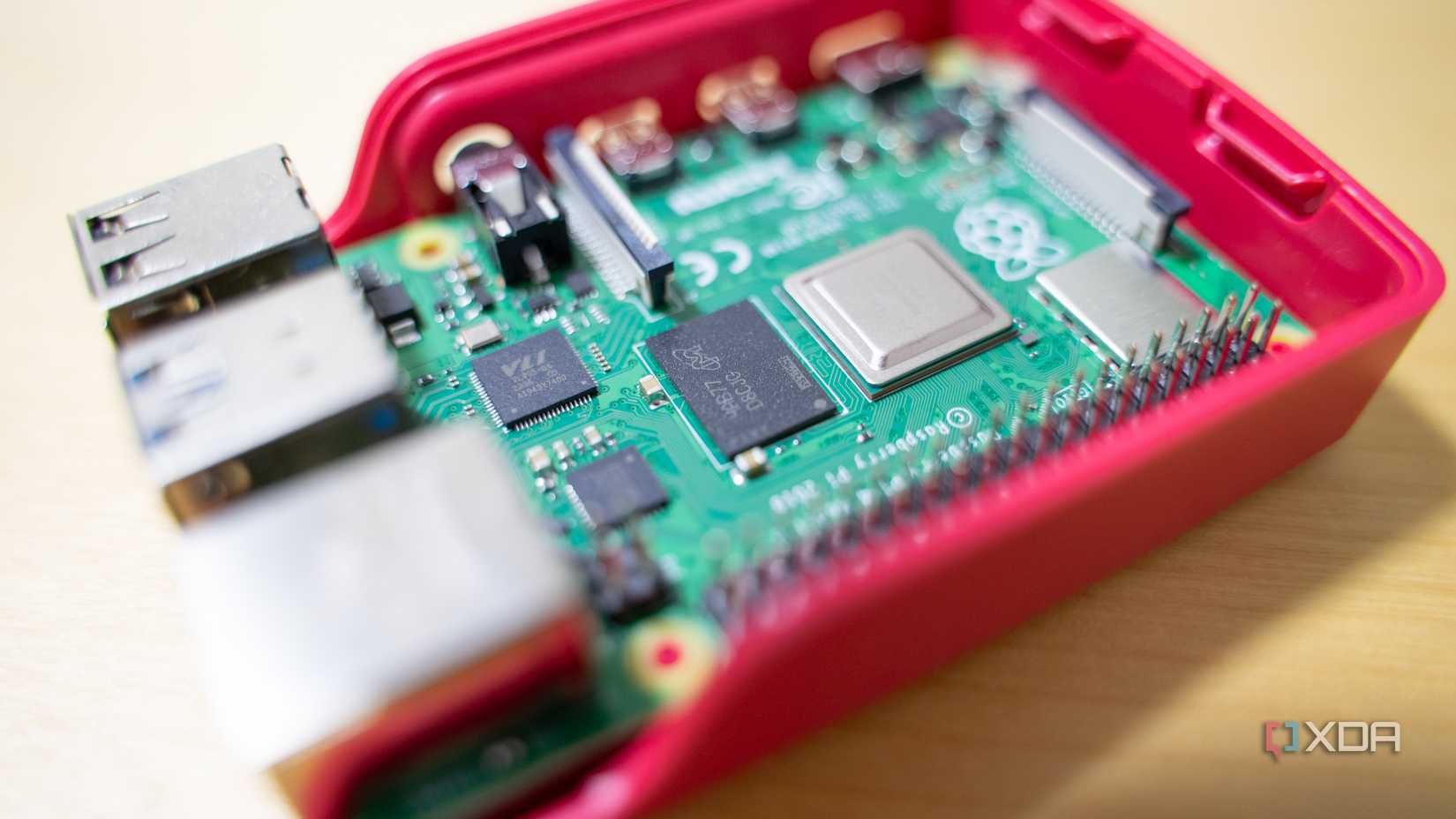
For developers maintaining applications or services on Raspberry Pi, a reliable flashing process is a foundational step. A corrupted SD card can mean hours of lost work, especially for headless setups where physical access is limited. These reliability improvements from the Raspberry Pi Foundation directly address that pain point, reducing the risk of failed deployments and making the initial setup of a new Pi more predictable.
You can download the latest version of Raspberry Pi Imager from its official GitHub repository. The full list of changes, including the detailed patch notes for performance, bug fixes, and build improvements, is available in the release notes. This update is a clear example of the Foundation's ongoing commitment to refining the user experience, ensuring that the first step of any Raspberry Pi project is as smooth and dependable as possible.
Comments
Please log in or register to join the discussion