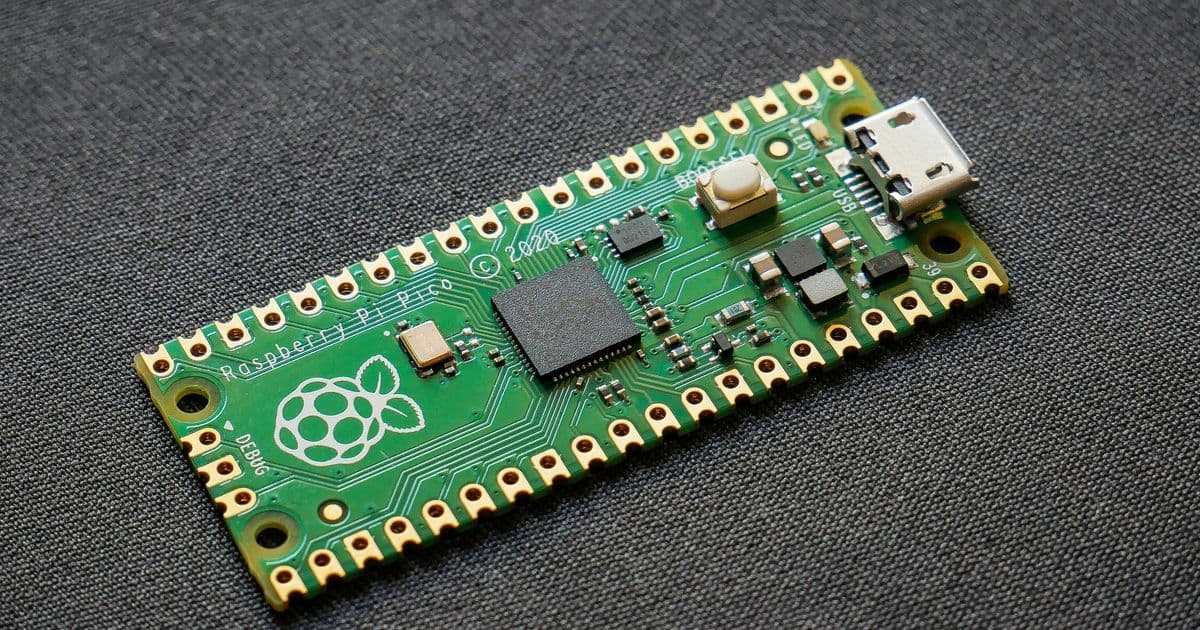
The new RP2350 microcontroller from Raspberry Pi can be overclocked from 150MHz to over 800MHz, achieving a 5x performance increase that rivals desktop CPU overclocks.
The Raspberry Pi Foundation has long been known for democratizing computing through its affordable single-board computers and microcontrollers. Their latest microcontroller, the RP2350, represents a significant leap forward in performance potential, particularly when it comes to overclocking capabilities that would make desktop PC enthusiasts envious.
What's New
The RP2350, a successor to the popular RP2040, comes with an official clock speed of just 150MHz. This modest specification reflects its intended purpose as a microcontroller for controlling sensors and actuators rather than running full desktop operating systems or applications. However, recent testing has revealed that this tiny processor harbors hidden performance potential that far exceeds its humble specifications.
According to reports from Liliputing, the RP2350 can be pushed to extraordinary clock speeds without requiring elaborate cooling solutions typically associated with extreme desktop CPU overclocking. At its stock configuration, the chip operates at 150MHz, but enthusiasts have discovered that it can safely reach over 500MHz with no additional cooling whatsoever.
How It Compares
The overclocking headroom on this microcontroller is nothing short of remarkable when compared to desktop processors. While modern AMD and Intel CPUs might achieve modest overclocks of 10-20% above their base frequencies, the RP2350 offers a staggering 233% increase over its stock speed.
The real magic happens when additional cooling and voltage adjustments are applied. With enhanced cooling and the voltage increased to 1.9V, the processor can exceed 600MHz. But the most impressive achievement comes when the voltage is pushed to 3.05V - a level that would be dangerous for most desktop processors - allowing the RP2350 to surpass 800MHz.
This represents an overclock factor of more than 5x the original clock speed, a feat that would be virtually impossible on desktop CPUs without extreme cooling solutions like liquid nitrogen. The fact that such performance gains are achievable on a microcontroller designed for embedded applications is truly remarkable.
Who It's For
While these extreme overclocks are technically impressive, they raise important questions about practical applications. The RP2350 was designed for specific use cases involving sensor control and actuator management, not for general-purpose computing tasks. Running the processor at such extreme speeds for extended periods could lead to increased wear and potentially shortened lifespan, particularly if adequate cooling isn't implemented.
For hobbyists and developers working on projects that require bursts of additional processing power, these overclocking capabilities could prove valuable. Applications that involve complex sensor data processing, real-time signal analysis, or demanding control algorithms might benefit from the additional headroom.
However, the trade-offs must be carefully considered. Higher core temperatures resulting from extreme overclocks could compromise reliability, and the increased power consumption at higher voltages may not be suitable for battery-powered applications where the RP2350 is commonly deployed.
Technical Context
The RP2350's impressive overclocking potential likely stems from its relatively simple architecture compared to modern desktop processors. Without the complex power management features, multiple cores, and sophisticated cache hierarchies found in desktop CPUs, the microcontroller may have more thermal headroom for frequency scaling.
Additionally, the manufacturing process and design optimizations specific to microcontroller applications may contribute to its stability at higher frequencies. The chip's intended operating environment - often in embedded systems with limited cooling - may have influenced its design to be more tolerant of thermal stress than desktop processors.
Looking Forward
These findings open up interesting possibilities for the maker community and embedded systems developers. The ability to extract significantly more performance from the RP2350 could enable more sophisticated projects without requiring more expensive hardware.
However, as with any overclocking endeavor, stability testing and careful monitoring would be essential. The extreme voltage levels required for the highest overclocks (3.05V) particularly warrant caution, as they approach the limits of what the silicon can safely handle.
For those interested in exploring these capabilities, the source reports from Y Combinator provide additional technical details and community discussions about implementation approaches and real-world testing results.
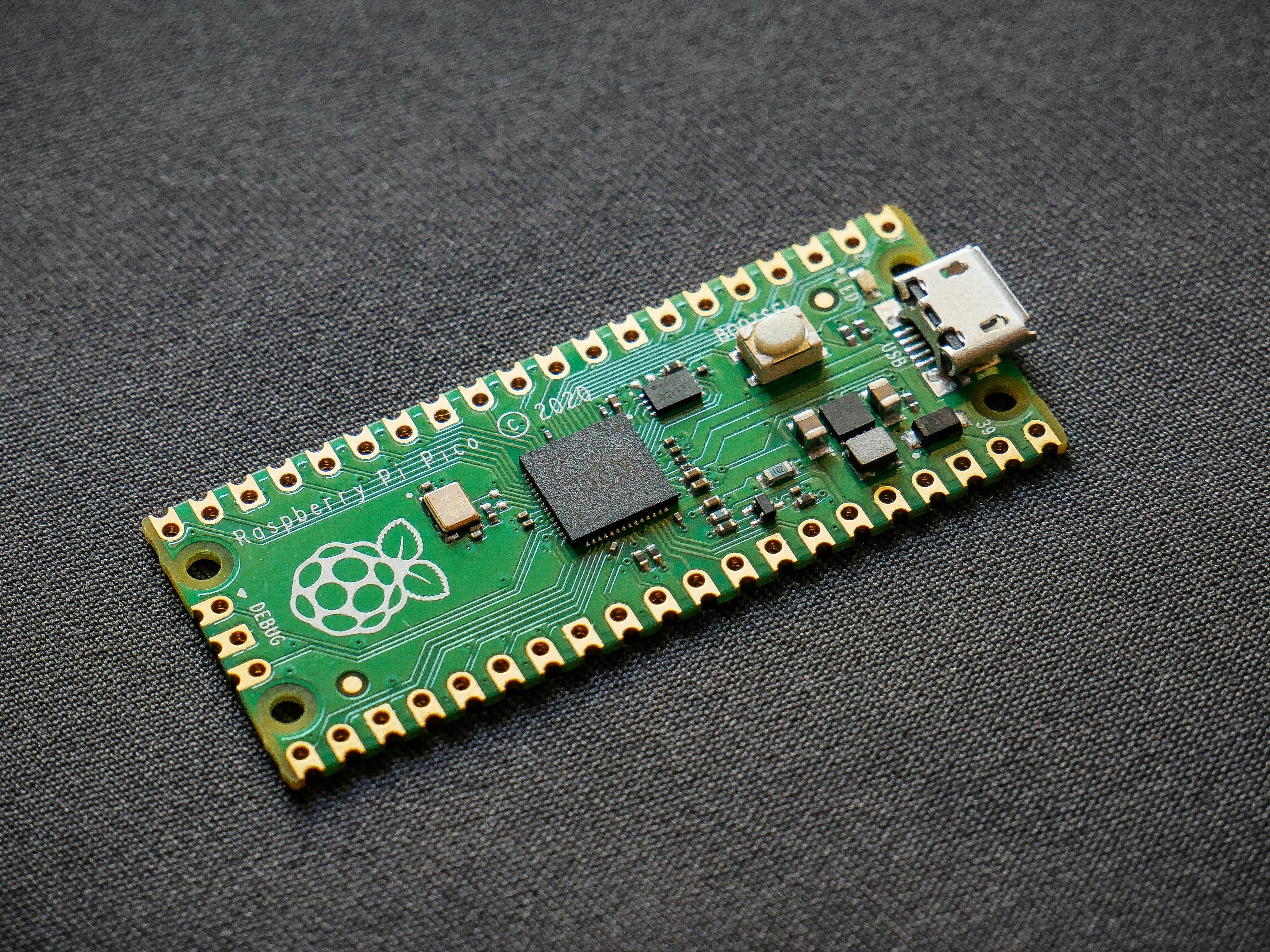
The Raspberry Pi ecosystem continues to evolve, with each new iteration bringing unexpected capabilities that challenge our assumptions about what's possible with affordable, accessible computing hardware. The RP2350's overclocking potential represents yet another example of how innovation in the embedded space can sometimes outpace even the most advanced desktop computing technologies.
Comments
Please log in or register to join the discussion