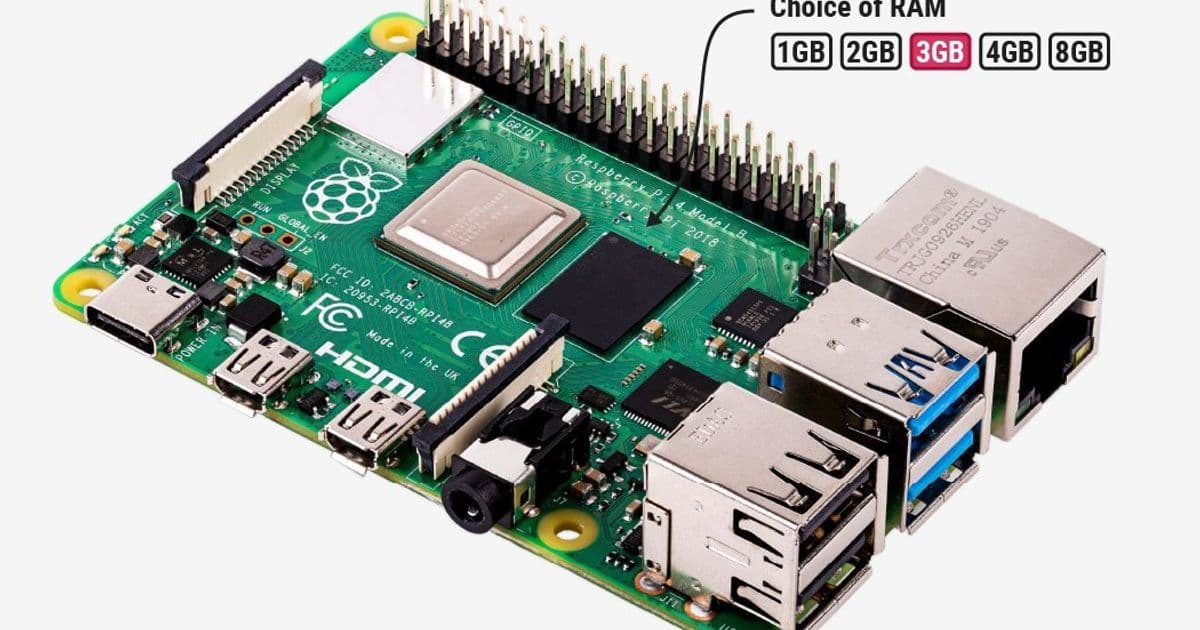
Facing global RAM shortages, Raspberry Pi introduces a 3GB Raspberry Pi 4 at $84 while raising prices across higher-end models, with the 16GB Raspberry Pi 5 jumping 154% to $305.
The global RAM shortage has hit Raspberry Pi hard, forcing the company to implement significant price increases across its product lineup while introducing a new 3GB Raspberry Pi 4 model at $83.75 to bridge the gap between the 2GB and 4GB versions.
The New 3GB Middle Ground
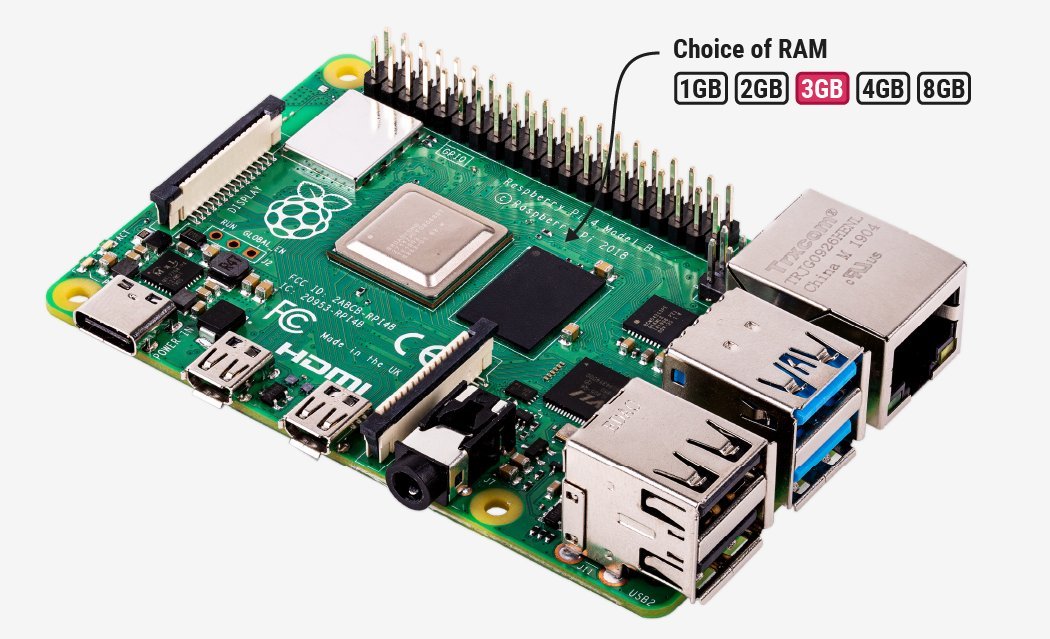
The newly announced 3GB Raspberry Pi 4 represents Raspberry Pi's strategic response to customers caught between the affordable 2GB model and the pricier 4GB version. Priced at $83.75, this model costs more than the 8GB version did at launch ($75 in 2020), but that was before the current RAM crisis. The 3GB model fills a crucial price point for users who need more than 2GB of RAM but aren't willing to pay for 4GB or more.
Across-the-Board Price Increases
Raspberry Pi has implemented multiple price hikes in recent months, with the latest round affecting nearly all models with more than 2GB of RAM:
Raspberry Pi 4 Models:
- 3GB: $83.75 (new)
- 4GB: $100 (up from $75)
- 8GB: $165 (up from $115)
Raspberry Pi 5 Models:
- 4GB: $110 (up from $85)
- 8GB: $175 (up from $125)
- 16GB: $305 (up from $205)
The 16GB Raspberry Pi 5 has seen the most dramatic increase, jumping 154% from its launch price of $120 to the current $305. This represents a particularly painful price hike for users who purchased the high-end model when it was more affordable.
Models That Escaped the Price Hikes
Not all Raspberry Pi products are affected by the increases. The company has kept prices stable on several popular models:
- Raspberry Pi 4 and 5 with 2GB of RAM or less
- Raspberry Pi 400 with 4GB
- Raspberry Pi Zero and Zero 2 models
Market Context and Alternatives
While these price increases are significant for a company built on the "$35 computer" philosophy, the broader PC market is experiencing similar inflationary pressures. Budget mini PCs with Intel N100 processors might seem like alternatives, but they're also facing price increases in the current market.
The Bigger Picture
The RAM shortage affecting Raspberry Pi reflects broader supply chain challenges in the semiconductor industry. For a company that democratized computing through affordable single-board computers, these price increases represent a significant shift in strategy and market positioning. The introduction of the 3GB model suggests Raspberry Pi is trying to maintain accessibility at lower price points while acknowledging that the era of ultra-cheap high-RAM configurations may be over, at least for now.
For developers, educators, and hobbyists who have relied on Raspberry Pi's affordability, these changes mean reassessing project budgets and potentially looking at alternative platforms or accepting higher costs for their computing needs.
Comments
Please log in or register to join the discussion