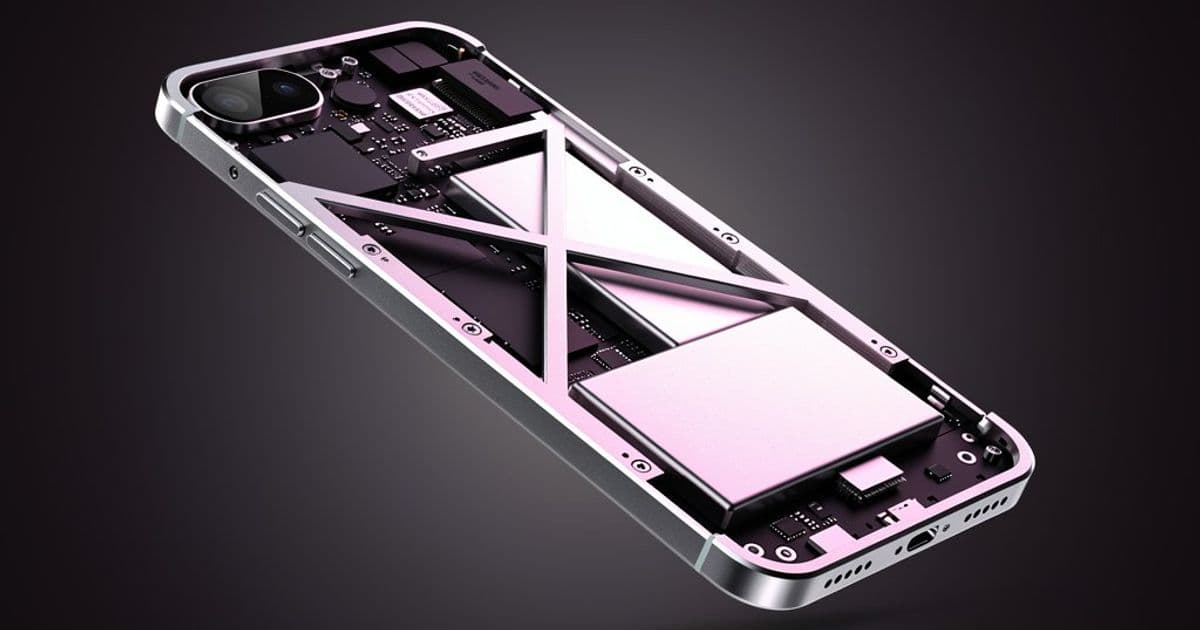
The JerryRigEverything teardown shows how Xiaomi's latest mid-range phone achieves its durability claims, with a solid aluminum frame and a clever internal design that explains its bend test performance.
The Redmi Note 15 Pro+ has been subjected to the full JerryRigEverything durability gauntlet, and the results offer a clear look at what makes Xiaomi's latest mid-range phone so resilient. Zack Nelson's latest video doesn't just test the phone's limits—it disassembles it to reveal the engineering choices that allow it to survive everyday abuse.
The Standard Durability Tests
The testing follows the familiar JerryRigEverything protocol. The screen glass scratches at a level 6 on the Mohs hardness scale, which is standard for modern smartphone glass. This means keys and coins in your pocket won't damage it, but sand and grit will leave marks. The aluminum frame shows scratches at the same level, which is expected for the material.
The flame test reveals a common limitation: the display pixels die permanently when exposed to direct flame for about 15 seconds. This is typical for OLED panels, though the phone's plastic mid-frame helps dissipate heat better than some metal alternatives.
Most importantly, the fingerprint scanner remains fully functional even after scratching the glass directly above it. This suggests Xiaomi is using a high-quality ultrasonic or optical sensor that isn't overly sensitive to surface imperfections.
The Bend Test Success
The Redmi Note 15 Pro+ passes the bend test with flying colors. When pressure is applied to the center of the phone, it doesn't crack or bend permanently. This is where the internal design becomes critical.
The phone's aluminum frame provides structural integrity, but the real secret lies in how the internal components are arranged. The battery, which occupies most of the phone's volume, acts as a structural element itself. In many phones, the battery is simply glued in place, but here it appears to be integrated into the frame's load-bearing path.
What the Teardown Reveals
The disassembly video shows several key design choices that contribute to the phone's durability:
1. The Battery Integration The 5,000mAh battery isn't just a power source—it's part of the phone's skeleton. It sits flush against the aluminum frame and is secured with adhesive that distributes stress across a larger area. This prevents the battery from shifting during flex, which could damage connections or the battery itself.
2. The Mid-Frame Design Unlike some phones that use a plastic mid-frame for cost savings, the Redmi Note 15 Pro+ uses aluminum. This provides better rigidity and heat dissipation. The frame wraps around the battery and motherboard, creating a continuous structural loop.
3. Component Placement The motherboard is positioned at the top of the device, away from the main stress points. The camera module, while large, is reinforced with additional metal brackets. This prevents the camera from becoming a weak point during bending.
4. The Back Panel The glass back is secured with a combination of adhesive and mechanical clips. This allows for some flex without cracking, while still providing a premium feel. The adhesive pattern is designed to distribute stress rather than concentrate it at specific points.
Why This Matters for Consumers
For a phone priced at €499.90 for the 512GB/12GB RAM model, this level of durability is significant. Many mid-range phones cut corners on structural integrity to hit price targets. The Redmi Note 15 Pro+ demonstrates that durability doesn't have to be a premium-only feature.
The aluminum frame is particularly noteworthy. Many competitors in this price range use plastic frames that feel less premium and offer less protection. While aluminum can dent, it provides better impact absorption than plastic, which tends to crack rather than deform.
The battery integration is also a practical choice. A phone that survives a bend test is less likely to suffer from internal damage when sat on or pressed in a bag. This translates to longer-term reliability and fewer unexpected failures.
The Trade-offs
No design is perfect. The aluminum frame means the phone is heavier than some plastic alternatives. The integrated battery makes replacement more difficult—this isn't a phone designed for easy DIY repairs. The glass back, while durable, still requires a case for drop protection.
The camera module's size, while reinforced, remains a potential weak point. A direct impact on the camera bump could still damage the lenses or internal components, despite the metal reinforcement.
The Bigger Picture
This durability test highlights a trend in Xiaomi's approach to mid-range phones. Rather than simply offering good specs at low prices, the company is increasingly focusing on build quality. The Redmi Note 15 Pro+ follows the Redmi Note 14 Pro's lead in offering features typically found in more expensive devices.
For consumers, this means you don't have to choose between durability and affordability. The phone's ability to survive the bend test suggests it will handle daily wear and tear better than many competitors. The internal design choices indicate thoughtful engineering rather than just cost-cutting.
The full teardown video is available on the JerryRigEverything YouTube channel. For more details on the phone's specifications and performance, check out GSMArena's comprehensive review.
Comments
Please log in or register to join the discussion