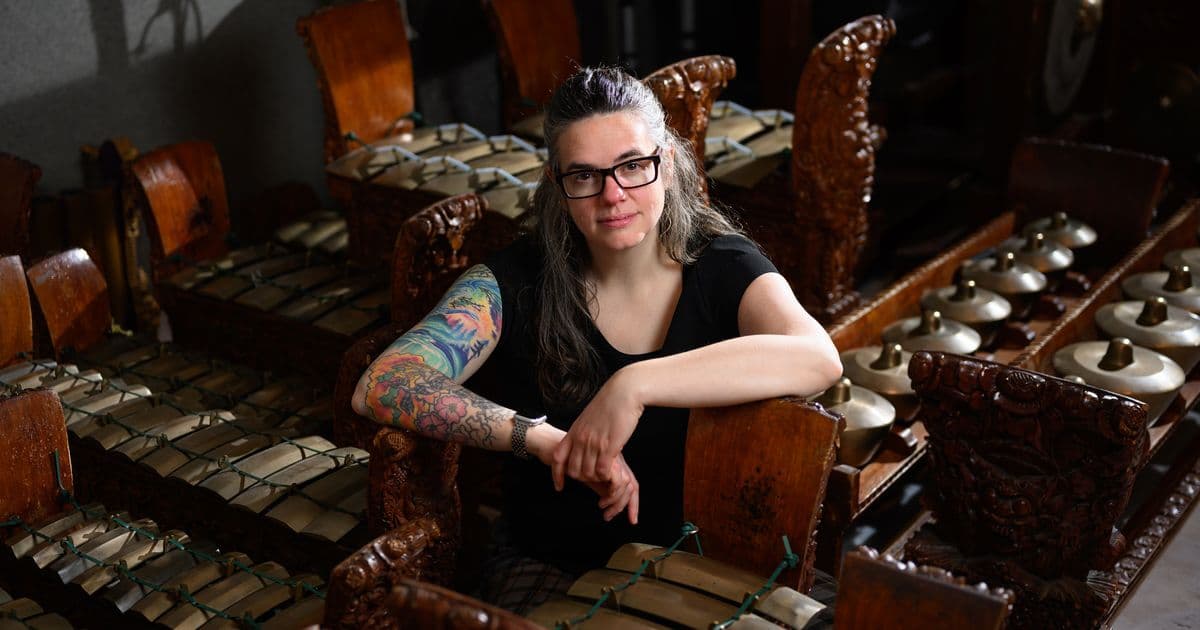
MIT ethnomusicologist Leslie Tilley bridges musical performance and theoretical analysis to uncover how musicians transform existing traditions into new creations, from Balinese drumming to pop cover songs.
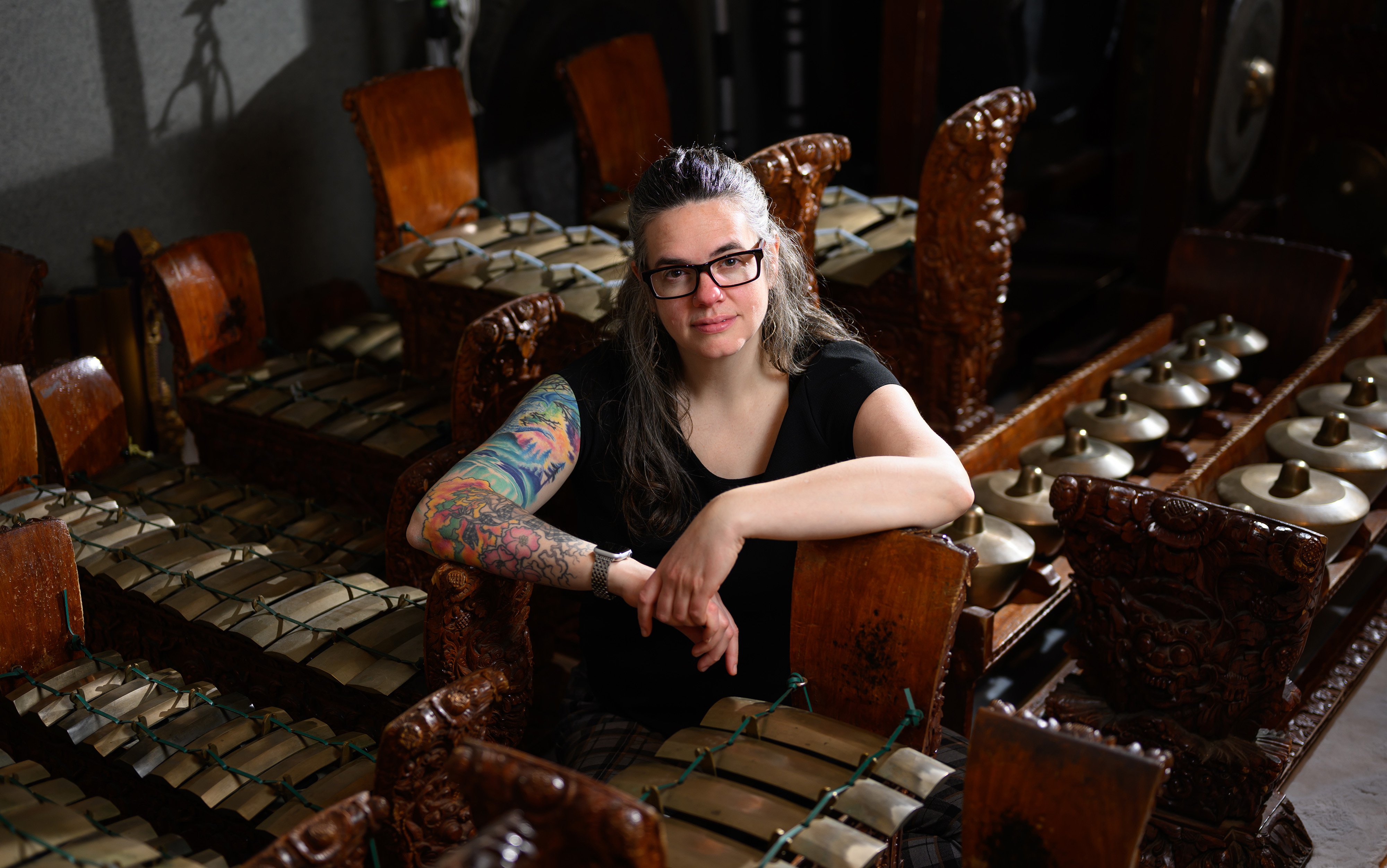
Leslie Tilley operates at the intersection of cultural tradition and formal music theory, examining how musicians transform existing musical frameworks into new creative expressions. As an associate professor in MIT's Music and Theater Arts Program, her work spans Balinese collective improvisation, pop music transformations, and a radical redesign of music theory education.
The Balinese Crucible
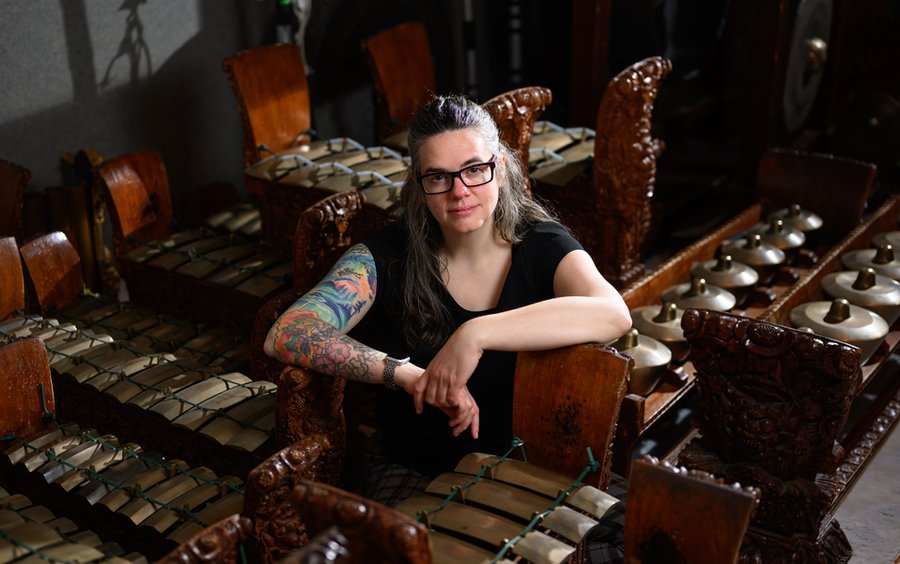 Tilley's foundational research emerged from years studying Balinese drumming traditions during her graduate work. Her immersion in techniques like reyong norot (four-person melodic gong) and kendang arja (two-person drumming) revealed sophisticated improvisational structures. "The higher drum is the bus driver, and the lower drum is the person who puts the bags on top," one Balinese musician explained—a cultural metaphor that Tilley recognized as legitimate music theory encoding practical constraints: The higher drum maintains rhythmic stability to enable the lower drum's improvisational freedom.
This research culminated in her award-winning book, Making It Up Together: The Art of Collective Improvisation in Balinese Music and Beyond (University of Chicago Press, 2019). The work establishes a universal analytical framework for collective improvisation, examining both musical parameters (rhythmic flexibility, harmonic constraints) and performer interaction patterns. Tilley emphasizes that such understanding requires embodied practice: "Looking at music note-by-note from a place of physical embodiment provides better understanding than just analyzing scores."
Reconstructing Music Education
 Tilley now leads a $500,000 Mellon Foundation-funded initiative to overhaul music theory pedagogy. Traditional curricula focus narrowly on European classical traditions (Bach to Beethoven), neglecting global practices and oral traditions. Her project aims to create an open-access, four-semester curriculum with an accompanying audiovisual textbook by 2028.
"If we weren't beholden to existing assumptions," Tilley asks, "what skills would we want students to gain from music theory?" The project includes a major conference convening scholars to redefine core competencies, examining how analytical tools can apply equally to Javanese gamelan, West African drumming, or jazz improvisation.
The Anatomy of Cover Songs
Tilley's newest research analyzes cover songs as cultural-musical transformations. She examines how artists like Tori Amos reinterpret existing works through three dimensions:
- Formal musical changes: Key shifts, harmonic substitutions, rhythmic recontextualization
- Performer identity: How the covering artist's public persona alters song meaning
- Cultural resonance: Listener relationships to original versus reinterpreted versions
Her framework treats covers as case studies in recombinant creativity—similar to Balinese improvisation but incorporating contemporary elements like vocal timbre and production aesthetics. "A pop song isn't just melody and chords," she notes. "The vocal quality, arrangement, and performer's brand are inseparable from the musical content."
The Core Principle
Whether studying gamelan ensembles or Taylor Swift's re-recordings, Tilley's work reveals music as a dynamic negotiation between tradition and innovation. Her dual approach—respecting cultural specificity while developing transferable analytical tools—offers models for understanding creativity across disciplines. "Music is infinitely cool because it's malleable," she observes. "Our work shows how human imagination continually reshapes existing materials into new forms of expression."
Tilley's research is accessible through her MIT faculty profile and her publications including Making It Up Together. The Mellon-funded curriculum project will be available via open access upon completion.
Comments
Please log in or register to join the discussion