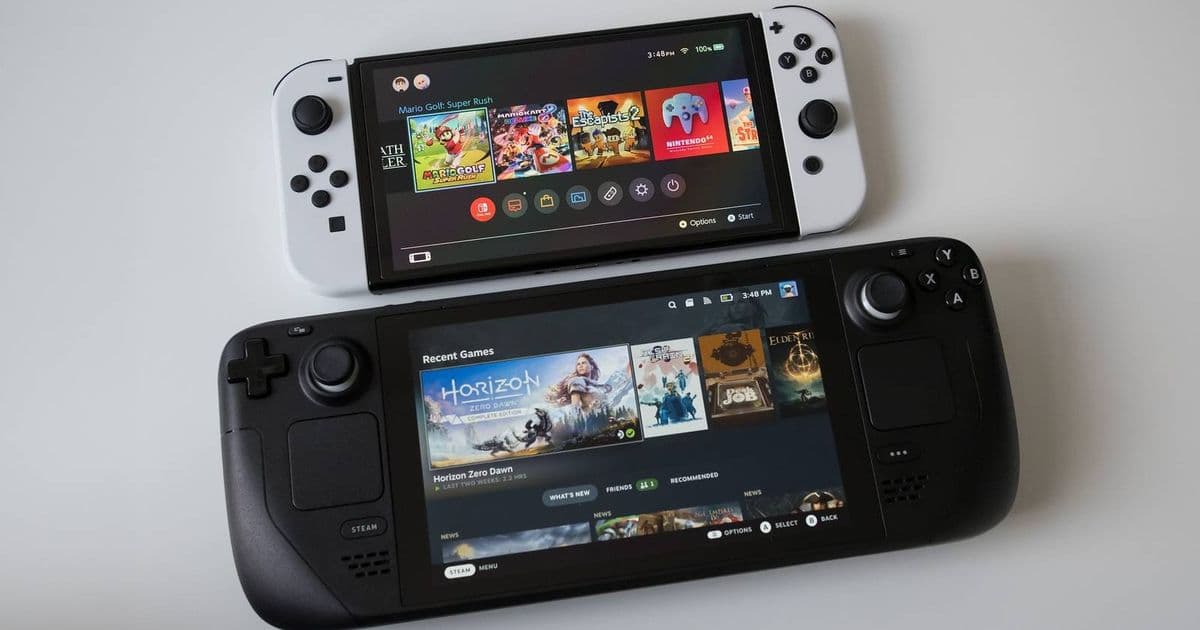
Popular gaming frontend RetroDECK has removed its Nintendo Switch emulator following potential legal threats from Nintendo, highlighting the ongoing tension between emulation communities and console manufacturers.
Popular gaming frontend RetroDECK has removed its Nintendo Switch emulator following potential legal concerns from Nintendo, marking another chapter in the ongoing tension between emulation communities and console manufacturers.
What Happened
RetroDECK, a widely-used frontend for gaming emulators and PC games, has pulled its Nintendo Switch emulator from its platform. The removal comes amid concerns about potential legal action from Nintendo, a company known for aggressively protecting its intellectual property and taking action against unauthorized emulation of its systems.
About RetroDECK
RetroDECK is a user-friendly frontend that allows gamers to organize and launch their retro gaming collections across multiple platforms. It supports various emulators and gaming systems, providing a unified interface for accessing classic games. The platform has gained popularity among gaming enthusiasts for its ease of use and comprehensive support for different gaming systems.
Nintendo's History with Emulation
This isn't the first time Nintendo has taken action against Switch emulation. The company has a long history of pursuing legal action against emulator developers and websites that facilitate unauthorized access to its games. Nintendo argues that emulation infringes on its intellectual property rights and can harm its business interests.
Community Impact
For many users, the removal of the Switch emulator from RetroDECK represents a significant loss. The Switch has become one of the most popular gaming consoles, with a library of exclusive titles that many gamers want to preserve and access through emulation. The decision affects users who relied on RetroDECK as their primary interface for Switch emulation.
Legal Landscape
The situation highlights the complex legal landscape surrounding video game emulation. While emulation itself exists in a legal gray area, the distribution of copyrighted game ROMs and unauthorized emulation of current-generation consoles remains a contentious issue. Companies like Nintendo maintain that even the creation of emulators for their systems violates their intellectual property rights.
What This Means for Gamers
For the gaming community, this development serves as a reminder of the ongoing challenges faced by emulation enthusiasts. It underscores the importance of understanding the legal implications of emulation and the potential risks associated with using emulators for current-generation consoles.
Looking Forward
The removal of the Switch emulator from RetroDECK may signal a broader trend in the emulation community, where developers and platforms may become more cautious about supporting emulators for current-generation consoles. This could impact how gamers access and preserve games from newer systems in the future.
The situation continues to evolve, and it remains to be seen how the emulation community will respond to these challenges and what alternatives may emerge for those interested in Switch emulation.
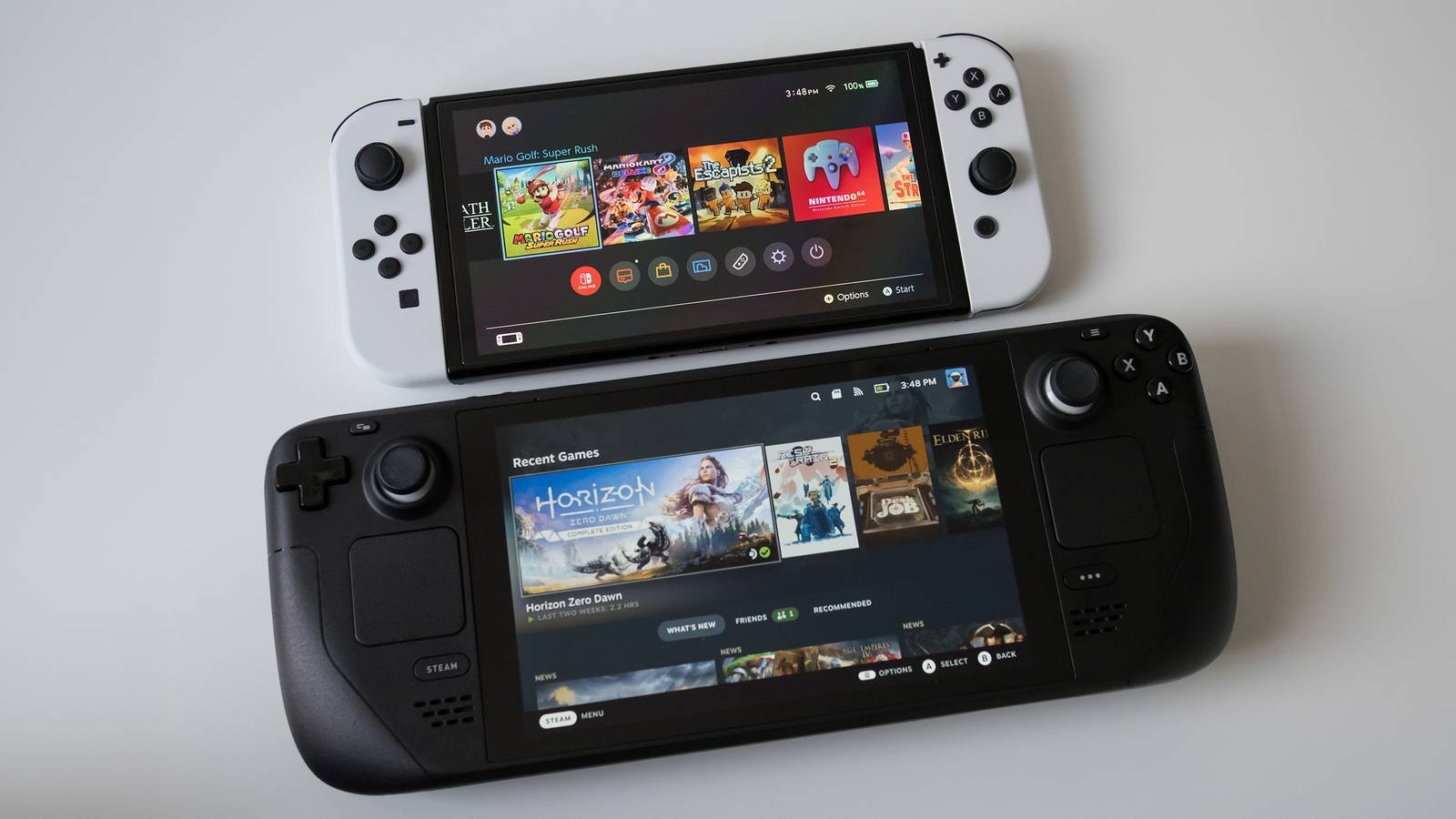
Featured image: The ongoing tension between console manufacturers and emulation communities continues to shape the gaming landscape.
Comments
Please log in or register to join the discussion