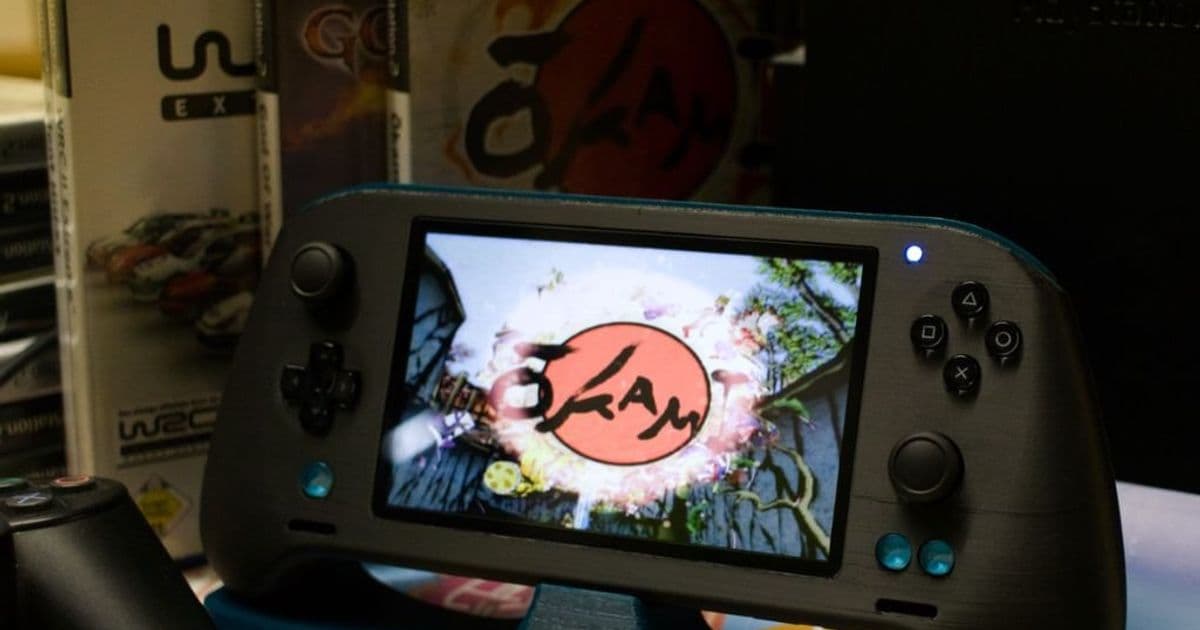
A solo builder creates the ultimate portable PlayStation 2 handheld using custom reverse-engineered hardware inspired by modern gaming devices.
The world of retro gaming portables just received a stunning new contender that pushes the boundaries of what's possible in DIY electronics. Tschicki, a dedicated solo builder and modder, has unveiled what many retro gaming enthusiasts would consider the holy grail: a fully custom, reverse-engineered portable PlayStation 2 handheld. This remarkable device not only successfully miniaturizes one of gaming's most beloved consoles but does so with hardware that's almost entirely custom-built rather than repurposed components.
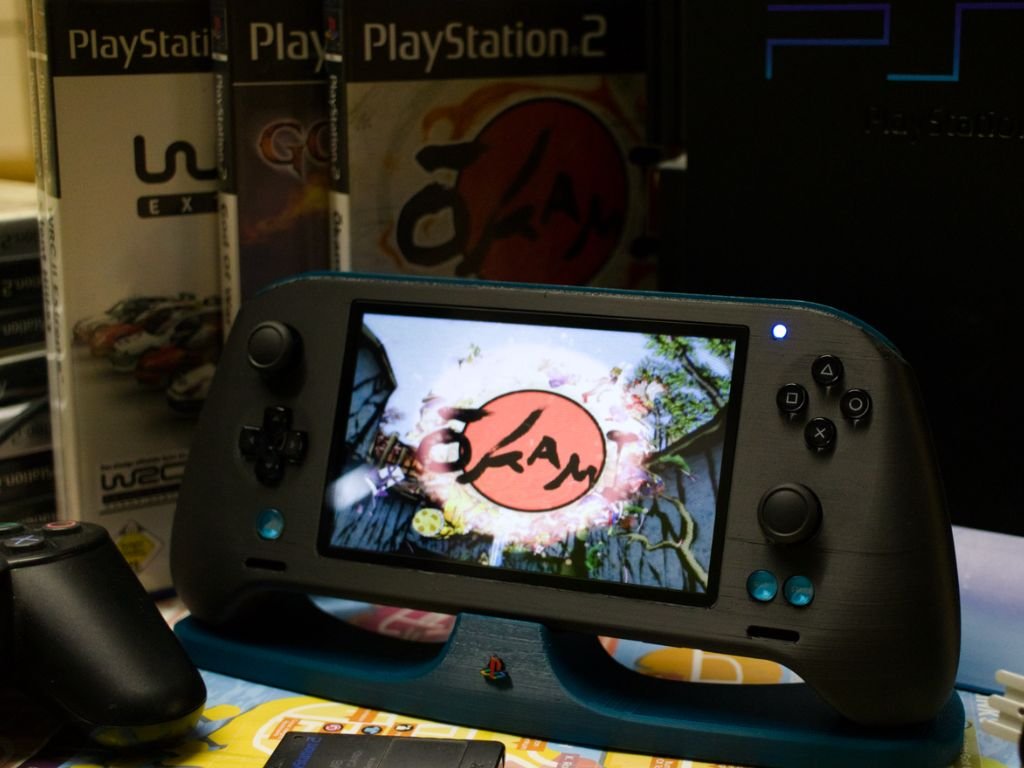
What makes this particular portable PS2 extraordinary is its approach to hardware implementation. Unlike most retro handhelds that rely on either original console components or software emulation, Tschicki has created what is likely the world's first custom reverse-engineered PS2 motherboard not manufactured by Sony. As detailed in the GitHub repository, the device reuses only six integrated circuits from original PS2 mainboards, specifically salvaged from SCPH-7900x or SCPH-9000x consoles. Every other component has been selected and implemented specifically for this portable application.
The technical specifications reveal a project of remarkable complexity and sophistication. At the heart of the video processing system lies a Trion T20 FPGA, which handles the critical task of converting the PS2's original interlaced video signal to a progressive display suitable for the handheld's LCD screen. This FPGA implements a custom motion-adaptive deinterlacer, line doubler, and bilinear scaler—features that significantly improve the visual quality compared to simple line-doubled solutions. The result is a crisp, clean image that does justice to the PS2's library of games.
Power management is another area where this portable excels. An RP2040 microcontroller handles all power-related functions, including battery charging, power distribution, and even controller emulation. The device cleverly uses this same microcontroller to emulate a DualShock 2 controller, complete with the classic rumble feature, eliminating the need for additional hardware. The handheld operates on two 21700 batteries, providing approximately 4.5 hours of gameplay—a respectable figure for a device running original PS2 hardware. Charging is handled via USB-C, with an undervolting configuration implemented to maintain thermal stability during extended play sessions.
The controller design shows clear inspiration from modern handhelds, with PS Vita-inspired face buttons and Hall-effect analog sticks that should provide excellent durability and precision. The overall ergonomic design borrows heavily from the Asus ROG Xbox Ally, creating a comfortable grip that should feel familiar to users of contemporary gaming handhelds.
When compared to other PS2 portable solutions, this reverse-engineered approach offers several distinct advantages. Unlike software emulators that require powerful processors and may suffer from compatibility issues, this hardware-based solution runs original games with perfect compatibility. Compared to other portable PS2s that use original console motherboards, this device is significantly more power-efficient and compact, thanks to its custom-designed components.
However, this level of innovation comes with a steep barrier to entry. Tschicki explicitly warns potential builders in the project documentation: "I would highly recommend not building one, even if you know what you are getting yourself into." The project requires fine-pitch BGA soldering skills, a chip programmer, and substantial troubleshooting patience. Every PCB, FPGA code, 3D file, and firmware component is available freely on GitHub, but the complexity means this remains firmly in the realm of expert hobbyists rather than a consumer product.
For the select few with the necessary skills and determination, this project represents the pinnacle of retro gaming portability—a true testament to what can be achieved when passion for gaming meets deep technical expertise. While most retro gaming enthusiasts will likely continue to rely on commercial solutions or simpler DIY projects, Tschicki's reverse-engineered PS2 portable stands as an impressive technical achievement that pushes the boundaries of what's possible in custom portable hardware.
This project is particularly noteworthy for its approach to hardware preservation. Rather than simply shrinking existing hardware or relying on emulation, Tschicki has essentially reverse-engineered the PS2's architecture and created a modern, efficient implementation. This approach could potentially inspire similar projects for other classic consoles, offering a path to portable gaming that maintains the authenticity of original hardware while benefiting from modern design principles.
For those interested in attempting this ambitious project, all necessary files and documentation are available through the GitHub repository, though as Tschicki emphasizes, this is definitely not a project for beginners. The combination of technical complexity and the sheer novelty of a fully reverse-engineered PS2 portable makes this one of the most interesting DIY gaming projects to emerge in recent years.
Comments
Please log in or register to join the discussion