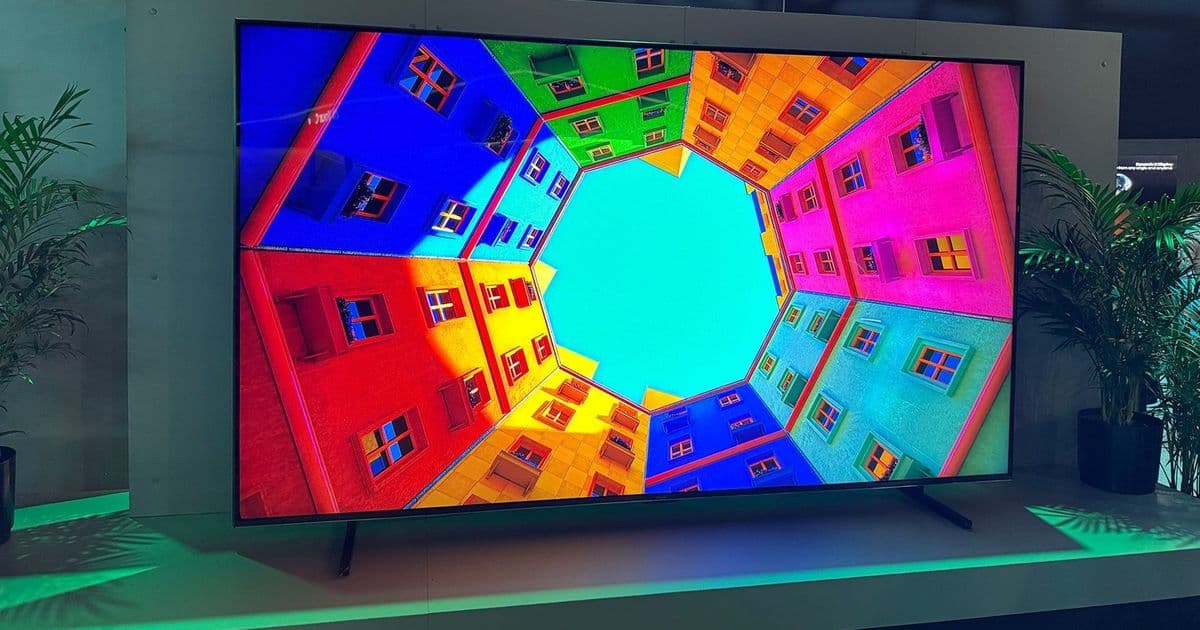
Five major TV manufacturers are betting on RGB mini-LED technology to redefine premium television in 2026. This breakthrough replaces traditional white/blue backlighting with independent red, green, and blue LEDs, promising unprecedented color accuracy and brightness. As CES approaches, the industry grapples with whether this innovation can challenge OLED dominance while remaining accessible.
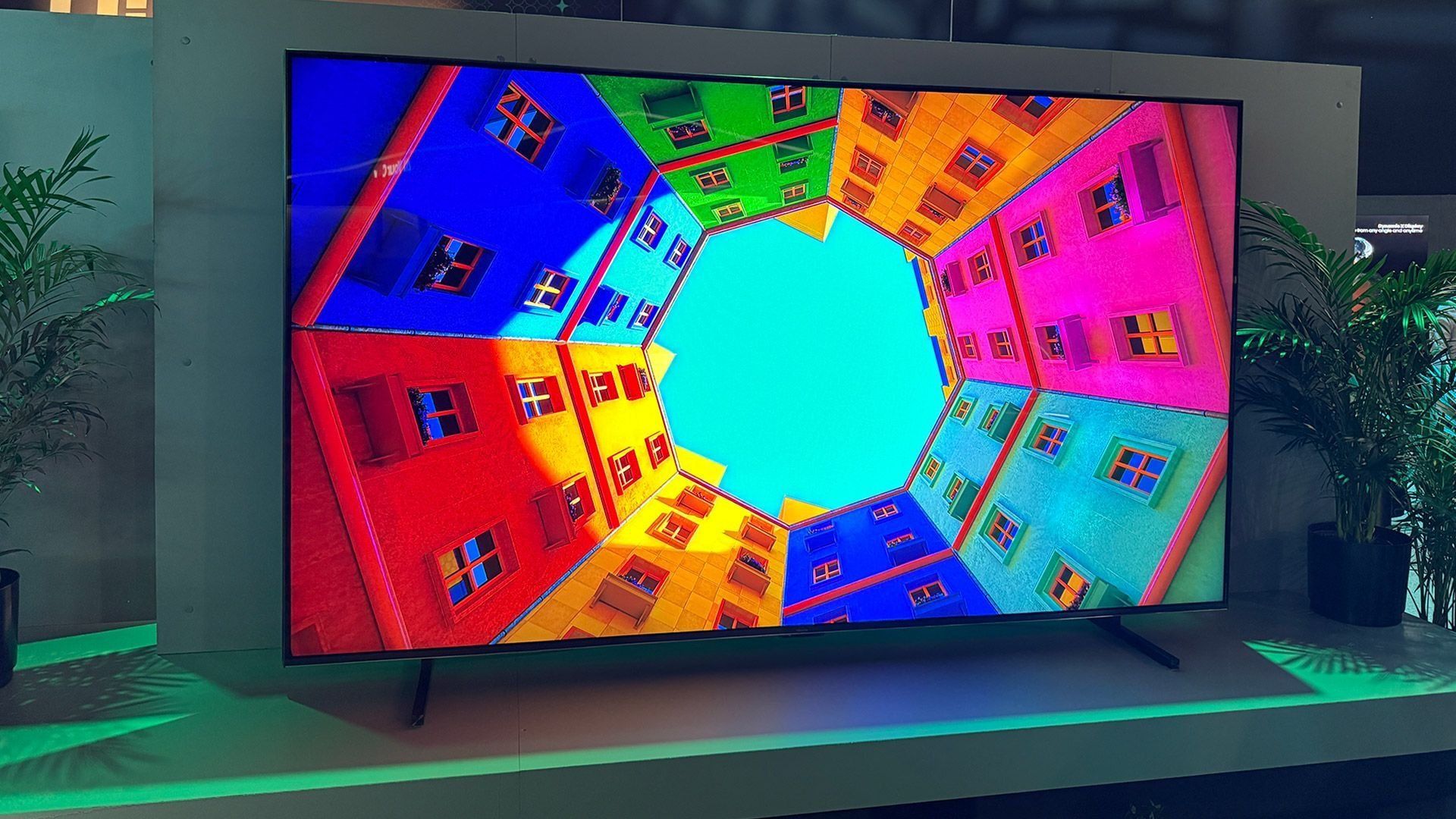
Television technology is poised for its most significant shift in years as RGB mini-LED emerges as the defining trend for 2026. With TCL, Hisense, Samsung, LG, and Sony all committing to product lines featuring variants of this technology, the display landscape faces fundamental transformation. Unlike traditional LED TVs that use white or blue light filtered through quantum dots, RGB mini-LED employs independent red, green, and blue light sources within optical units.
The Technical Breakthrough
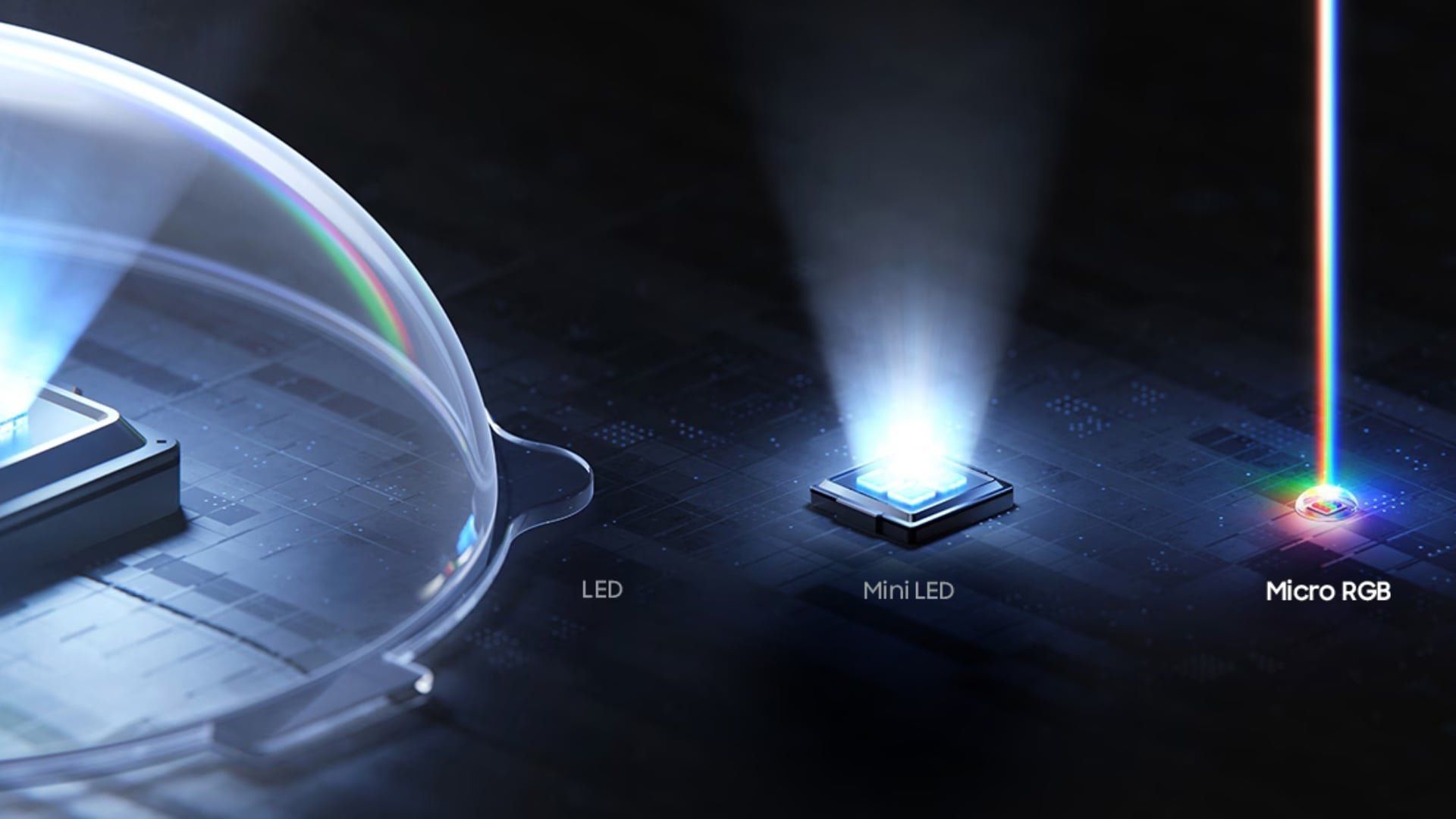
At its core, RGB mini-LED (alternatively called Micro RGB by Samsung and LG) solves a fundamental limitation of conventional LCD displays. "Instead of emitting white or blue light, these systems use an array of optical units with red, green and blue LEDs placed inside an optical lens," explains Samsung's technical documentation. Each optical unit services multiple pixels, creating color through direct RGB emission rather than filtered white light.
This approach differs critically from Micro LED technology, which requires microscopic RGB LEDs for every single pixel—a manufacturing challenge that's hindered commercialization. RGB mini-LED offers a pragmatic compromise: genuine RGB backlighting without impossible manufacturing yields.
Picture Quality Advancements
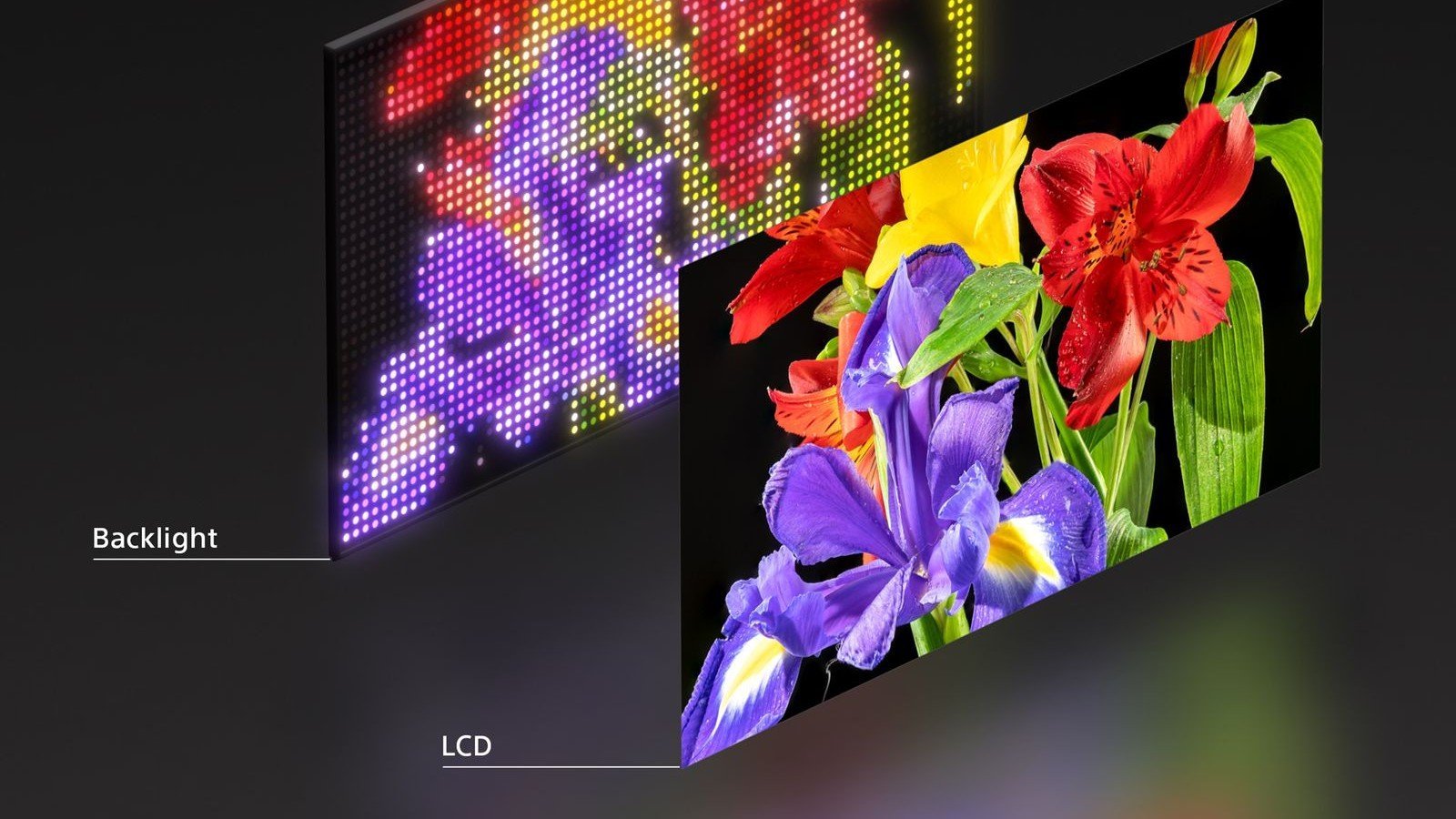
Early implementations demonstrate compelling advantages:
- Color Performance: LG claims coverage of DCI-P3, Adobe RGB, and BT.2020 color gamuts due to pure spectral output
- Enhanced Brightness: Maintains LCD's high-nit advantage over OLED
- Improved Viewing Angles: Sony prototypes show reduced color shift at off-axis positions
- Deeper Blacks: Reduced light contamination improves contrast
Yet challenges remain. Hisense's inaugural 116-inch model exhibited blooming artifacts in dark scenes, revealing that local dimming algorithms haven't fully adapted to the new architecture. Content mastering also lags—few productions currently exploit the expanded color volume.
Market Positioning Dilemma
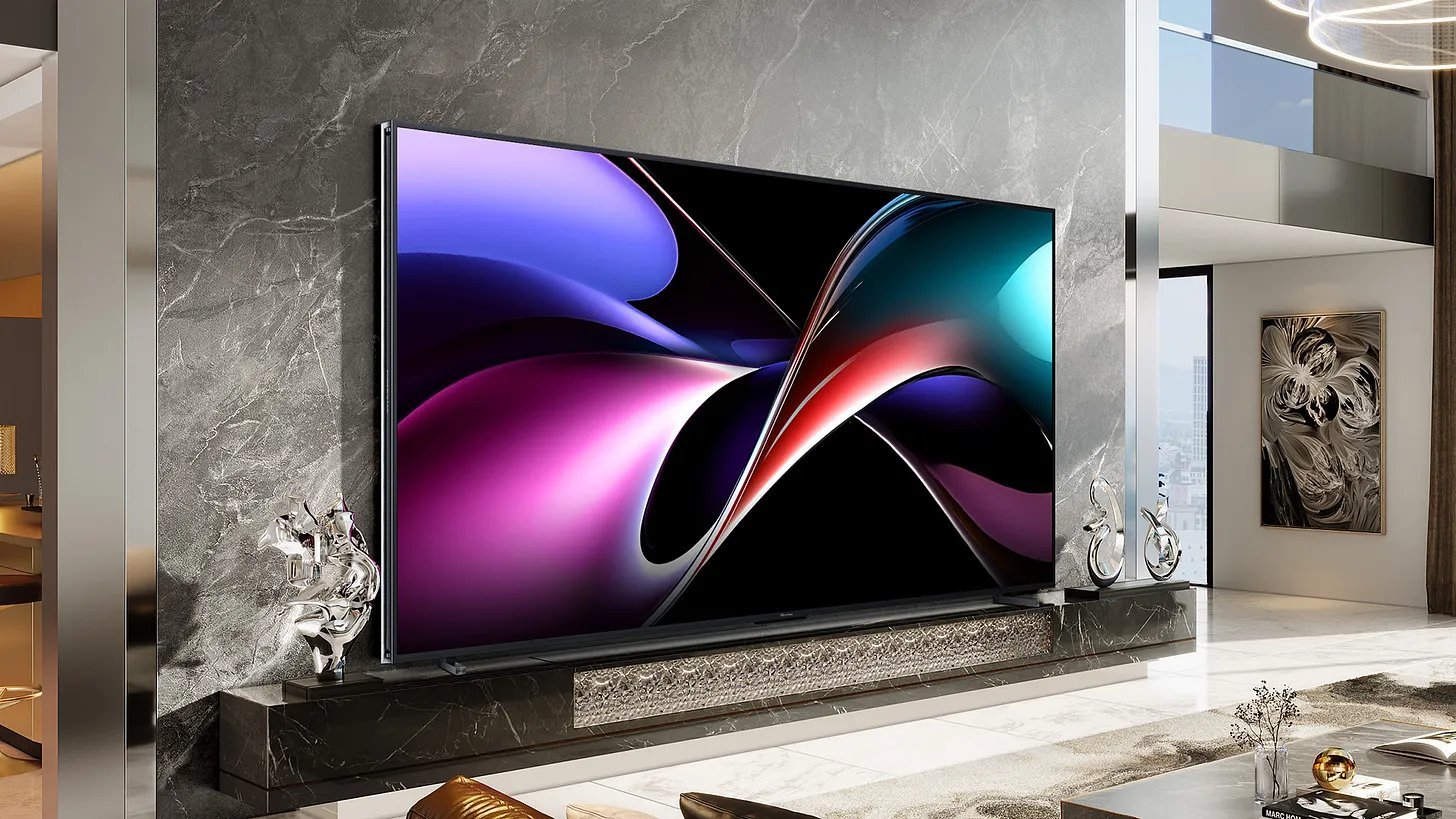
Manufacturer strategies reveal internal tensions. LG positions its Micro RGB sets below OLED in its 2026 hierarchy, emphasizing its investment in self-emissive technology. Conversely, Sony appears ready to crown RGB mini-LED as its flagship display technology. Samsung's positioning remains ambiguous—its $30,000 115-inch Micro RGB TV currently sits above its QD-OLED offerings.
The Mainstream Promise
The technology's most revolutionary aspect may be accessibility. Unlike the prohibitively expensive 115-116 inch pioneers, 2026 models will target mainstream sizes (55-85 inches) at competitive price points. TCL and Hisense—historically value-focused brands—could democratize performance approaching OLED quality at LCD prices.
As CES approaches, RGB mini-LED represents more than a spec bump. It's a fundamental rethinking of LCD backlighting that preserves the technology's brightness advantages while closing critical quality gaps. Whether it becomes the OLED alternative that finally sticks or merely elevates LCD's ceiling, its impact will reverberate through living rooms and boardrooms alike.
Source: John Archer, TechRadar
Comments
Please log in or register to join the discussion