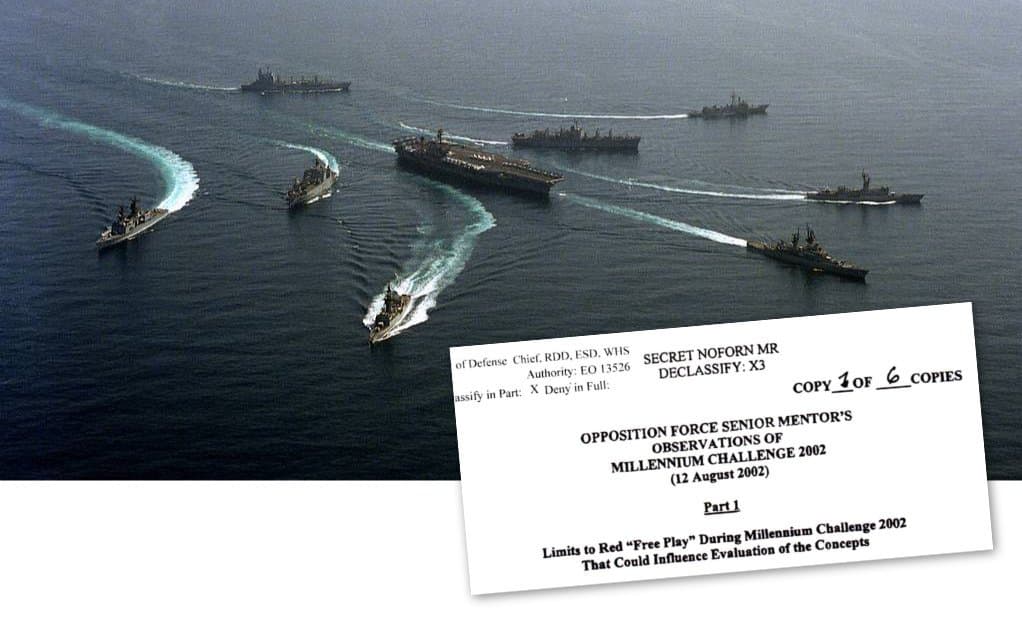
A declassified military simulation reveals critical vulnerabilities in U.S. defense systems when facing asymmetric, low-tech adversaries, challenging assumptions about technological superiority in modern warfare.
The National Security Archive has recently highlighted a significant military exercise that deliberately "rigged" scenarios to expose critical vulnerabilities in U.S. defense systems when facing low-tech adversaries. This exercise represents an important shift in military thinking, acknowledging that technological superiority doesn't always translate to tactical advantage in complex operational environments.
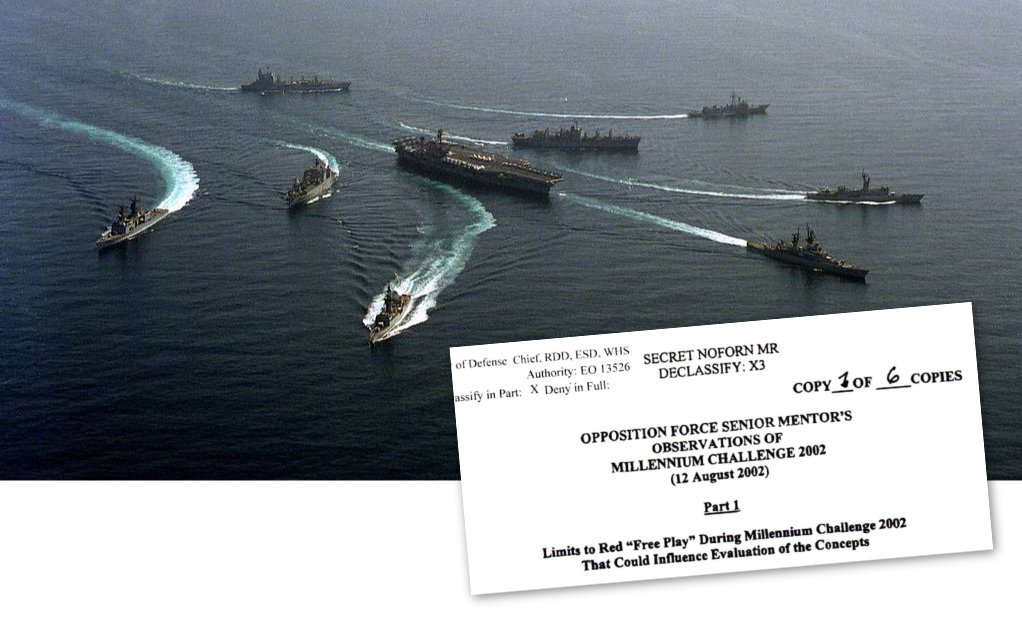
The war game, which remains partially classified but has been documented through declassified materials obtained by the National Security Archive, pitted U.S. forces equipped with advanced technology against adversaries using seemingly primitive tactics and equipment. What made this exercise particularly revealing was its asymmetric design—specifically calibrated to demonstrate how low-tech approaches could circumvent high-tech defenses.
Key vulnerabilities exposed included:
Electronic Dependency: The simulation demonstrated how U.S. forces' heavy reliance on electronic systems created single points of failure. When these systems were disrupted (through both sophisticated and rudimentary methods), operational effectiveness plummeted.
Supply Chain Fragility: The exercise highlighted how just-in-time logistics and complex supply chains, while efficient, created vulnerabilities that could be exploited by adversaries employing simple but persistent disruption tactics.
Over-Reliance on Technology: Military planners observed that troops equipped with advanced technology sometimes struggled when systems failed, whereas less-equipped forces demonstrated greater adaptability and resilience.
Information Asymmetry: Paradoxically, the low-tech adversaries in the simulation often had better situational awareness because they weren't dependent on complex networks that could be compromised or jammed.
This exercise builds on a growing body of evidence that challenges the technological determinism prevalent in military planning. Similar findings have emerged from other defense simulations and real-world conflicts, from Afghanistan to Ukraine, where hybrid warfare approaches have consistently demonstrated the limitations of purely technological solutions.
The implications for defense strategy are profound. First, it suggests a need for greater investment in "low-tech" capabilities and training that can operate when advanced systems fail. Second, it highlights the importance of redundancy and fallback systems in military equipment and operations. Third, it underscores the value of understanding adversary perspectives and tactics that don't require technological parity.
For AI and machine learning applications in defense, this exercise raises important questions about the robustness of AI systems when faced with novel or unexpected inputs—particularly those that don't conform to the data distributions on which these systems were trained. The "rigged" nature of the simulation essentially created adversarial examples at a tactical level, revealing how easily machine learning systems can be manipulated or bypassed when their underlying assumptions are challenged.
The National Security Archive's documentation of this exercise serves as an important reminder that military advantage in the 21st century will increasingly depend on the ability to integrate high and low-tech approaches, rather than relying solely on technological superiority. As one analyst involved in the exercise noted, "The most dangerous enemy is the one who doesn't fight the way you expect them to fight."
This thinking aligns with broader trends in defense strategy, including the U.S. military's renewed focus on great power competition and the challenges of facing near-peer adversaries who may employ asymmetric tactics. It also resonates with concerns raised in recent defense department reports about the vulnerability of advanced systems to electronic warfare and other disruption tactics.
The exercise's documentation by the National Security Archive—a nonprofit research institute that obtains and publishes declassified government documents—provides valuable context for researchers, policymakers, and the public about the ongoing challenges of military preparedness in an increasingly complex security environment.
For further reading, the National Security Archive's collection includes related documents on military simulations and defense planning that provide additional context on this and similar exercises.
Comments
Please log in or register to join the discussion