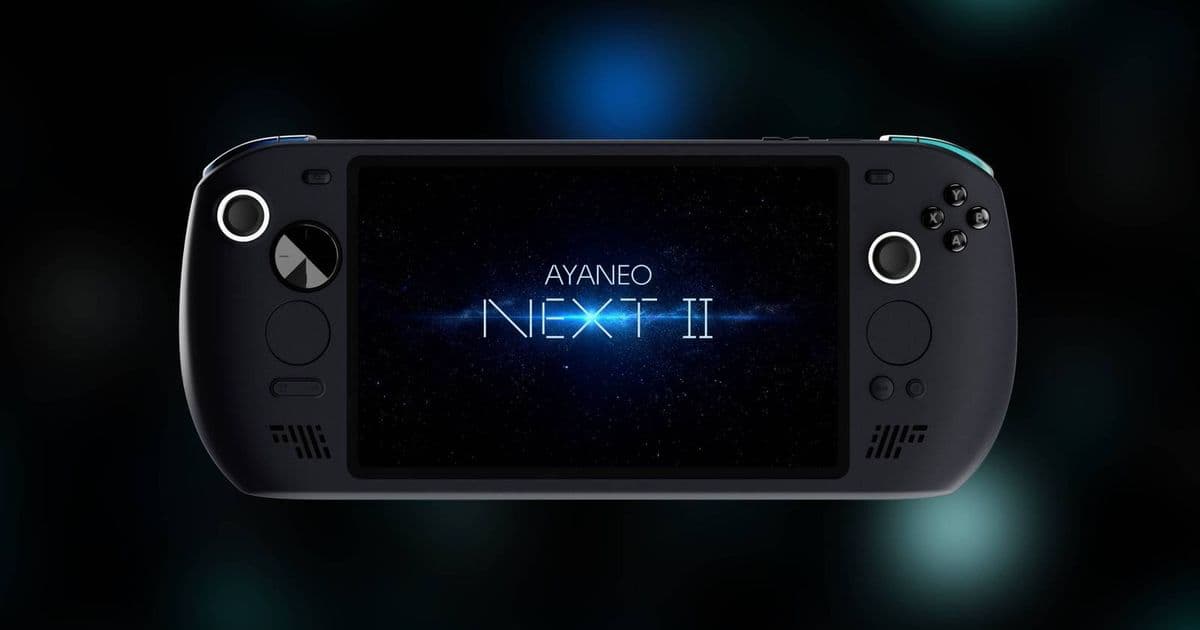
A planned Windows 11 gaming handheld has been cancelled due to unsustainable memory costs, highlighting the financial pressures facing portable gaming devices.
A planned Windows 11 gaming handheld has been cancelled due to rising memory costs, according to a report from XDA-Developers. The device, which was being developed by an unnamed manufacturer, would have entered a market already crowded with options like the Steam Deck, ROG Ally, and Legion Go.
The Memory Cost Problem
The cancellation stems from the increasing cost of RAM and storage components. As memory prices have surged in recent months, the handheld's projected retail price would have exceeded what the market could bear. This mirrors challenges faced by other tech products where component costs directly impact final pricing and market viability.
For handheld gaming devices, memory serves as a critical component. Windows 11 itself requires substantial RAM to run smoothly, and modern games demand even more. A device attempting to balance performance with affordability finds itself squeezed when memory prices spike.
Market Context
This cancellation highlights the precarious economics of Windows gaming handhelds. Unlike Nintendo's Switch, which uses custom software optimized for its hardware, Windows devices must contend with the operating system's overhead while delivering acceptable gaming performance.
The handheld market has seen several successful entries recently. Valve's Steam Deck uses a custom Linux-based system that requires less overhead than Windows. Devices like the ROG Ally and Legion Go run Windows but benefit from larger manufacturers' economies of scale and component sourcing power.
Impact on Consumers
For gamers interested in Windows handhelds, this cancellation represents another option lost from an already limited field. The Windows handheld market remains niche compared to traditional gaming laptops or consoles, partly due to the Windows tax and component cost issues.
Consumers seeking portable Windows gaming may need to consider alternatives like the ROG Ally X, which offers improved battery life and storage options, or wait for future devices that might better navigate the current memory cost environment.
Industry Implications
The cancellation suggests that smaller manufacturers may struggle to compete in the Windows handheld space when memory costs rise. Larger companies with better supply chain relationships and component pricing can absorb cost increases more effectively.
This could lead to market consolidation, where only major players like ASUS, Lenovo, and potentially future entries from companies like MSI can sustainably produce Windows gaming handhelds. Smaller innovators may find the economics unworkable.
Looking Forward
Memory prices fluctuate based on market conditions, manufacturing capacity, and demand from various sectors including smartphones, servers, and AI applications. If prices stabilize or decrease, we might see renewed interest in Windows handheld development.
Alternatively, manufacturers might explore alternative approaches such as using more efficient operating systems, optimizing Windows installations to reduce memory requirements, or accepting higher price points that may limit market appeal.
The cancellation serves as a reminder that even promising hardware concepts can fall victim to basic economic pressures. In the competitive gaming hardware market, the difference between success and cancellation often comes down to component costs that consumers never see but ultimately determine what products reach store shelves.
Comments
Please log in or register to join the discussion