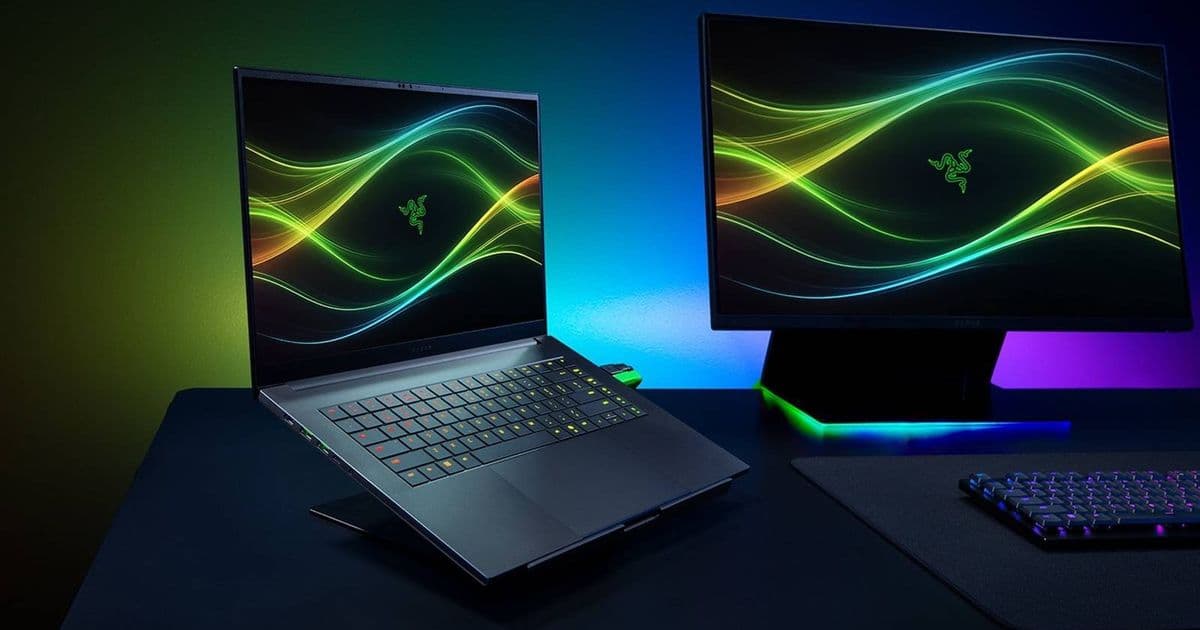
Razer's latest Blade 16 combines Intel's Ultra 9 386H CPU with massive battery gains and gaming power, proving thin gaming laptops can finally deliver both performance and endurance.
The gaming laptop market has long been plagued by a fundamental compromise: you could have a machine that was either thin and portable or powerful enough to handle the latest games, but rarely both. Razer's new Blade 16 aims to shatter that compromise entirely, delivering a machine that's as thin as its predecessors while packing significantly more power and, crucially, much better battery life.
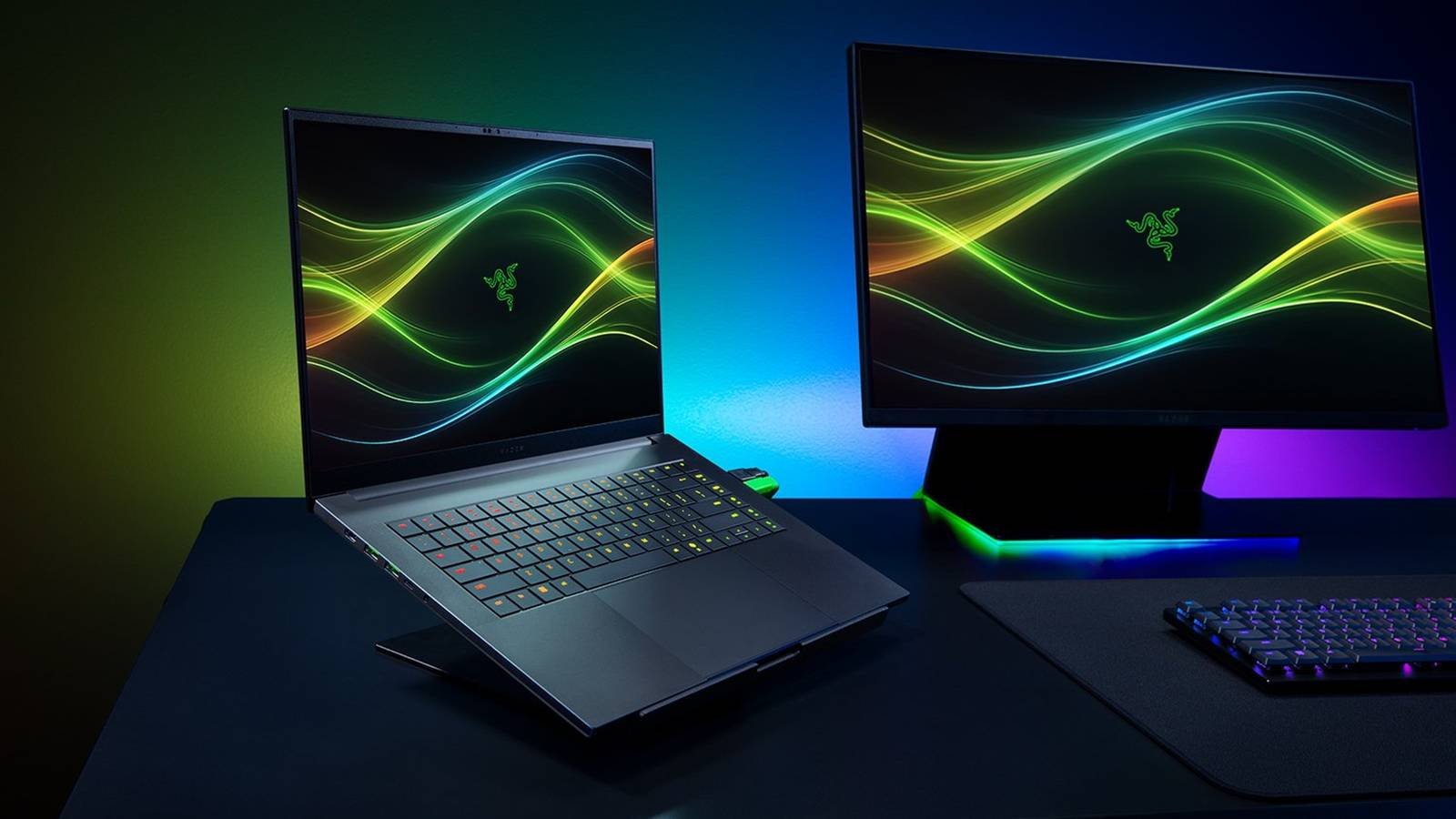
At the heart of this revolution is Intel's new Core Ultra 9 386H processor. This isn't just a modest upgrade—Razer claims it delivers 33% better performance while consuming 60% less power than the previous generation. That's the kind of leap that fundamentally changes what a gaming laptop can be. Instead of watching your battery percentage plummet the moment you unplug, you might actually be able to get some work done away from an outlet.
The Blade 16's specifications read like a wishlist for serious gamers and creators alike. You can configure it with up to 64GB of LPDDR5X-9600MHz RAM, which Razer proudly claims is the "fastest available memory" on the market. For graphics, there's support for the Nvidia GTX 5090, ensuring you'll be able to push games at high resolutions and frame rates for years to come. Storage options go up to 2TB of SSD space, giving you plenty of room for your game library.
Priced at $3,499.99 for the base configuration, the Blade 16 isn't exactly budget-friendly. However, Razer is sweetening the deal with a bundle that includes a copy of Resident Evil: Requiem and one month of Xbox Game Pass, which helps offset the premium price tag somewhat.
The timing of this release is particularly interesting. As gaming laptops have become increasingly powerful, they've also become increasingly expensive and power-hungry. The Blade 16 represents a potential turning point where efficiency gains from newer architectures finally start to outpace the power demands of more advanced hardware.
This efficiency isn't just about battery life—it's about thermal management, fan noise, and overall system longevity. A more efficient CPU generates less heat, which means the cooling system doesn't have to work as hard, which in turn means less noise and potentially longer component lifespan.
For developers and content creators who also game, this kind of balanced performance is especially appealing. You can use the same machine for compiling code, rendering video, or running complex simulations, then switch to gaming without feeling like you're compromising on either front.
The move from AMD to Intel for the processor is also noteworthy. While AMD has dominated the laptop CPU market in recent years, Intel's Ultra series appears to be making a strong case for itself, particularly in the efficiency-focused gaming segment.
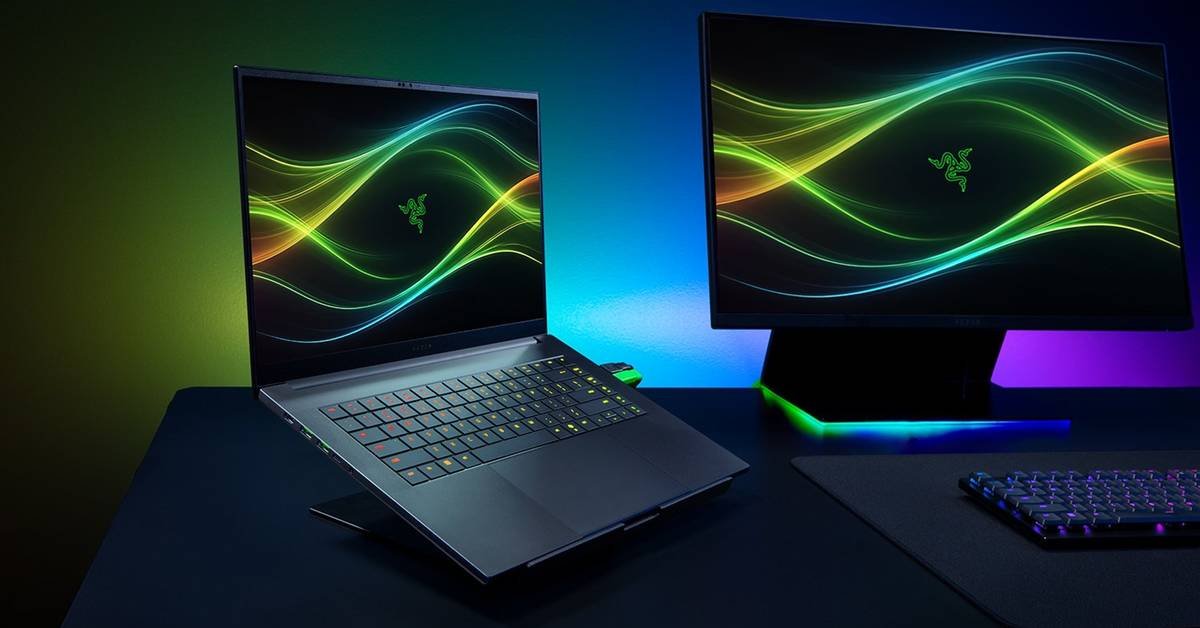
What makes the Blade 16 particularly compelling is how it addresses the "three pillars" of modern gaming laptops: performance, portability, and battery life. Previous generations forced you to pick two, but this generation might finally deliver on all three.
If you've been holding off on a gaming laptop because you couldn't bear the thought of another machine that dies after two hours of unplugged use, the Blade 16 might be worth a serious look. It's not just about having more power—it's about having power you can actually use wherever you happen to be.
The gaming laptop market is notoriously competitive, with companies like ASUS, MSI, and Alienware all pushing their own high-end offerings. But Razer's focus on the efficiency-performance balance could give it a significant edge, especially as more people look for machines that can handle both work and play without compromise.
Whether the Blade 16 lives up to its promises will depend on real-world testing, but the specifications and claimed improvements are certainly promising. In a market where incremental upgrades have been the norm, a 60% improvement in battery efficiency while simultaneously boosting performance is the kind of leap that gets people excited about what's possible in portable gaming.
Comments
Please log in or register to join the discussion