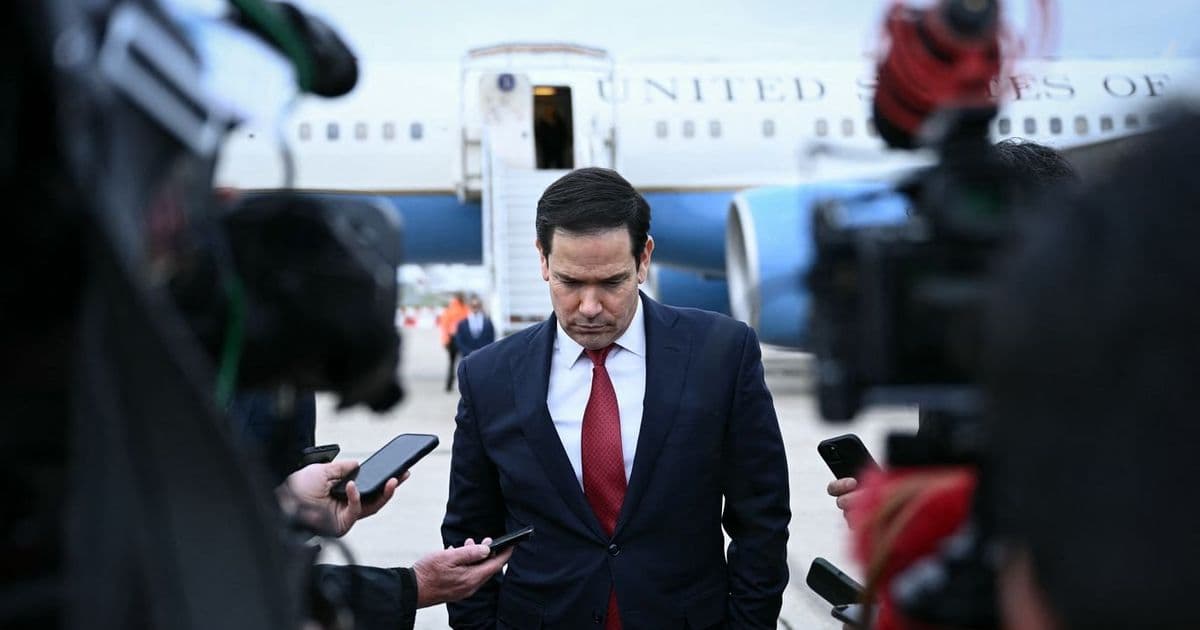
Secretary of State Marco Rubio has informed U.S. allies that military operations against Iran will extend for another 2-4 weeks, signaling a prolonged conflict that could reshape Middle East dynamics and global energy markets.
Secretary of State Marco Rubio has told U.S. allies that the military campaign against Iran will continue for an additional 2-4 weeks, according to sources familiar with the discussions at the G7 summit in France.
Extended timeline raises stakes
The announcement marks a significant escalation in the conflict's projected duration. Initial assessments had suggested a shorter campaign, but the extended timeline indicates more complex military objectives or unexpected resistance.
Rubio delivered the update during bilateral meetings with European and Asian counterparts, emphasizing that the operation's goals remain unchanged but require additional time to achieve. The Secretary stressed that coalition partners would need to maintain their current levels of support and potentially increase certain contributions.
Economic implications
Financial markets reacted immediately to the news, with oil prices jumping 3.2% in overnight trading. Iran controls the Strait of Hormuz, through which approximately 20% of global oil shipments pass. Extended military operations raise the specter of supply disruptions that could push crude prices above $90 per barrel.
Defense contractors saw their stocks rise across the board, with Lockheed Martin gaining 4.7% and Raytheon Technologies up 3.9%. The extended timeline suggests sustained demand for munitions, surveillance equipment, and other military supplies.
Regional stability concerns
Middle East analysts warn that a 2-4 week extension could trigger broader regional instability. "Every additional week increases the risk of miscalculation or unintended escalation," said Dr. Sarah Hassan, director of Middle East security studies at the Brookings Institution.
Neighboring countries are already reporting increased military activity along their borders with Iran. Turkey has placed its air force on heightened alert, while Saudi Arabia has requested additional Patriot missile defense systems from the United States.
Diplomatic fallout
The extended timeline creates challenges for the Biden administration's diplomatic agenda. With the conflict consuming significant diplomatic bandwidth, progress on other priorities like Indo-Pacific strategy and European security may slow.
European allies expressed concern about being drawn deeper into a conflict they had hoped would remain limited. France and Germany are reportedly pushing for clearer exit criteria and contingency plans for humanitarian assistance.
What happens next
Military planners are working on logistics for the extended campaign, including ammunition resupply schedules and maintenance rotations. The Pentagon has not yet indicated whether it will need to activate additional reservists or extend deployments for units already in the region.
The next two weeks will be critical in determining whether the conflict remains contained or expands further. Intelligence agencies are monitoring for potential Iranian retaliation against U.S. interests or allies, particularly in Iraq, Syria, and the Persian Gulf states.
Market impact
Beyond energy markets, investors are repositioning portfolios to account for prolonged instability. Gold prices rose 1.8% following Rubio's announcement, while defense sector ETFs saw inflows of over $200 million in a single trading session.
Technology companies with significant Middle East operations, including Microsoft and Amazon, are reviewing contingency plans for their data centers and offices in the region. Both companies have substantial cloud infrastructure investments in countries bordering Iran.
Strategic considerations
The extended timeline suggests the campaign may be pursuing objectives beyond the initially stated goals. Military experts speculate this could include targeting Iran's ballistic missile capabilities, nuclear infrastructure, or support networks for proxy groups across the region.
Whatever the specific targets, the additional 2-4 weeks represent a significant commitment of U.S. military resources at a time when Pentagon officials have warned about the strain on the force from multiple global commitments.
The coming weeks will test both military planning and diplomatic coordination as the conflict potentially enters a more intense phase. For now, the message from Washington is clear: this operation will take longer than initially expected, and allies should prepare accordingly.
Comments
Please log in or register to join the discussion