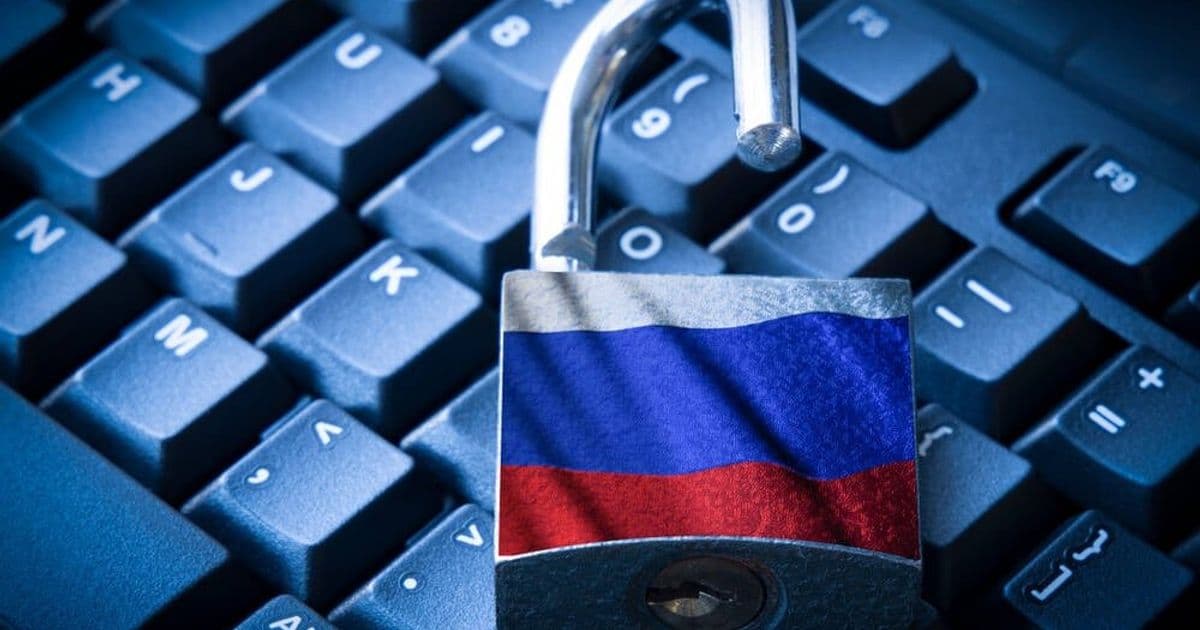
Dutch intelligence agencies warn of large-scale Russian campaign to hijack secure messaging accounts by tricking users into sharing verification codes.
Russian-linked hackers are conducting a large-scale campaign to compromise Signal and WhatsApp accounts of government officials, journalists, and military personnel worldwide, according to Dutch intelligence agencies. The campaign, detailed by the Netherlands' AIVD (General Intelligence and Security Service) and MIVD (Military Intelligence and Security Service), exploits human psychology rather than technical vulnerabilities in the messaging apps' encryption.
The attackers are using sophisticated social engineering techniques to trick users into voluntarily surrendering their account credentials. Rather than attempting to break the apps' end-to-end encryption, which remains mathematically secure, the hackers focus on obtaining verification codes and PINs that would grant them full access to victims' accounts.
How the attack works
The campaign employs multiple tactics to gain unauthorized access. In one approach, attackers initiate direct conversations with targets and persuade them to share security verification codes or PINs. These codes are typically sent via SMS or generated within the app itself as part of the login process. By convincing users to share these codes, attackers can authenticate themselves as the legitimate account owner.
Another particularly deceptive method involves impersonating Signal's official support bot. The attackers create conversations that appear to originate from legitimate support channels, making their requests for verification codes seem authentic and trustworthy. This impersonation tactic exploits users' natural inclination to comply with what appears to be official communication.
Perhaps most concerning is the exploitation of Signal's "linked devices" feature. This functionality allows users to connect additional devices to their account, enabling message synchronization across multiple platforms. Attackers who successfully link their own device to a victim's account can effectively mirror all conversations in real-time, providing continuous access to private communications without triggering obvious security alerts.
Scope and impact
The Dutch agencies report that the campaign has already achieved success, with "targets and victims" including Dutch government employees and journalists. The intelligence services stated that "Russian hackers have likely gained access to sensitive information" through these compromises. The global nature of the targeting suggests a coordinated intelligence-gathering operation rather than opportunistic cybercrime.
Warning signs and prevention
Users who suspect their accounts may have been compromised should watch for several indicators. The Dutch authorities note that contacts might suddenly appear twice in a list, or numbers could unexpectedly show up as "deleted account." These subtle changes can indicate that an attacker has gained access and is manipulating account data.
Both Signal and WhatsApp have implemented various security features to protect user accounts, but these measures rely on user vigilance. Meta, WhatsApp's parent company, emphasized that users should never share their six-digit verification codes with others. The company provides detailed guidance on protecting accounts from scams, though the effectiveness of these measures ultimately depends on user compliance.
Signal did not immediately respond to requests for comment on the campaign, but the company has historically emphasized its commitment to user privacy and security through strong encryption protocols.
The encryption paradox
This campaign highlights a fundamental challenge in secure communications: the very features that make encrypted messaging apps attractive to privacy-conscious users also make them valuable targets once compromised. End-to-end encryption effectively protects messages from interception during transmission, but it provides no defense against account takeover.
When an attacker gains control of an account, they inherit all the privileges of the legitimate user. They can read past conversations, monitor new messages in real-time, and potentially access group chats containing multiple sensitive participants. The encryption that protects the communication channel becomes irrelevant once the attacker controls the endpoint.
Official response and recommendations
The Dutch authorities have released a cybersecurity advisory and are actively assisting affected users in securing their accounts. This response demonstrates the seriousness with which Western intelligence agencies view the campaign and their commitment to protecting critical infrastructure and personnel.
MIVD director Vice-Admiral Peter Reesink issued a stark warning about the appropriate use of consumer messaging applications for sensitive communications. "Despite their end-to-end encryption option, messaging apps such as Signal and WhatsApp should not be used as channels for classified, confidential or sensitive information," he stated.
This recommendation reflects a broader principle in operational security: technical measures alone cannot guarantee protection against determined adversaries. Human factors, including the willingness to share verification codes under social pressure, often represent the weakest link in security chains.
Broader implications
The campaign serves as a reminder that even the most secure technical systems can be undermined through social engineering. Organizations handling sensitive information must implement comprehensive security training that addresses not just technical best practices but also the psychological tactics used by attackers.
For government officials, journalists, and others working with sensitive information, the incident suggests the need for more robust communication protocols. While consumer messaging apps offer convenience and strong encryption, they may not provide sufficient protection for the highest-stakes communications.
The success of this campaign also underscores the ongoing intelligence competition between Western nations and Russia. By targeting the communications of government officials and journalists, the attackers appear to be pursuing traditional espionage objectives through modern technological means.
As cyber operations become increasingly sophisticated, the line between technical hacking and human manipulation continues to blur. This campaign represents a hybrid approach that combines elements of both, exploiting the intersection of technology and human psychology to achieve intelligence objectives.
The incident serves as a wake-up call for organizations and individuals who rely on encrypted messaging for sensitive communications. While the encryption itself remains secure, the human element requires constant vigilance and education to prevent account compromises that could expose confidential information to foreign intelligence services.
Comments
Please log in or register to join the discussion