OpenAI CEO Sam Altman shares a deeply personal post about AI's transformative potential, the industry's intense pressures, and a disturbing Molotov cocktail attack on his home, calling for de-escalation in the heated AI debate.
In a rare and deeply personal post, OpenAI CEO Sam Altman has shared a raw reflection on artificial intelligence's promise and peril, revealing that someone threw a Molotov cocktail at his home in the early hours of the morning. The attack, which thankfully caused no injuries, appears to have prompted Altman to address the mounting tensions surrounding AI development and his own role in the industry.
"Words have power too," Altman wrote, referencing a recent incendiary article about him. "There was an incendiary article about me a few days ago. Someone said to me yesterday they thought it was coming at a time of great anxiety about AI and that it made things more dangerous for me. I brushed it aside. Now I am awake in the middle of the night and pissed, and thinking that I have underestimated the power of words and narratives."
The post offers an unusually candid look at Altman's core beliefs about AI's future. He describes artificial intelligence as "the most powerful tool for expanding human capability and potential that anyone has ever seen," with demand that will be "essentially uncapped." Yet he acknowledges the legitimate fears surrounding this technology, noting that "the fear and anxiety about AI is justified; we are in the process of witnessing the largest change to society in a long time, and perhaps ever."
Altman outlines what he sees as the critical challenges ahead: ensuring safety beyond just model alignment, democratizing AI to prevent power concentration, and maintaining adaptability as the technology evolves. "AI has to be democratized; power cannot be too concentrated," he writes. "Control of the future belongs to all people and their institutions."
The CEO doesn't shy away from personal accountability, admitting to mistakes throughout OpenAI's journey. He expresses pride in standing firm against Elon Musk's attempt to gain unilateral control over the organization, but regrets being "conflict-averse," which "has caused great pain for me and OpenAI." He also acknowledges mishandling a conflict with OpenAI's previous board that "led to a huge mess for the company."
Reflecting on OpenAI's achievements, Altman notes the improbability of their success: "Against all odds, we figured out how to build very powerful AI, figured out how to amass enough capital to build the infrastructure to deliver it, figured out how to build a product company and business, figured out how to deliver reasonably safe and robust services at a massive scale, and much more. A lot of companies say they are going to change the world; we actually did."
Perhaps most strikingly, Altman addresses the intense drama within the AI industry itself. "My personal takeaway from the last several years... comes down to this: 'Once you see AGI you can't unsee it.'" He describes the pursuit of artificial general intelligence as having a "real 'ring of power' dynamic to it, and makes people do crazy things."
His solution? "The only solution I can come up with is to orient towards sharing the technology with people broadly, and for no one to have the ring. The two obvious ways to do this are individual empowerment and making sure democratic system stays in control."
Altman concludes with a plea for de-escalation in the AI debate. "While we have that debate, we should de-escalate the rhetoric and tactics and try to have fewer explosions in fewer homes, figuratively and literally."
The Molotov cocktail attack on Altman's home represents a disturbing escalation in the tensions surrounding AI development. While the motivations of the attacker remain unclear, the incident underscores the increasingly heated nature of debates about artificial intelligence's role in society. As AI systems become more powerful and their potential impacts more profound, the discourse around them has grown increasingly polarized and, in this case, dangerously physical.
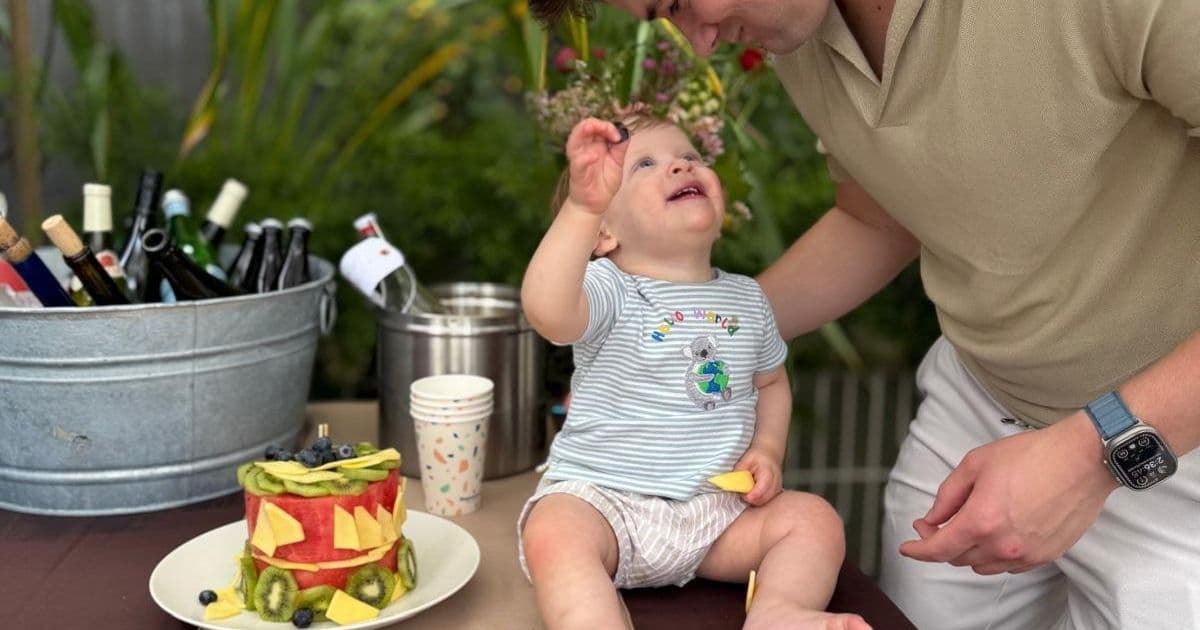
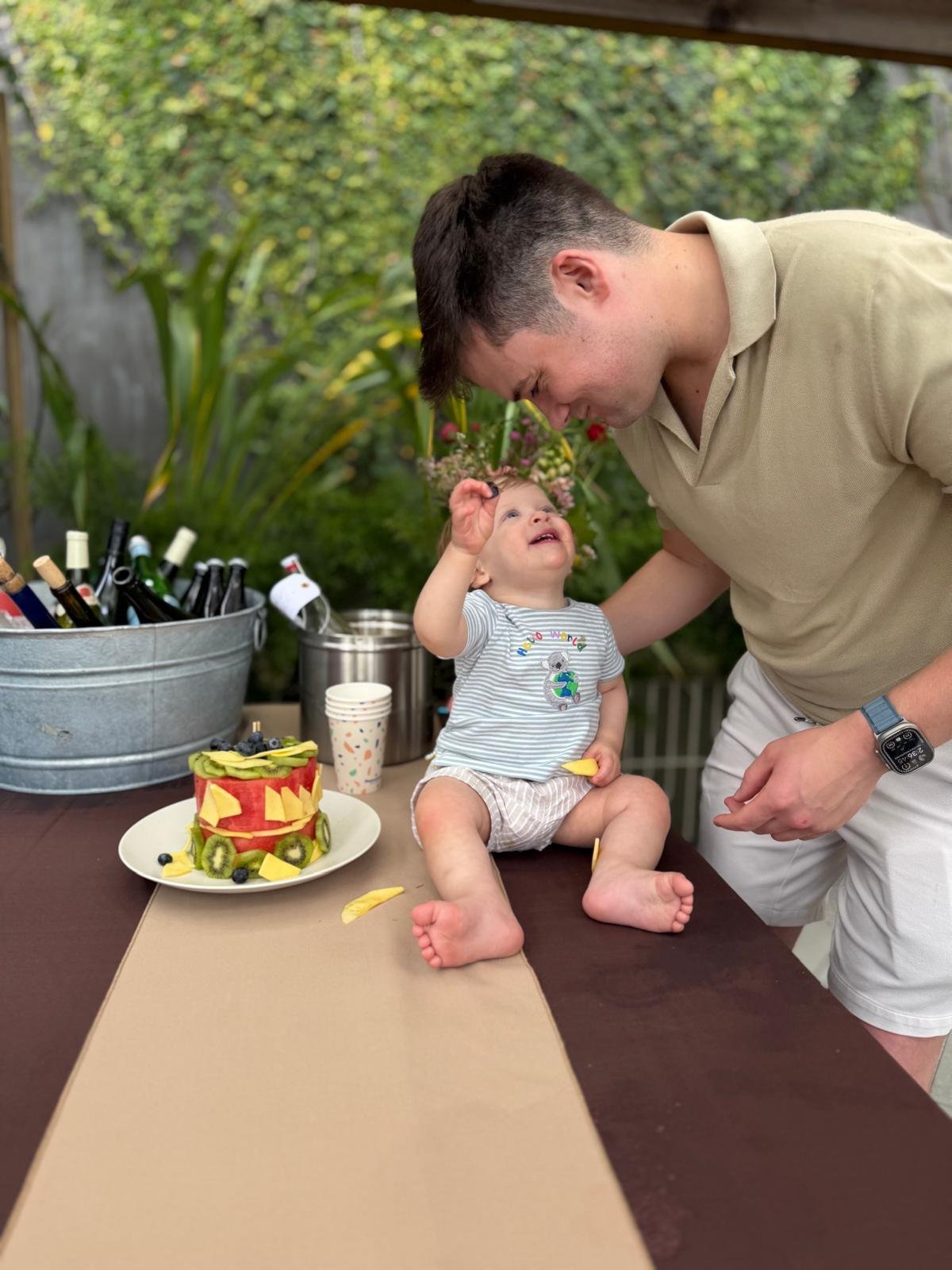
Altman's post serves as both a manifesto for responsible AI development and a sobering reminder of the human costs of technological transformation. In sharing his family photo and personal vulnerabilities, he's made a powerful statement about the real-world consequences of the AI debate—consequences that extend far beyond boardrooms and research labs into the homes and lives of those at the center of this technological revolution.
Comments
Please log in or register to join the discussion