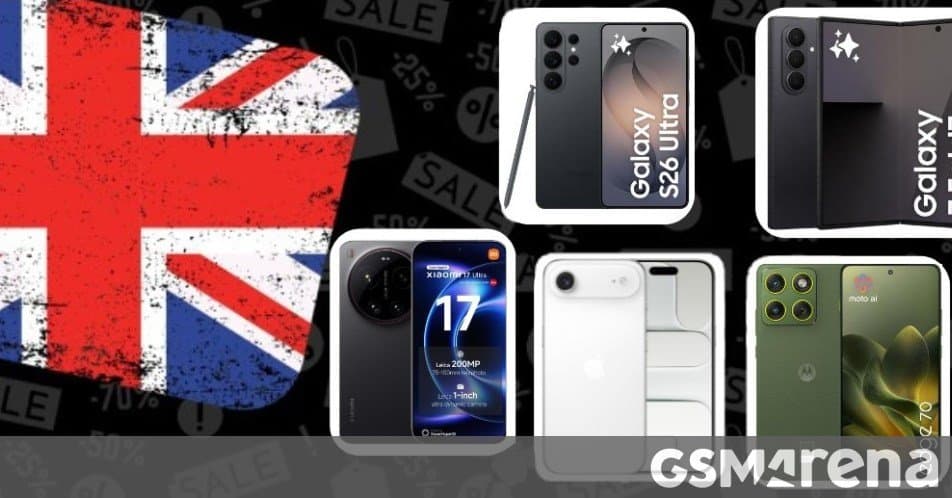
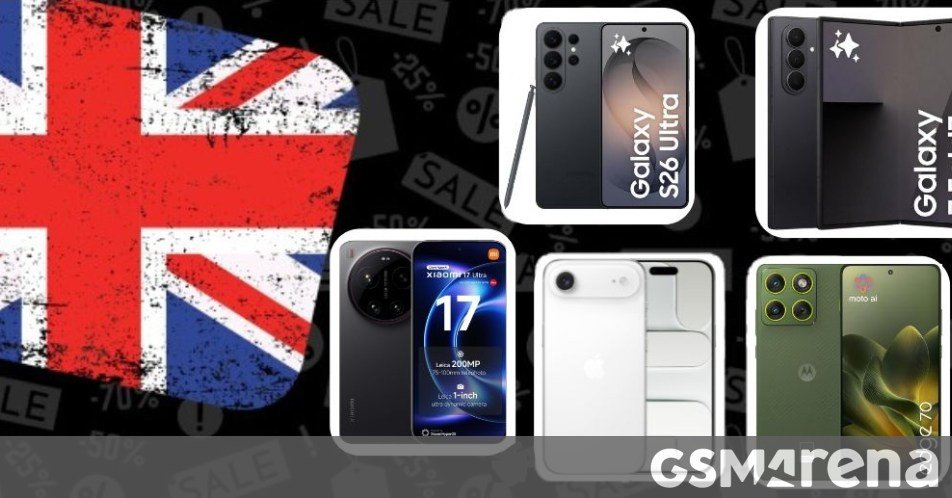
Major flagship and mid‑range models from Samsung, Apple, Google, Xiaomi, OnePlus, Motorola and Nothing are now cheaper by £100‑£250 on Amazon UK, giving consumers a chance to upgrade without breaking the budget.
Samsung’s flagship line gets a £100‑£200 trim
Samsung is pushing the Galaxy S26 and S26 Ultra down by £100 each, while the Galaxy S25 FE drops £130 with a voucher code. The price cut brings the 12 GB/256 GB S26 to £779 and the 12 GB/512 GB S26 Ultra to £1,349, a level that rivals the previous generation’s launch price.
The Galaxy Z Fold7, Samsung’s newest foldable, is now £200 off, putting the 12 GB/512 GB model at £1,699. For users who have been waiting for a more affordable entry into the foldable market, the discount narrows the gap between the Fold7 and the older Z Flip 7, making Samsung’s multitasking‑focused hardware more accessible.
Apple trims older flagships, keeps the Air competitive
Apple’s iPhone 16 (the 2024‑year model) is now £100 cheaper, with the 128 GB variant at £599. The iPhone Air sees a larger cut – up to £250 depending on storage – with the 512 GB version at £999 and the 1 TB model at £1,149. While the Air is technically a step below the iPhone 16 Pro line, the discount narrows the price gap and may entice users who want a large‑screen iOS device without paying premium Pro prices.
Google’s Pixel 10 family offers solid value
The Pixel 10 drops £250 to £549 for the 128 GB model, and the Pixel 10 Pro XL is £300 off, now £899 for the 12 GB/256 GB variant. The Pro XL version adds a larger 6.7‑inch OLED panel, a triple‑camera array with a 50 MP main sensor, and a 5,000 mAh battery, making it a compelling choice for Android purists looking for flagship performance at a mid‑range price.
Xiaomi continues aggressive pricing on its 17 series
Xiaomi’s Mi 17 is £200 cheaper, now £699 for the 12 GB/256 GB model, while the Mi 17 Ultra gets a £100 cut, landing at £1,199 for the 16 GB/512 GB version. The Ultra variant keeps its flagship‑grade Snapdragon 8 Gen 5 processor, a 108 MP main sensor and a 5,000 mAh battery, but the discount makes it competitive against the Samsung S26 Ultra in the same price bracket.
The Redmi Note 15 Pro and Pro+ also see reductions of £70 and £100 respectively, targeting the large‑screen, high‑resolution mid‑range segment with 6.83‑inch displays and 200 MP cameras.
OnePlus, Motorola and Nothing round out the list
OnePlus’s 15R is now £135 off, priced at £514 for the 12 GB/256 GB model. It runs the Snapdragon 8 Gen 5 and packs a 7,400 mAh battery with 80 W wired charging – a solid mix of performance and endurance.
Motorola’s Edge 70 drops £205 to £495 for the 12 GB/512 GB configuration. Powered by the Snapdragon 7 Gen 4, it offers a 6.7‑inch AMOLED screen and a 4,800 mAh battery, appealing to users who prefer a more modest chipset but still want a premium display.
Finally, the Nothing Phone (3) receives a £100 discount, now £799 for the 12 GB/512 GB model. Its distinctive transparent back and Matrix LED strip continue to set it apart in a crowded market.
Why these discounts matter for the ecosystem
Price reductions on flagship devices often signal a shift in the manufacturers’ sales strategy. Samsung and Apple are clearing inventory ahead of the expected Q3 releases, while Google, Xiaomi and OnePlus use discounts to grow market share in regions where price sensitivity is high.
For consumers, the lower entry point reduces the lock‑in effect of premium ecosystems. A cheaper Samsung Fold7 makes the Android foldable experience more reachable, potentially pulling users away from Apple’s static form factor. Likewise, a discounted iPhone Air may keep iOS users within Apple’s ecosystem while still offering a device that can run the latest iOS 18 features.
Google’s Pixel discounts also reinforce the Android ecosystem’s diversity. By offering a high‑spec Pro model at a price close to Samsung’s S26 Ultra, Google encourages developers to target a broader range of hardware, which can improve app compatibility and performance across the platform.
Xiaomi’s aggressive pricing on the Mi 17 Ultra demonstrates how Chinese manufacturers continue to challenge Western flagships on price‑to‑performance ratios. This pressure forces competitors to either add value through software updates and services or to lower their own prices, ultimately benefiting the end user.
Bottom line
The current wave of discounts gives shoppers a rare chance to pick up a high‑end smartphone without paying the full launch premium. Whether you are looking for a foldable, a camera‑centric flagship, or a solid mid‑range device, the UK market this week offers options across the major ecosystems at prices that make upgrading a realistic prospect.
Comments
Please log in or register to join the discussion