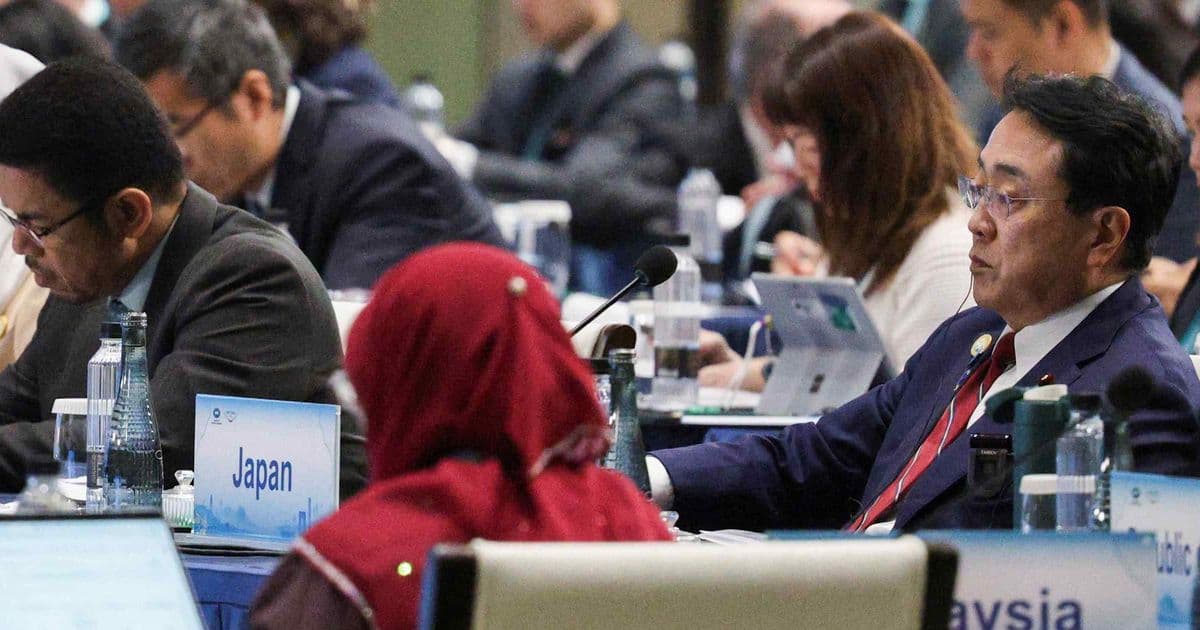
Senior officials from Japan and China met on the sidelines of the APEC summit in Suzhou, marking the first high‑level trade dialogue since November’s Taiwan‑related diplomatic standoff. The encounter, though brief, signals a tentative de‑escalation and could influence bilateral supply‑chain flows, tariff negotiations and regional trade policy ahead of the WTO’s next ministerial conference.
Business news
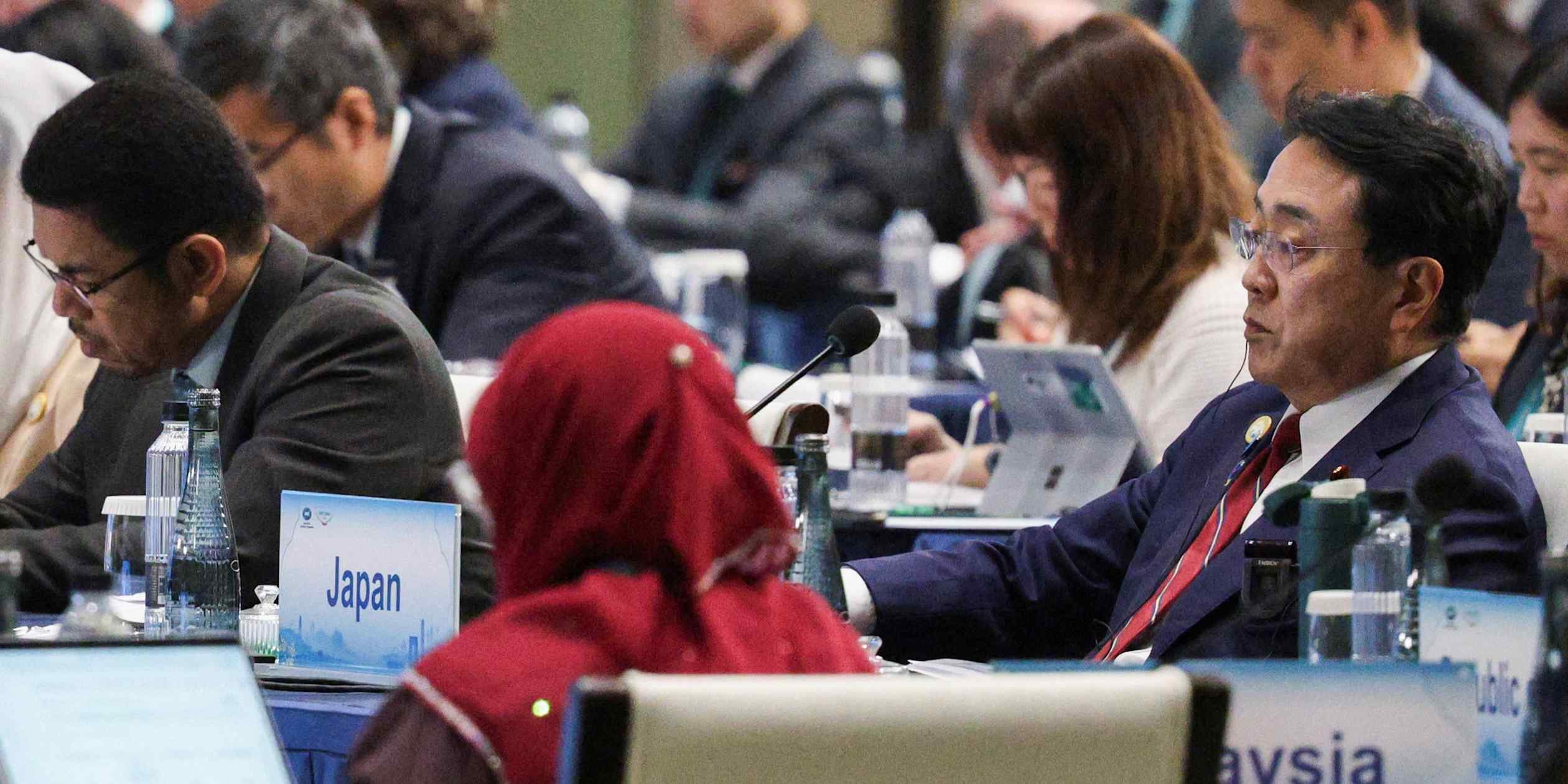
Senior Japanese officials, led by Economy, Trade and Industry Minister Ryosei Akazawa, sat down with Chinese Commerce Minister Wang Wentao on May 22 in Suzhou, China, during the Asia‑Pacific Economic Cooperation (APEC) summit. The meeting was the first direct trade‑level engagement between the two governments since Prime Minister Sanae Takaichi’s November remarks on Taiwan triggered a diplomatic freeze.
The two ministers exchanged a few minutes of remarks before returning to their respective delegations. While no joint communiqué was issued, the encounter was noted in the 21‑member APEC joint statement, which reaffirmed support for the World Trade Organization’s (WTO) multilateral system and called for “enhanced dialogue on trade and investment issues.”
Market context
The brief dialogue comes at a time when Japan‑China trade volumes have plateaued. In 2025, bilateral merchandise trade reached $212 billion, a 1.2 % increase from the previous year, but growth has slowed from the double‑digit expansions seen in the early 2020s. Key sectors—automobiles, high‑tech components, and agricultural products—have felt the impact of heightened geopolitical risk premiums, which have pushed export‑to‑import price spreads up by roughly 3.5 % year‑over‑year.
Two market forces make the meeting especially relevant:
- Supply‑chain realignment – Japanese firms have been diversifying production away from China, with estimates from the Japan External Trade Organization (JETRO) that $4.3 billion of new investment will be allocated to Southeast Asian factories by 2027. A modest thaw could slow that outflow and preserve the existing manufacturing base in the Yangtze River Delta.
- Tariff negotiations – Beijing has signaled willingness to reduce tariffs on about $30 billion of Japanese goods, mirroring the broader “lower‑tariff” agenda discussed in recent U.S.–China talks. If realized, the tariff cut could boost Japanese automobile exports to China by an estimated 8 %, adding roughly ¥1.2 trillion ($9 billion) in annual revenue for the sector.
What it means
- Strategic de‑escalation – The meeting suggests both capitals recognize the economic cost of a prolonged standoff. While political disagreements over Taiwan remain, the willingness to engage on trade indicates a separation of commercial interests from security rhetoric.
- Investment outlook – Analysts at Nomura note that a stable dialogue could lower the risk discount applied to Japanese firms operating in China, potentially lifting the average equity premium on those stocks by 50‑70 basis points. This would make Japanese equities more attractive relative to regional peers, especially in the semiconductor and precision‑machinery segments.
- Policy coordination – The APEC joint statement’s emphasis on WTO support may pave the way for joint proposals at the upcoming WTO ministerial conference in Abu Dhabi. Coordinated positions on issues such as export‑control regimes and e‑commerce rules could help both nations shape global trade rules in ways that protect their market shares.
- Regional ripple effects – A softening of Japan‑China tensions could ease pressure on other APEC members that are caught between the two powers. For example, South Korea’s semiconductor exporters, which face dual‑use licensing scrutiny, may benefit from a more predictable trade environment.
Overall, the Suzhou encounter is a modest but measurable step toward normalizing economic relations. If the dialogue expands into concrete tariff reductions or joint supply‑chain initiatives, Japan could recoup $2‑3 billion in lost export value over the next two years, while Chinese manufacturers would regain a reliable source of high‑precision components.
The article draws on data from the Ministry of Economy, Trade and Industry, JETRO, and the WTO’s latest trade statistics.
Comments
Please log in or register to join the discussion