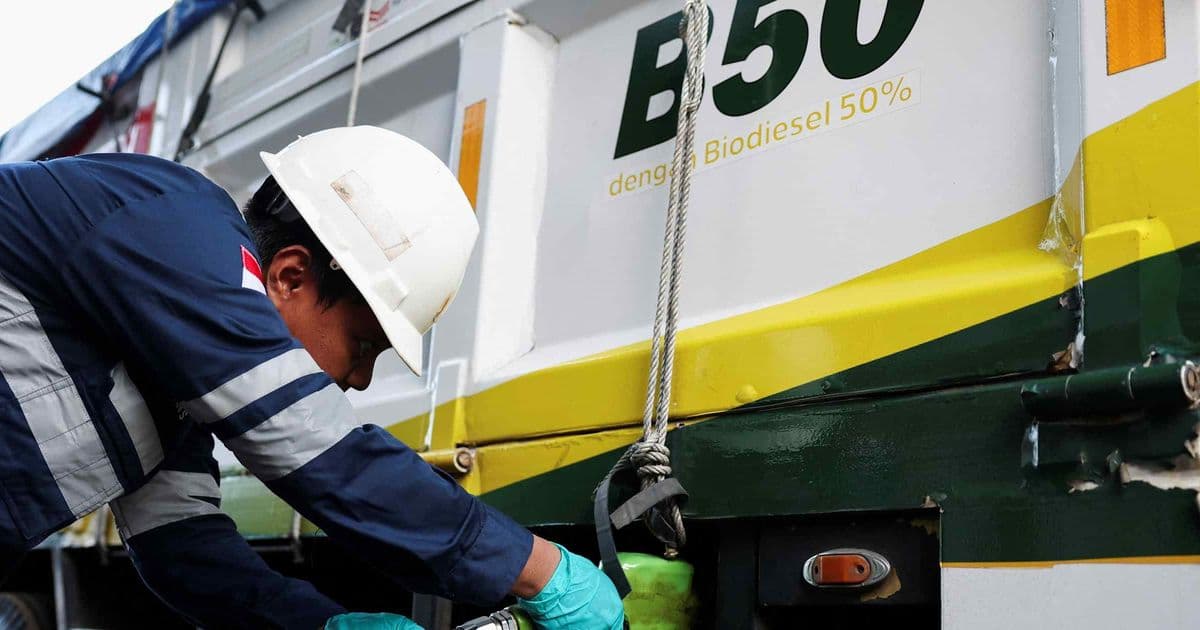
Indonesia, Malaysia and Thailand are expanding palm‑oil‑based biodiesel to curb fuel price spikes, but the shift is diverting cropland from food production and compressing export volumes, raising concerns about regional food security and trade balances.
Business news
Indonesia’s Ministry of Energy announced on April 21 that the country will roll out B50, a 50 % palm‑oil biodiesel blend, across the national diesel market by the end of 2026. Malaysia followed suit, raising the mandatory palm‑oil content in its biodiesel mix from 20 % to 30 % for the same period. Thailand’s government is reviewing a similar policy for 2027. The moves are framed as a response to volatile global oil prices and the need to reduce reliance on imported crude, but they also signal a rapid reallocation of agricultural resources toward fuel production.
Market context
- Crop allocation: In 2025, Indonesia harvested 56 million tonnes of crude palm oil (CPO), of which roughly 12 % was earmarked for biodiesel. Under the B50 mandate, that share is projected to rise to 22 % by 2028, according to data from the Indonesian Palm Oil Association. Malaysia’s palm oil output is expected to see a similar 10‑percentage‑point shift.
- Food‑fuel competition: The increase in biodiesel feedstock cuts the volume of CPO available for cooking oil and food‑grade exports. Indonesia’s edible‑oil exports fell 8.3 % in the first quarter of 2026, while domestic cooking‑oil prices rose 14 % year‑on‑year, according to the ASEAN Statistics Bureau.
- Export revenue impact: Palm oil export earnings, a key source of foreign exchange, are projected to dip from US$23.5 billion in 2025 to US$20.8 billion in 2028 under the new blend mandates. The loss is partially offset by higher biodiesel sales, estimated at US$1.9 billion in 2028.
- Regional trade balance: Vietnam and the Philippines, which import large quantities of Indonesian cooking oil, have already reported tighter supply and price spikes of 9‑12 % in February 2026. The ripple effect could widen the current account deficits of these economies, which were already under pressure from the Iran‑Ukraine conflict‑driven commodity price surge.
- Energy security calculations: The biodiesel rollout is expected to shave 1.2 million barrels per day off Indonesia’s imported diesel demand, saving roughly US$1.4 billion in foreign exchange outflows annually. However, the net energy security gain is moderated by the lower energy density of biodiesel, which raises fuel consumption per kilometre for heavy‑duty trucks by about 4 %, according to a study by the University of Jakarta’s Transport Institute.
What it means
- Food security risk: The reallocation of palm oil from food to fuel tightens domestic cooking‑oil supplies, raising inflationary pressure on household budgets. With ASEAN inflation already above 5 % in Indonesia and Malaysia, policymakers may need to consider targeted subsidies or price caps to avoid a surge in food‑price‑related unrest.
- Export strategy shift: Export‑dependent palm‑oil exporters will need to diversify product mixes, potentially moving up the value chain toward refined oleochemicals or specialty fats that are less sensitive to fuel‑blend mandates.
- Investment outlook: The biodiesel expansion is attracting US$4.2 billion in new plant capacity commitments from both state‑owned firms and private investors, primarily for trans‑esterification units and storage infrastructure. Companies that can integrate feedstock sourcing with downstream processing stand to capture higher margins.
- Policy trade‑offs: While the biodiesel push improves energy self‑sufficiency, it also exposes the region to a classic food‑fuel dilemma. Governments may need to balance blend ratios with strategic grain reserves or incentivize alternative feedstocks such as jatropha or algae, which have lower food‑crop competition.
- Long‑term outlook: If global oil prices stabilize above US$90 per barrel, the economic case for high‑blend biodiesel weakens, potentially prompting a rollback of mandates. Conversely, prolonged price volatility could cement biodiesel’s role in the energy mix, cementing Southeast Asia’s position as a major biofuel exporter but also cementing the food‑fuel tension.
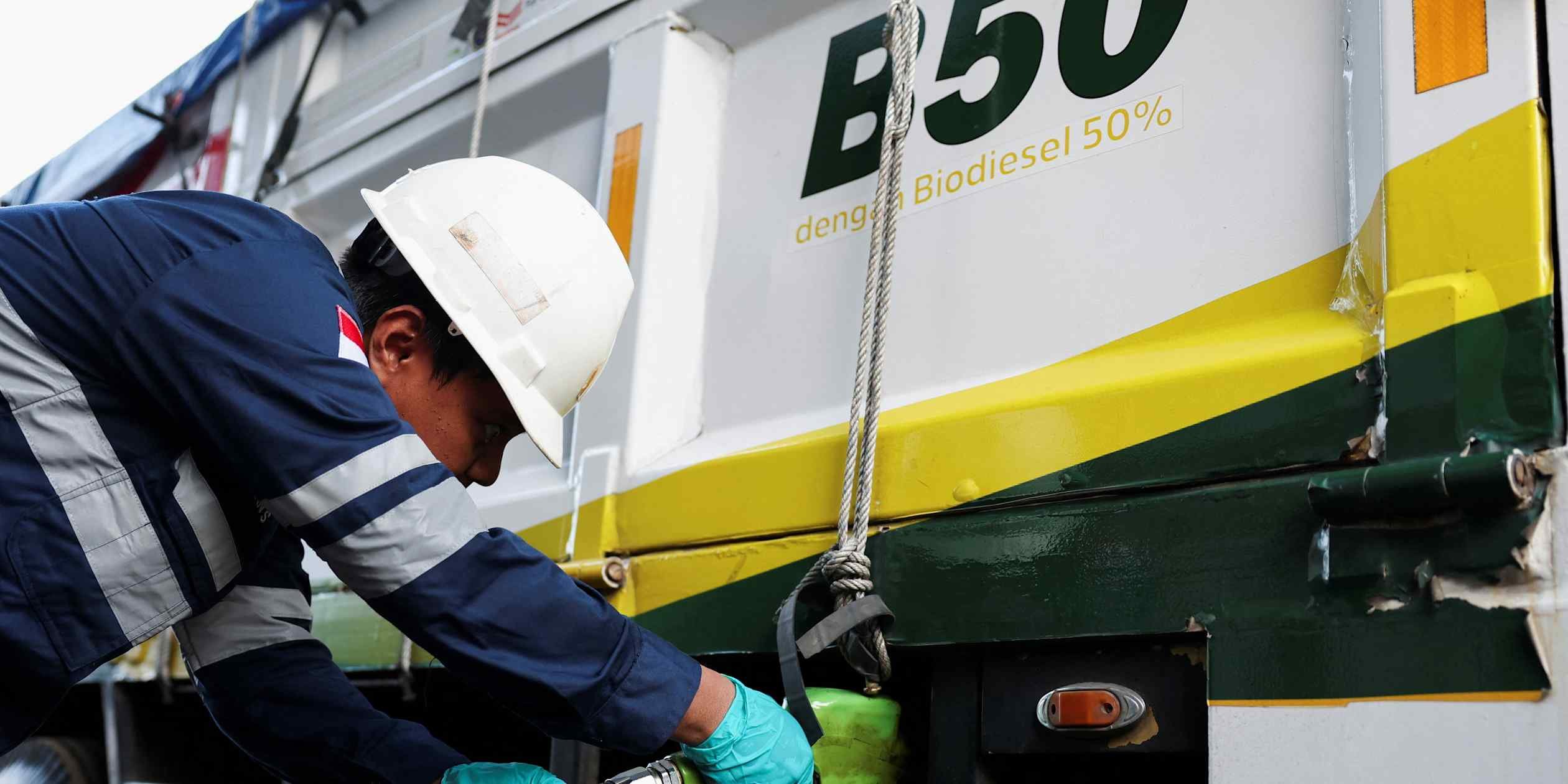
The image shows a biodiesel‑fuelled truck on a test run in Cirebon, illustrating the region’s shift toward palm‑oil blends.
Comments
Please log in or register to join the discussion