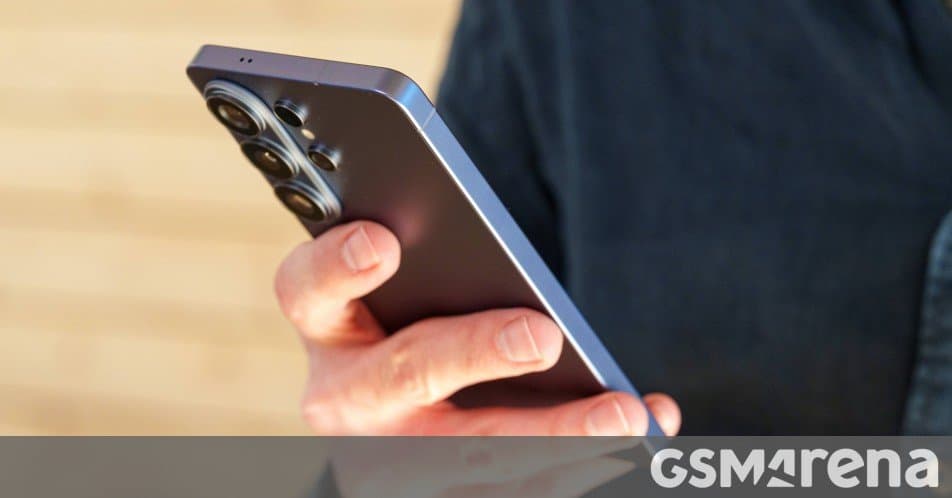
iFixit's teardown of the Samsung Galaxy S26 Ultra shows easier battery replacement than previous models, but repairability remains limited compared to early Galaxy phones with user-replaceable batteries.
The Samsung Galaxy S26 Ultra has undergone its first professional teardown by iFixit, revealing both improvements and persistent limitations in the device's repairability. While Samsung has made progress on certain aspects of the phone's design, the overall repair experience still falls short of the user-replaceable battery era that many enthusiasts miss.
Back-entry design remains standard
As with most modern smartphones, the S26 Ultra requires users to access internal components through the back glass panel. The process begins by heating the adhesive that secures the back cover, a familiar ritual for repair technicians. Once inside, the phone's architecture presents both conveniences and frustrations.
Battery replacement gets easier
The most significant improvement highlighted in the teardown concerns the battery removal process. Samsung has refined its battery release mechanism, making it notably simpler than previous iterations. iFixit even compared it favorably to Apple's approach, suggesting Samsung has learned from industry best practices. This is particularly noteworthy given how battery degradation remains one of the most common reasons users seek repairs or replacements.
Mixed bag for other components
The USB port stands out as another easily replaceable component, addressing a common failure point in smartphones. However, other aspects of the design remain cumbersome. The display connector's placement means that screen replacement requires essentially disassembling the entire phone - a far cry from the simplicity of earlier models where the screen could be accessed more directly.
Camera repairs present their own challenges. All rear cameras connect to the mainboard from underneath, necessitating mainboard removal for any camera replacement. The selfie camera proves equally stubborn, resisting easy removal. These design choices compound the difficulty of what should be relatively straightforward repairs.
Repairability score: Modest improvement
Based on these factors, iFixit assigned the S26 Ultra a provisional repairability score of 5 out of 10. This middling rating reflects the phone's mixed design philosophy - some thoughtful improvements alongside persistent obstacles. The score could potentially rise to 6 out of 10 if Samsung were to improve spare parts availability, matching the Pixel 10 family and coming within one point of the latest iPhones.
The nostalgia for user-replaceable batteries
Reader comments on the teardown reveal a strong undercurrent of nostalgia for the early Galaxy phones that featured user-replaceable batteries. As one commenter pointedly observed, the S26 Ultra remains "still way more difficult than in their first 5 versions of the phone where the battery was user replaceable." The transition away from this feature in version 6 represents, in their view, "a momentous step back" that Samsung is only now slowly addressing - "11 years too late."
This sentiment captures a broader frustration among tech enthusiasts who remember when battery swaps took seconds rather than requiring specialized tools and expertise. The current design, while more water-resistant and structurally sound, creates barriers between users and basic maintenance of their devices.
Looking ahead
The S26 Ultra's teardown reveals a company cautiously improving repairability without fundamentally rethinking the sealed-device paradigm that dominates modern smartphone design. While easier battery replacement represents meaningful progress, the overall experience still requires professional intervention for many common repairs.
The 5 out of 10 score suggests there's considerable room for improvement. Future iterations might benefit from reconsidering component placement, enhancing spare parts programs, and perhaps most radically, exploring ways to recapture some of the user-serviceability that defined earlier smartphone eras. Until then, the S26 Ultra represents incremental progress rather than the kind of repair-friendly revolution that many users still hope to see.
Comments
Please log in or register to join the discussion