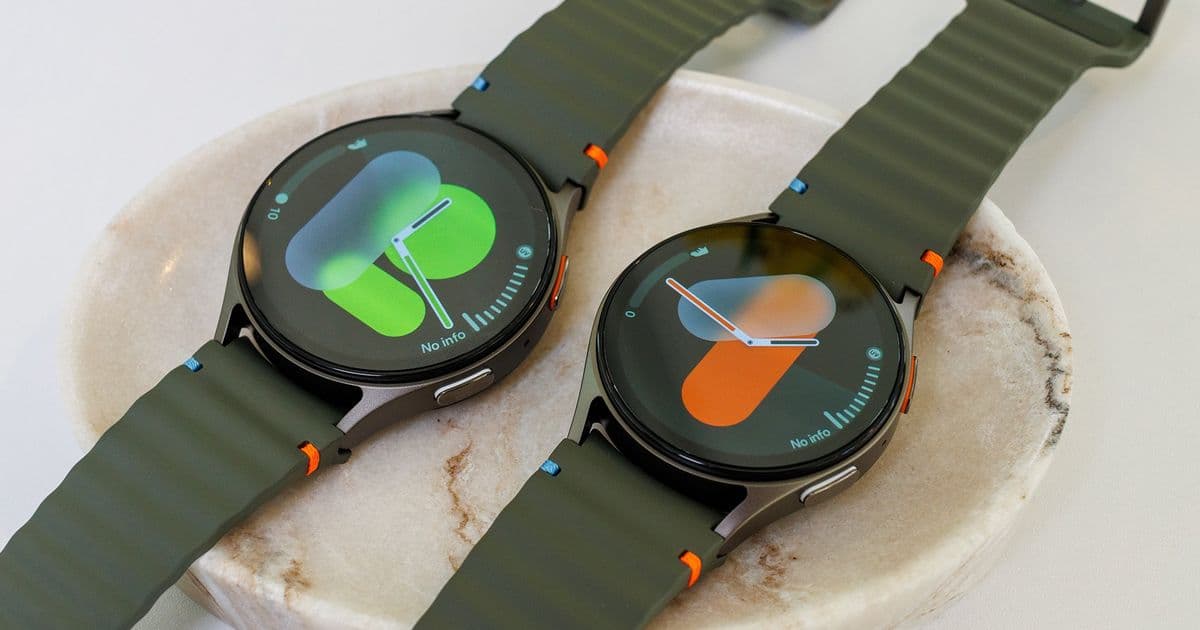
Galaxy Watch users across multiple models report severe battery drain and performance issues following recent firmware updates, with some watches lasting only 4-5 hours on a full charge.
Samsung's Galaxy Watch lineup has long been praised for its reliable battery life and smooth performance, but recent firmware updates appear to have introduced significant problems for users across multiple models. The r/GalaxyWatch subreddit has become a hub for frustrated owners reporting severe battery drain issues that have transformed their once-dependable smartwatches into devices that struggle to last through a single day.
The complaints span across Samsung's entire current lineup, suggesting this isn't an isolated issue affecting a single model. Galaxy Watch 7 owners report that their devices, which previously offered all-day battery life, now struggle to maintain charge after the latest update. One user described how their watch began draining rapidly following last month's firmware, with a temporary fix achieved through restarting the device—though the problem returned after approximately one week.
Perhaps most concerning are reports from Galaxy Watch 5 Pro users, who have seen their battery performance plummet dramatically. Users who previously enjoyed more than 24 hours of use on a single charge now find their watches barely lasting four to five hours. This represents a catastrophic failure in battery management that renders the device nearly unusable for its intended purpose as a day-long companion.
Multi-device owners are experiencing the issue across their entire Galaxy Watch collection. One particularly vocal user, who owns the Galaxy Watch 6, Galaxy Watch 7 Classic, and the newly released Galaxy Watch Ultra 2025, reports consistent battery drain across all three devices. The Watch Ultra, which previously delivered an impressive four days of battery life with Always On Display disabled, now struggles to last two days—a 50% reduction in runtime that significantly impacts the device's utility.
Performance issues extend beyond battery life. Galaxy Watch 6 owners report delayed notifications, with alerts arriving several seconds after raising their wrist to check the time. More troubling are reports of the watch continuing to ring or glitch even after incoming calls have been answered on connected phones, suggesting deeper system-level problems introduced by the update.
These widespread issues raise questions about Samsung's quality assurance processes for firmware updates. The fact that problems affect devices across different generations and price points suggests a fundamental issue with the update itself rather than device-specific bugs. Users who invested in premium models like the Watch Ultra, expecting flagship-level reliability and battery performance, are particularly disappointed by the regression in functionality.
Currently, Samsung has not issued an official statement addressing these widespread complaints or provided a timeline for a fix. The company's typical approach to software issues involves rolling out incremental updates, but given the severity and breadth of these problems, users are hoping for a more urgent response.
In the meantime, some users report temporary relief through device restarts, though this workaround proves inconsistent and impractical for daily use. The temporary nature of this fix—lasting only about a week for some users—means that affected owners must choose between frequent restarts or accepting severely degraded battery life.
The situation highlights the delicate balance smartwatch manufacturers must maintain when pushing updates to devices that users depend on throughout their day. Unlike smartphones, which can often be charged opportunistically, smartwatches are expected to provide reliable all-day performance without constant attention to battery levels. When updates compromise this fundamental expectation, it undermines user trust and satisfaction.
For now, Galaxy Watch owners experiencing these issues may want to monitor Samsung's support channels for official updates while exploring battery-saving measures such as reducing Always On Display usage, limiting background app refresh, and disabling unnecessary features. However, these steps represent compromises that users shouldn't have to make on devices that previously delivered better performance.
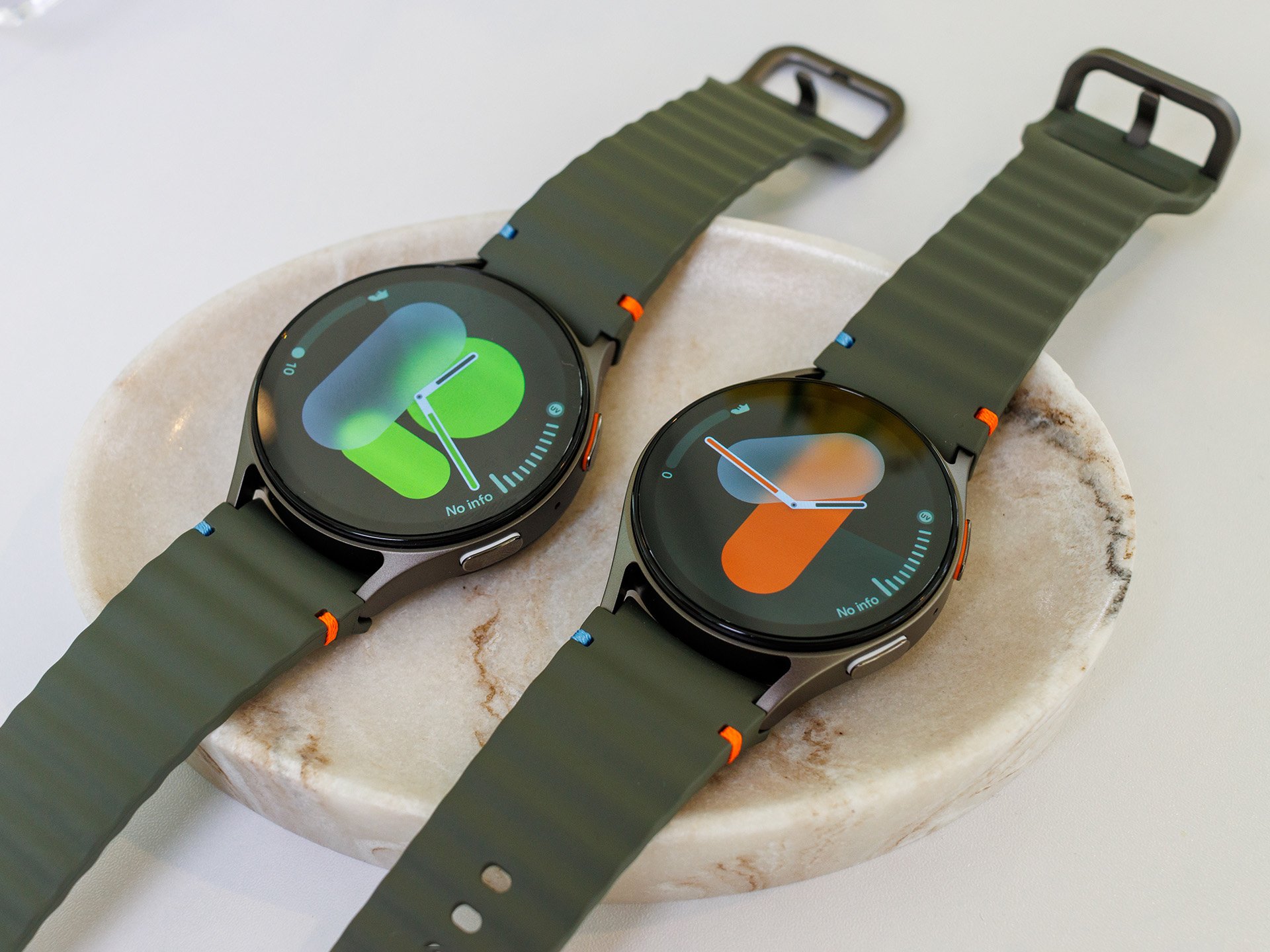
The broader implications extend beyond immediate user frustration. This incident may influence purchasing decisions for potential smartwatch buyers, who might now hesitate before committing to Samsung's ecosystem given the potential for update-related issues. Competitors like Apple and Garmin will likely monitor this situation closely, as it presents an opportunity to highlight their own update reliability and battery performance.
As Samsung works to address these issues, the incident serves as a reminder of the importance of thorough testing before rolling out updates to critical device functions like battery management. For a company that has built its reputation partly on reliable smartwatch performance, resolving these issues quickly and transparently will be crucial to maintaining user confidence in the Galaxy Watch brand.
Comments
Please log in or register to join the discussion