
A newly uncovered Samsung patent reveals a sliding/rollable smartphone where the rear cameras travel with the extending display, allowing a thinner chassis. The article breaks down the design, compares it to previous rollable concepts, and assesses who might benefit if the prototype reaches market.
Samsung’s sliding‑rollable phone could sport a side‑mounted camera module for a slimmer profile
A patent filed by Samsung in June 2023 and published on May 5 2026 shows a smartphone that slides to the left, extending its display while the rear cameras glide along the moving panel. The idea is simple yet clever: keep the camera stack off the main rollable screen, letting the device stay thinner than current rollable phones where the lenses sit on top of a flexible panel.
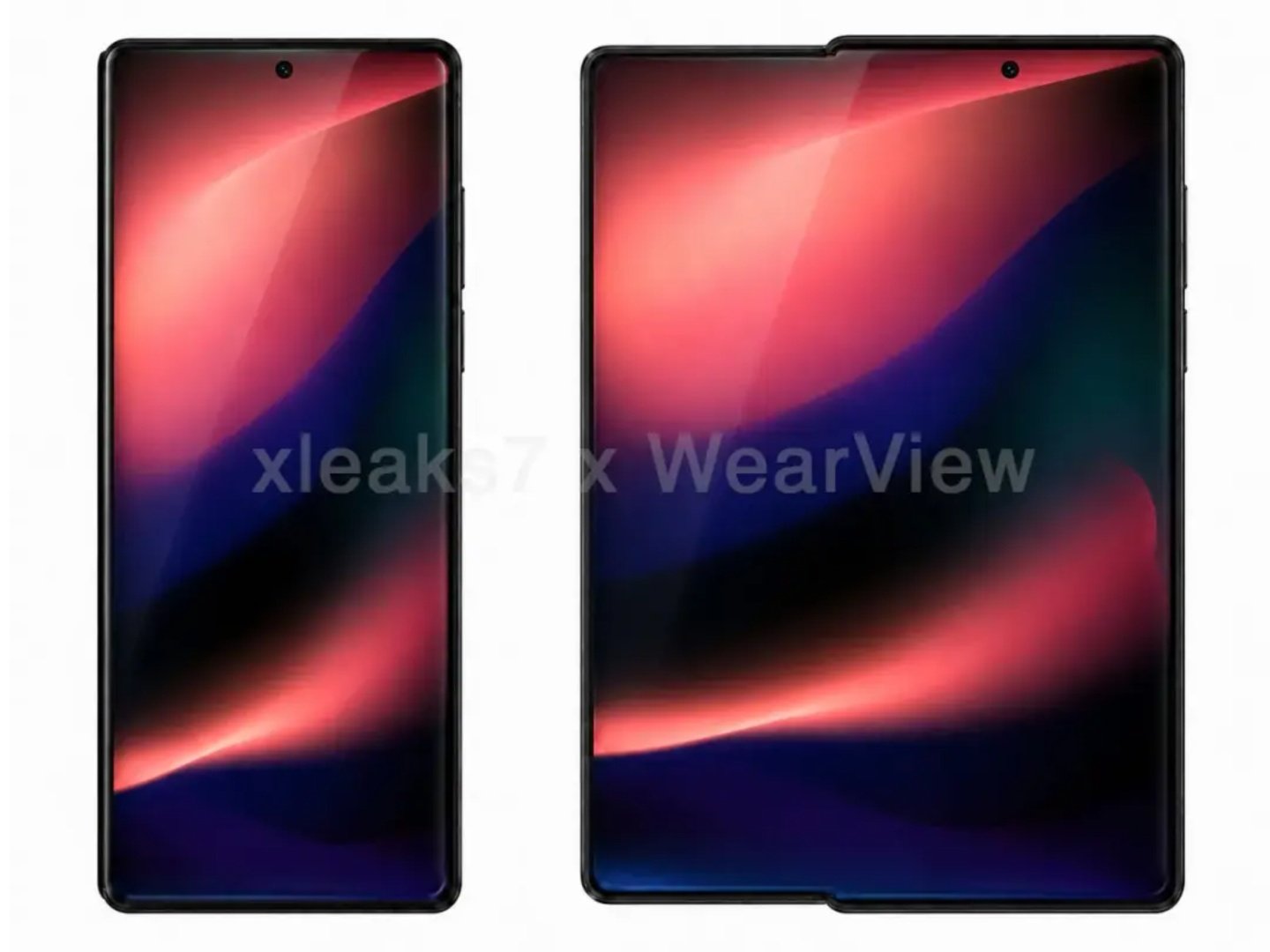
What the patent reveals
- Sliding mechanism – The handset resembles a traditional bar phone when closed. A thin rail on the left side houses a motor‑driven track. When the user slides the phone open, the display unfurls like a scroll, exposing a larger viewing area.
- Side‑mounted camera array – Two rear lenses sit in a cut‑out on the sliding segment. As the screen slides, the lenses move with it, staying flush with the device’s outer surface. This eliminates the need for a protruding camera bump on the front face of the rollable panel.
- Slimmer chassis – By relocating the optics to the sliding arm, Samsung can reduce the overall thickness of the closed phone to around 6 mm, comparable to the thinnest flagship slabs on the market today.
- Potential sensor layout – The patent sketches a 48 MP primary sensor paired with a 12 MP ultra‑wide unit. Both are positioned side‑by‑side, which could simplify alignment and keep the optical path short, improving image quality at the edges of the extended display.
How it stacks up against earlier rollable concepts
| Feature | Samsung sliding‑rollable (patent) | LG Rollable (concept, 2024) | Samsung Galaxy Z Fold 5 (current) |
|---|---|---|---|
| Display extension method | Horizontal slide, screen rolls inside body | Vertical slide, screen slides along side | Foldable hinge, front‑to‑back opening |
| Camera placement | Integrated on sliding panel, moves with screen | Vertically stacked on stationary edge | Bump on back panel, static |
| Closed thickness (estimated) | ~6 mm | ~7 mm | 6.9 mm |
| Primary use case | Larger, uninterrupted viewport for media & multitasking | Compact form factor with extended screen | Tablet‑like productivity |
The LG Rollable placed its lenses on the stationary side, which meant the camera module stayed visible even when the screen was fully extended. Samsung’s approach hides the lenses behind the sliding arm, so the user sees a clean, uninterrupted surface when the phone is open. Compared to the Z Fold 5, the new design could offer a slimmer closed form factor while still delivering a sizable screen.
Why the side‑mounted cameras matter
- Reduced glare and reflections – When lenses sit on a flexible OLED, the curvature can cause unwanted reflections. Keeping the optics on a rigid sliding segment avoids this issue.
- Better sensor protection – A sliding rail can incorporate a sealed channel, shielding the lenses from dust and moisture better than a flexible panel that bends around a camera bump.
- Simplified software calibration – Since the camera moves with the display, the relative position between lens and screen stays constant, making image‑stabilization and AR overlays easier to manage.
Possible trade‑offs
- Mechanical complexity – Adding a motor‑driven slide plus a rolling display introduces more moving parts than a static slab, potentially affecting durability.
- Weight distribution – The sliding arm will be slightly heavier due to the camera module, which could shift the phone’s balance when opened.
- Cost – Precision rails and a flexible display stack are still premium components; expect a price tag north of $1,200 if the concept reaches production.
Who might want this phone?
- Mobile creators – Photographers and vloggers who need a large screen for framing shots but also demand a thin, pocket‑friendly device will appreciate the unobstructed view and the protected camera system.
- Power users – Multitaskers who run multiple apps side‑by‑side benefit from the extra horizontal real estate without carrying a separate tablet.
- Design enthusiasts – Early adopters who enjoy novel form factors will likely be the first to test a sliding‑rollable hybrid.
Outlook
Samsung has filed several patents for rollable and sliding phones over the past two years, including a smaller Flip‑style slider and a concept that rolls the display into the back of the device. While none have materialised yet, the company’s recent statement about prototyping a sliding handset suggests the idea is moving beyond the drawing board.
If the engineering challenges can be tamed, a side‑mounted camera on a sliding/rollable phone could set a new benchmark for thinness without sacrificing imaging performance. Until a production sample appears, the concept remains speculative, but the patent gives a clear glimpse of where Samsung might head next.
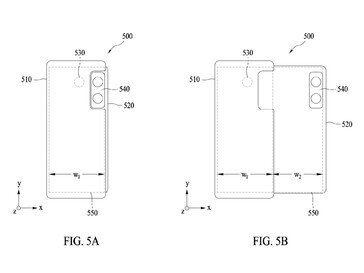
Illustration from the official USPTO filing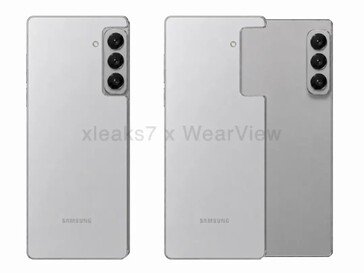
Unofficial concept render based on the patent, circulated by xleaks7
Sources: Wearview, xleaks7 on X, USPTO Patent Database
Comments
Please log in or register to join the discussion