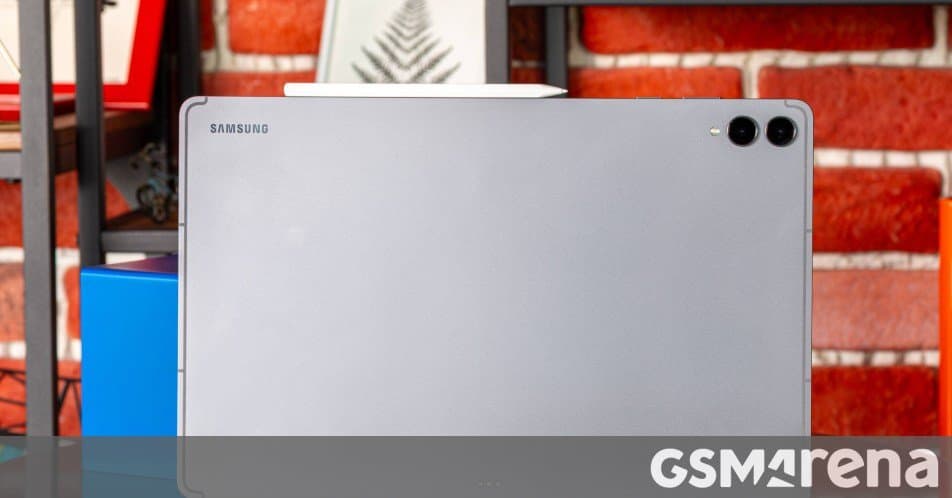
Samsung is expanding its partnership with MediaTek by incorporating the Dimensity 9500 chipset in its upcoming Galaxy Tab S12 series, marking a significant development in the tablet processor landscape.
Samsung is set to continue its collaboration with MediaTek by utilizing the Dimensity 9500 chipset in its upcoming Galaxy Tab S12 series, according to evidence uncovered in the code of Samsung's AI Core app. This development represents an evolution in Samsung's tablet strategy, building upon the relationship established with the Dimensity 9400+ in the previous Tab S11 lineup.
The discovery, made through code references that explicitly mention the Dimensity 9500 by its model number, provides concrete evidence of Samsung's plans to leverage MediaTek's latest silicon. While the specific device model hasn't been confirmed, industry analysts point to the Galaxy Tab S12 series as the most likely recipient, following the established pattern of Samsung's tablet releases.
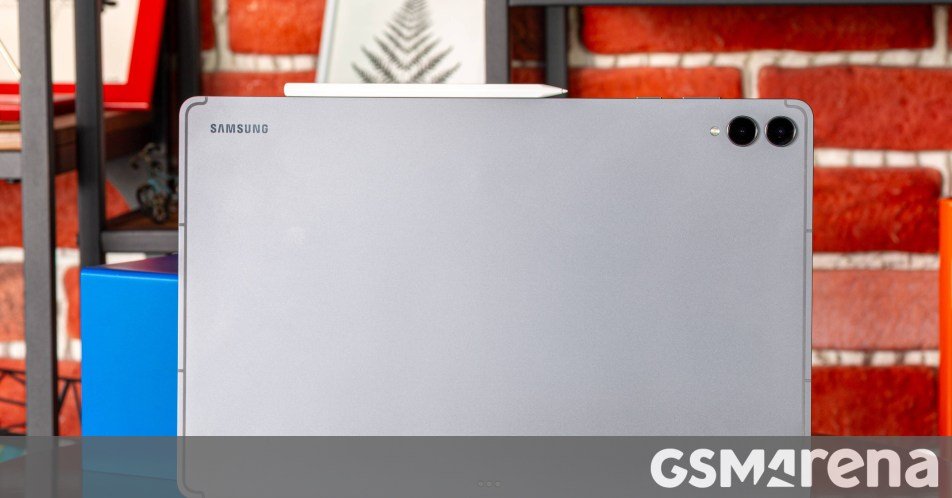
The Dimensity 9500: A New Performance Benchmark
MediaTek's Dimensity 9500 represents a significant leap forward in mobile processing technology. Building upon the architecture of its predecessor, the 9500 is expected to feature an octa-core design with improved efficiency and performance metrics. Early benchmarks suggest substantial gains in both CPU and GPU performance, positioning it as a formidable competitor to other flagship processors in the tablet space.
Key improvements expected in the Dimensity 9500 include:
- Enhanced AI processing capabilities with dedicated neural processing units
- Improved power efficiency for extended battery life
- Advanced gaming features with ray tracing support
- Superior multi-core performance for demanding productivity applications
The chipset is also anticipated to support advanced display technologies, including higher refresh rates and better color accuracy, which will complement Samsung's high-resolution AMOLED displays in the Tab S12 series.
Samsung's MediaTek Partnership Evolution
Samsung's adoption of MediaTek processors in its tablet lineup represents a strategic shift from its historical reliance on Qualcomm or in-house Exynos chips. The Tab S11 series marked the beginning of this partnership with the Dimensity 9400+, and the continued relationship with the 9500 suggests Samsung is finding value in MediaTek's offerings.
This collaboration benefits both companies:
- Samsung gains access to competitive processors without the premium pricing of Qualcomm's flagship chips
- MediaTek secures a major partner in the premium tablet market, enhancing its credibility
The timing of this announcement is particularly interesting, coming as Samsung prepares to unveil its next-generation tablets. With the Tab S11 series launched in early September 2025, industry observers expect the Tab S12 to follow a similar release schedule in 2026.
Competitive Landscape Implications
Samsung's decision to continue with MediaTek has significant implications for the tablet processor market. Qualcomm, which has traditionally dominated the premium Android tablet space, now faces increased competition from MediaTek's improved offerings.
The move also reflects a broader industry trend of diversification among device manufacturers. By utilizing MediaTek's silicon, Samsung reduces its dependency on a single supplier, potentially improving supply chain resilience and negotiating power.
For consumers, this competition often translates to better value propositions. MediaTek's chips typically offer competitive performance at more price points, which could result in more feature-rich tablets at similar or lower price points.
What to Expect from the Galaxy Tab S12 Series
Based on the pattern established by the Tab S11 series, the Galaxy Tab S12 lineup will likely include:
- Galaxy Tab S12 (standard model)
- Galaxy Tab S12+ (larger display)
- Galaxy Tab S12 Ultra (flagship model with premium features)
The incorporation of the Dimensity 9500 across these models should deliver consistent performance improvements over the previous generation. Users can expect:
- Faster application loading times
- Smoother multitasking capabilities
- Enhanced gaming performance
- Improved AI-powered features
Samsung typically enhances its tablet experience with its One UI software layer, and the Tab S12 will likely launch with One UI 9, which is currently in beta for other Samsung devices. This software optimization combined with the new hardware should provide a refined user experience.
Ecosystem Considerations
Samsung's continued use of MediaTek processors raises interesting questions about the broader ecosystem strategy. While Samsung maintains its commitment to its own ecosystem through services like Samsung DeX, the use of MediaTek chips suggests a pragmatic approach to hardware selection.
This decision doesn't appear to impact Samsung's software ecosystem or its commitment to Android. Instead, it represents a hardware-level optimization focused on delivering the best possible experience at competitive price points.
For consumers invested in the Samsung ecosystem, this development is unlikely to have significant negative impacts. The company has demonstrated its ability to optimize its software for various hardware configurations, ensuring a consistent experience regardless of the underlying chipset.
As Samsung prepares to unveil its Tab S12 series later this year, all eyes will be on how the Dimensity 9500 performs in real-world usage. If the chipset delivers on its promise of improved performance and efficiency, it could solidify MediaTek's position as a major player in the tablet processor market and encourage other manufacturers to follow Samsung's lead.
Industry analysts will be particularly interested in comparing the Tab S12's performance against competing tablets using Qualcomm's latest Snapdragon processors, as this will provide valuable insights into the current state of mobile processor technology.
Comments
Please log in or register to join the discussion