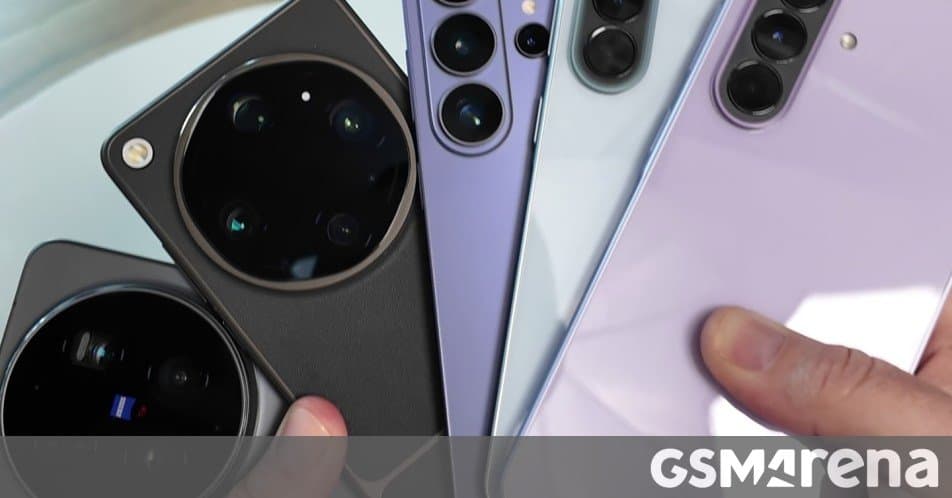
GSMArena pits flagship selfie cams against budget-friendly mid‑range phones in a blind video test, inviting readers to judge quality while highlighting specs, pricing and ecosystem implications.
Selfie Video Blind Test: Davids vs. Goliaths
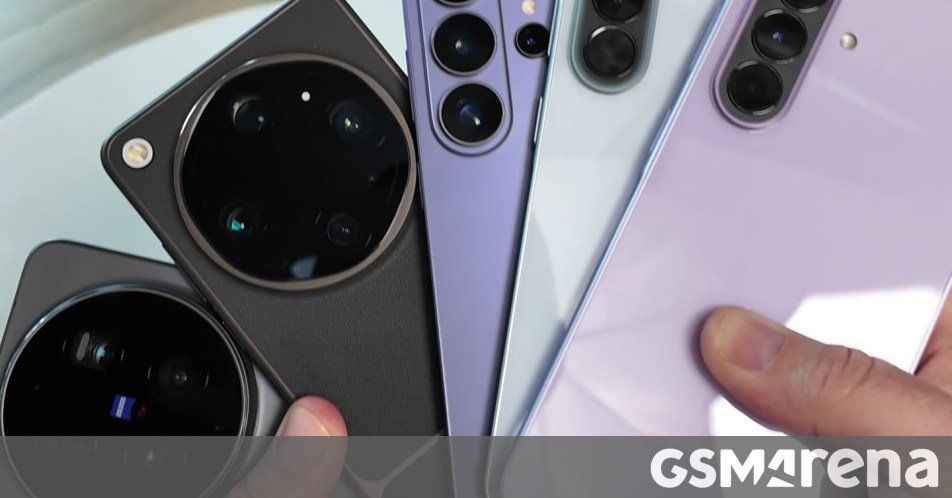
GSMArena has set up a blind test to see whether the selfie video performance of flagship phones truly outshines that of more affordable mid‑range devices. The lineup includes the vivo X300 Ultra, Oppo Find X9 Ultra, Samsung Galaxy S26 Ultra, and two Samsung mid‑range models – the Galaxy A37 and Galaxy A57. All five phones were filmed under identical lighting conditions, the clips were shuffled, and the source device was hidden from viewers. The goal is simple: let the community decide which video looks best, then reveal the results.
Key specifications
| Phone | Front sensor | Processor | RAM / Storage | MSRP (EUR) |
|---|---|---|---|---|
| vivo X300 Ultra | 50 MP | Snapdragon 8 Elite Gen 5 | 16 GB / 512 GB | 1 999 |
| Oppo Find X9 Ultra | 50 MP | Snapdragon 8 Elite Gen 5 | 16 GB / 1 TB | 1 999 |
| Samsung Galaxy S26 Ultra | 12 MP (optimized) | Snapdragon 8 Elite Gen 5 | 12 GB / 256‑512 GB | 988‑1 085 |
| Samsung Galaxy A37 | 12 MP (no AF) | Snapdragon 7 Series | 8 GB / 128‑256 GB | 430 |
| Samsung Galaxy A57 | 12 MP (no AF) | Snapdragon 7 Series | 8‑12 GB / 128‑256 GB | 373 |
The two flagships carry 50 MP front sensors, a resolution typically reserved for high‑end rear cameras. Their image‑signal processors (ISPs) are tuned for HDR video, on‑chip AI sharpening, and real‑time noise reduction. By contrast, the Samsung A‑series phones use 12 MP sensors without autofocus, relying on software tricks to keep faces in focus during motion.
Why the blind test matters
Real‑world performance vs. spec sheets
Manufacturers love to showcase raw megapixel counts, but selfie video quality depends on a mix of sensor size, lens aperture, ISP algorithms, and processing power. A 12 MP sensor with a fast ISP can sometimes produce smoother footage than a higher‑resolution module that lacks proper stabilization or autofocus.
Price‑to‑performance balance
The vivo X300 Ultra and Oppo Find X9 Ultra sit at the top of the price ladder – roughly €2 000 each. The Samsung Galaxy S26 Ultra is about half that price, while the A37 and A57 cost a fraction of the flagship price (around €430 and €373 respectively). If a mid‑range phone can deliver comparable selfie video quality, consumers gain a strong bargaining chip.
Ecosystem lock‑in considerations
All three flagships run on the Snapdragon 8 Elite Gen 5 and ship with Android 15, meaning they benefit from the latest camera‑API extensions and Samsung’s One UI enhancements. The mid‑range A‑series devices, however, are part of Samsung’s broader ecosystem: they share the same Samsung Cloud backup, Smart Switch migration tools, and the Galaxy Store’s ecosystem of accessories (e.g., the Galaxy Buds 2 Pro and the SmartTag +). For users already invested in Samsung’s ecosystem, a slightly lower video quality may be an acceptable trade‑off for the convenience of a unified experience.
How to participate
- Visit GSMArena’s TikTok, Instagram or YouTube channel where the five blind‑test videos are posted.
- Watch each clip (they play in random order and are labeled only as Phone 1 through Phone 5).
- Note which video you think looks the best in terms of sharpness, color accuracy, and stability.
- Leave your vote and any comments on the GSMArena article page.
- When the results are published, the site will reveal which phone corresponded to each label.
The high‑quality download link provided by GSMArena avoids the typical streaming compression, allowing a more accurate assessment of detail and bitrate.
What to expect from the results
Historically, flagship selfie modules excel in low‑light scenarios thanks to larger pixel sizes and aggressive AI noise reduction. Mid‑range phones often compensate with software‑based frame interpolation and digital stabilization. If the community votes the A‑series videos higher, it could signal that Samsung’s software pipeline is closing the gap with premium hardware.
Conversely, a clear win for the vivo or Oppo devices would reinforce the argument that sensor size and dedicated ISP hardware still matter most for premium selfie video.
Bottom line
The blind test is more than a fun poll; it offers practical insight into whether you need to spend a premium for selfie video quality or if a budget‑friendly Samsung can satisfy your social‑media needs. Keep an eye on the upcoming reveal, and feel free to share your thoughts in the comments – the collective verdict will help future buyers decide where to place their money.
Related reads:
Comments
Please log in or register to join the discussion