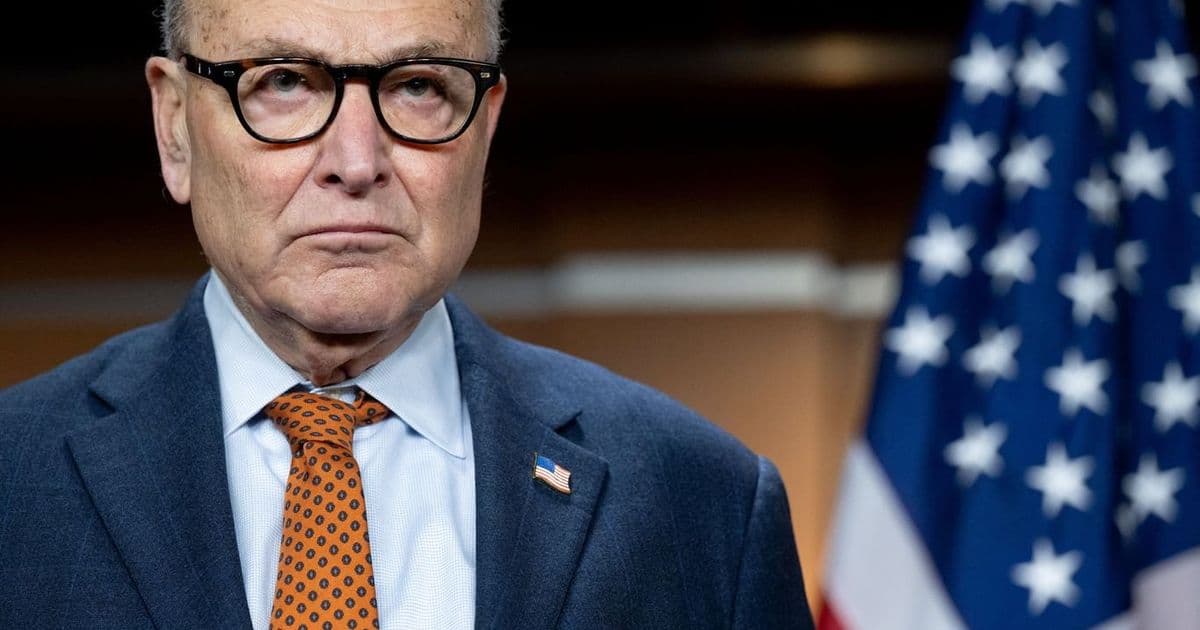
Senate Minority Leader Chuck Schumer's 2026 strategy focuses on flipping four Republican seats, positioning tech regulation and AI governance as central campaign issues that could reshape legislative priorities for Silicon Valley.
Senate Minority Leader Chuck Schumer has identified a narrow path back to the Democratic majority in 2026, targeting four Republican-held seats while preparing to leverage tech policy issues that resonate with suburban voters in key battleground states. The strategy, outlined in recent strategy sessions, centers on races in North Carolina, Ohio, Montana, and Texas—states where technology sector growth and regulatory concerns are increasingly shaping voter priorities.
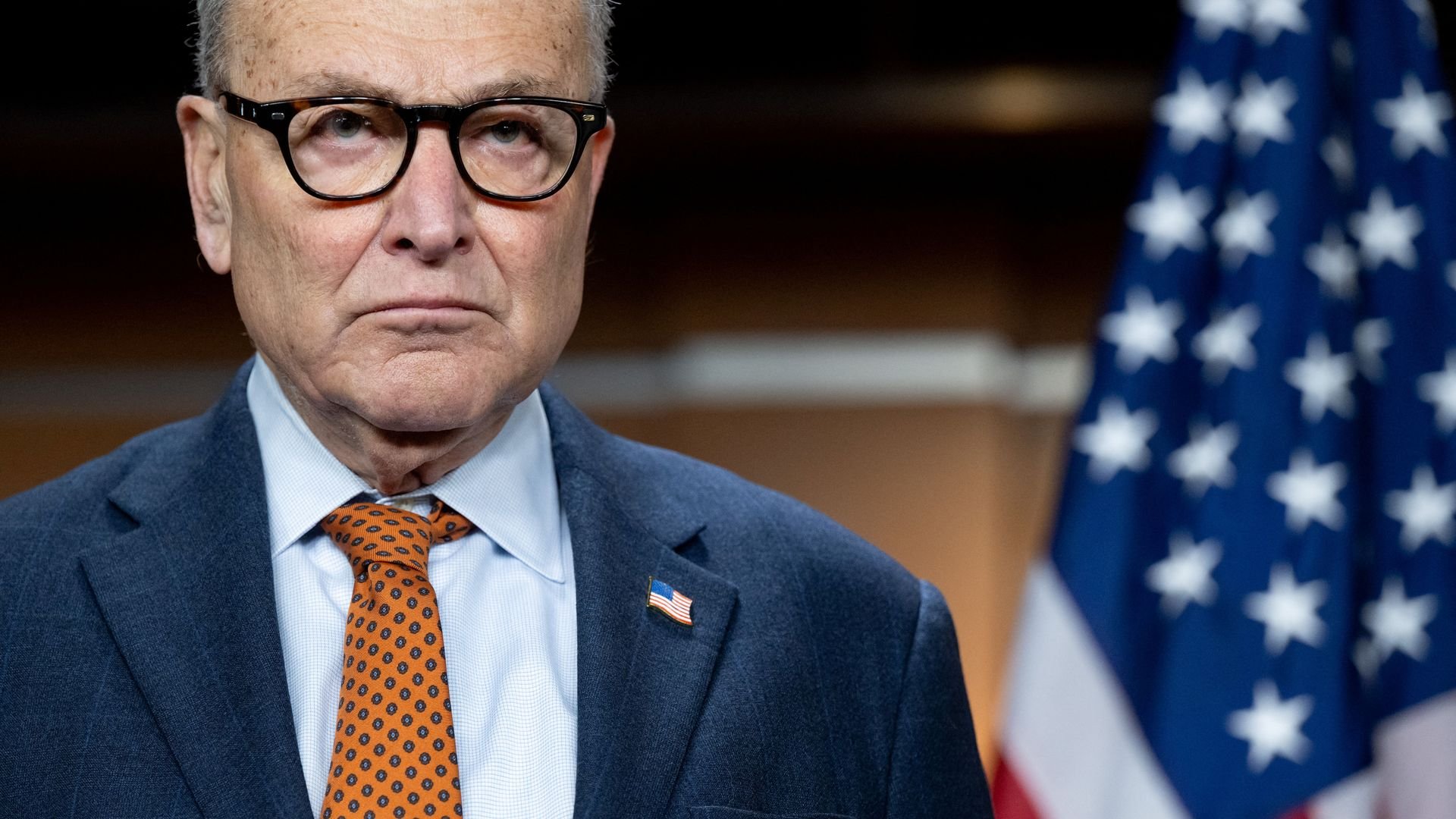
The Democratic leader's approach reflects a calculated bet that issues like AI governance, data privacy legislation, and semiconductor manufacturing incentives will drive voter engagement in districts with growing tech workforces. North Carolina's Senate race appears particularly promising for Democrats, with the state's Research Triangle region emerging as a major hub for AI and biotech companies. Schumer's team believes that Republican opposition to expanded CHIPS Act funding and AI safety regulations could alienate tech workers and suburban professionals who have become a decisive voting bloc.
In Ohio and Montana, the calculus involves connecting local manufacturing concerns to broader tech supply chain policies. Ohio's semiconductor corridor, anchored by Intel's $20 billion investment in Columbus, has created thousands of engineering jobs that Schumer's team believes could be swayed by arguments that Republican obstructionism threatens American competitiveness against China. Montana's race presents a different challenge, where the campaign must balance tech policy messaging with rural broadband expansion—a key issue for voters in the state's sprawling second district.
The Texas race represents Schumer's highest-risk, highest-reward opportunity. While the state remains reliably Republican in statewide races, the rapid growth of Austin's tech sector and the influx of tech workers to Dallas-Fort Worth has created demographic shifts that Democrats believe could make the state competitive by 2026. Schumer's strategy involves tying incumbent Senator John Cornyn's voting record on tech issues to broader concerns about Texas's business climate, particularly around social media regulation and cryptocurrency policy.
Behind the scenes, Schumer has been meeting with tech industry leaders to shape a legislative agenda that could serve as the campaign's policy backbone. Sources close to the Democratic leader indicate that a comprehensive AI regulatory framework, similar to the EU's AI Act but tailored for American innovation, will be ready for introduction in early 2025. This legislation would establish federal oversight for high-risk AI systems while providing liability protections for companies that meet safety standards—a compromise approach designed to appeal to both tech companies and safety advocates.
The strategy also includes positioning Democrats as defenders of American tech competitiveness against Chinese competition, countering Republican arguments that Democratic regulatory proposals would hamstring U.S. innovation. Schumer's team is preparing data-driven arguments showing that regulatory clarity, rather than regulatory absence, actually encourages investment and innovation—a direct challenge to the deregulation narrative that has dominated Republican tech policy.
Campaign finance filings reveal that Schumer's Senate Majority PAC has already begun allocating resources toward these races, with particular emphasis on digital advertising campaigns targeting tech workers and young professionals. The PAC has hired consultants with deep experience in tech sector outreach, including former employees of major Silicon Valley companies who understand how to craft messages that resonate with engineering talent.
The Democratic leader's personal involvement extends beyond traditional campaign support. Schumer has reportedly been hosting regular dinners with tech executives and venture capitalists in both Silicon Valley and emerging tech hubs like Miami and Austin, building relationships that could translate into both financial support and policy validation. These gatherings have included discussions about how federal policy can better support American innovation while addressing public concerns about tech's societal impact.
Republican strategists have taken notice of the Democratic focus on tech policy. Senate Leadership Fund, the super PAC aligned with Senate Republicans, has begun commissioning polling on how tech regulation issues play in key states, particularly among suburban voters. Early data suggests that Republican candidates may be vulnerable on issues like data privacy, where public opinion overwhelmingly supports stronger federal protections.
The 2026 map itself presents unique challenges for Republicans. They must defend seats in states that have trended Democratic in recent cycles, while also managing intraparty divisions over the proper role of government in regulating technology. Some Republican candidates in competitive states have begun distancing themselves from more strident anti-regulation positions, recognizing that voters want practical solutions to tech-related problems like social media's impact on children and the rapid deployment of AI systems.
Schumer's approach represents a significant evolution in how Democrats approach tech policy as a campaign issue. Rather than running against the tech industry, the strategy involves positioning Democrats as thoughtful regulators who can foster innovation while protecting consumers and workers. This nuanced approach may prove more effective than previous attempts to make tech regulation a partisan wedge issue.
The ultimate success of Schumer's plot will depend on whether these tech-focused messages can move voters in states where national trends don't always apply. But the early investment in policy development and campaign infrastructure suggests that Senate Democrats are serious about making technology governance a central battleground in their quest to retake the Senate majority in 2026.
Comments
Please log in or register to join the discussion