Three U.S. service members have been killed and five wounded in the escalating conflict with Iran, marking the first American casualties since joint U.S.-Israeli strikes began February 28.
The United States has confirmed that three American service members were killed and five others wounded in the ongoing conflict with Iran, marking a significant escalation in the regional crisis that began with joint U.S.-Israeli military strikes on February 28.
The casualties represent the first American deaths since the dramatic escalation that followed the confirmed death of Iranian Supreme Leader Ayatollah Ali Khamenei in the coordinated military operation. The strikes, which targeted key Iranian military and government installations, have triggered a series of retaliatory actions from Iranian forces and their regional proxies.
Military Response and Strategic Implications
The Pentagon has not yet released specific details about the circumstances surrounding the deaths of the three service members, but military sources indicate the casualties occurred during heightened defensive operations in the region. The wounded personnel are receiving medical treatment, with their conditions described as stable.
This development significantly alters the strategic calculus for U.S. military planners in the Middle East. The loss of American lives typically triggers calls for stronger military responses and could pressure the Biden administration to consider more aggressive options against Iranian targets.
Regional Tensions and Iranian Mourning
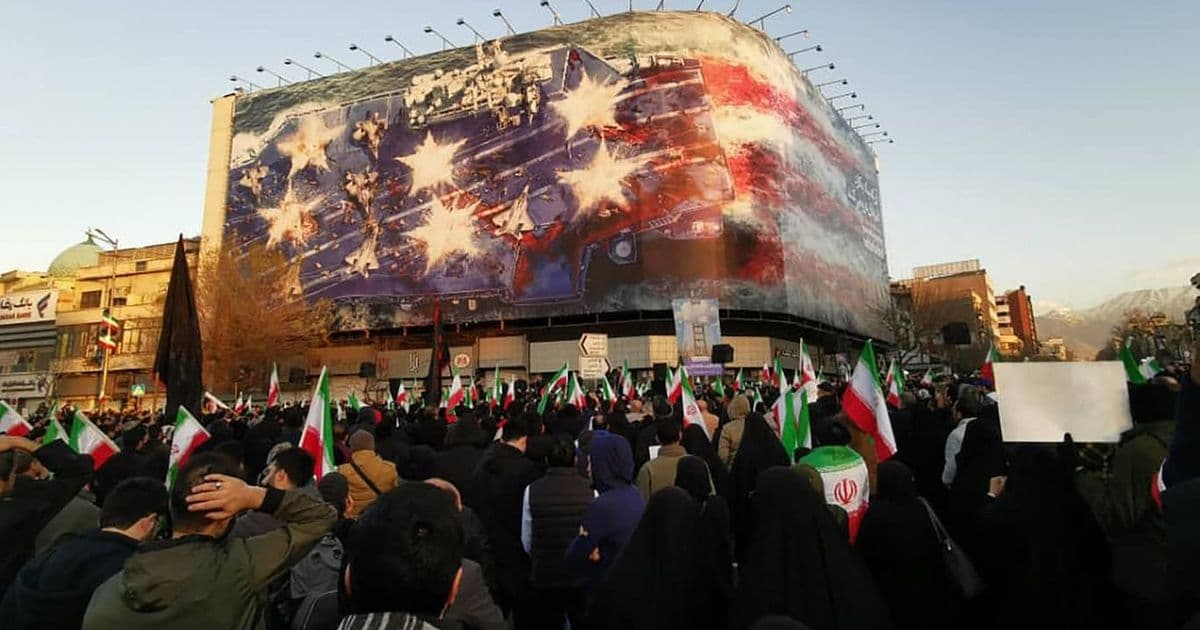
In Tehran, massive crowds have taken to the streets to mourn Supreme Leader Ayatollah Ali Khamenei following confirmation of his death in the U.S.-Israeli strikes. The public displays of grief underscore the deep emotional and political impact of losing Iran's most powerful figure, who had led the country for over three decades.
Iranian state media has portrayed Khamenei's death as martyrdom, potentially galvanizing support for more aggressive retaliation against American and Israeli interests. The succession process in Iran remains uncertain, with various factions competing for power in what could become a period of significant instability.
Economic and Security Market Impact
The conflict has already begun affecting global markets, with oil prices experiencing volatility as traders assess the potential for supply disruptions from the Persian Gulf region. Insurance rates for shipping through the Strait of Hormuz have increased, and several international companies have begun evacuating non-essential personnel from the region.
Military analysts note that the conflict represents one of the most significant escalations between the U.S. and Iran in recent years, potentially drawing in other regional powers and complicating diplomatic efforts to contain the situation.
International Response
Allied nations have expressed concern about the escalation while stopping short of direct criticism of the U.S.-Israeli operation. European Union officials have called for restraint on all sides, warning that further escalation could lead to a broader regional conflict.
Russia and China have condemned what they describe as provocative actions by the United States and Israel, with both nations warning of serious consequences if the conflict continues to expand.
Military Readiness and Troop Deployments
The U.S. military has increased its readiness posture across the Middle East, with additional naval assets deployed to the region and air defense systems placed on higher alert. The Pentagon has also begun reviewing contingency plans for potential Iranian attacks on American bases and interests throughout the region.
The deaths of the three service members are likely to accelerate these preparations, as military commanders work to prevent further casualties while maintaining pressure on Iranian forces.
Historical Context
This conflict represents the most serious military confrontation between the United States and Iran since the 1980s, when the two nations engaged in the Tanker War during the Iran-Iraq conflict. The current situation bears similarities to that period, with both sides engaging in attacks on maritime targets and military installations.
However, the current conflict involves more sophisticated weaponry and a broader geographic scope, potentially making de-escalation more difficult than in previous confrontations.
Looking Ahead
The coming days will be critical in determining whether the conflict continues to escalate or whether diplomatic channels can be established to prevent further loss of life. The deaths of American service members typically create domestic political pressure for military responses, while Iranian leadership may feel compelled to demonstrate strength in the wake of Khamenei's death.
Military experts warn that the combination of leadership transition in Iran and the loss of American lives creates a volatile situation that could spiral into a wider conflict affecting the entire Middle East region.
The international community continues to monitor the situation closely, with many nations urging all parties to seek diplomatic solutions before the conflict expands further. However, the confirmed deaths of U.S. service members suggest that tensions will likely remain high in the immediate future.
Comments
Please log in or register to join the discussion