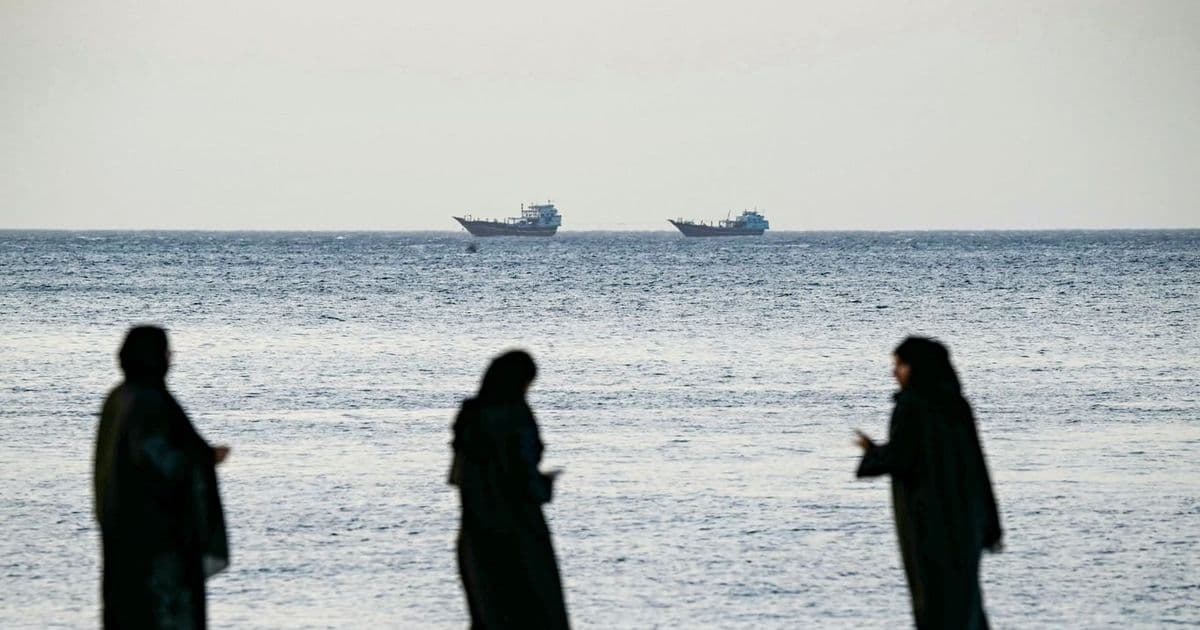
Major oil producers, including Saudi Arabia and the UAE, have pledged to increase production following Israeli strikes on Iran, aiming to stabilize global markets amid fears of supply disruptions through the Strait of Hormuz.
Major oil producers, including Saudi Arabia and the United Arab Emirates, have pledged to increase production following Israeli strikes on Iran, aiming to stabilize global markets amid fears of supply disruptions through the Strait of Hormuz.
Market response to geopolitical tensions
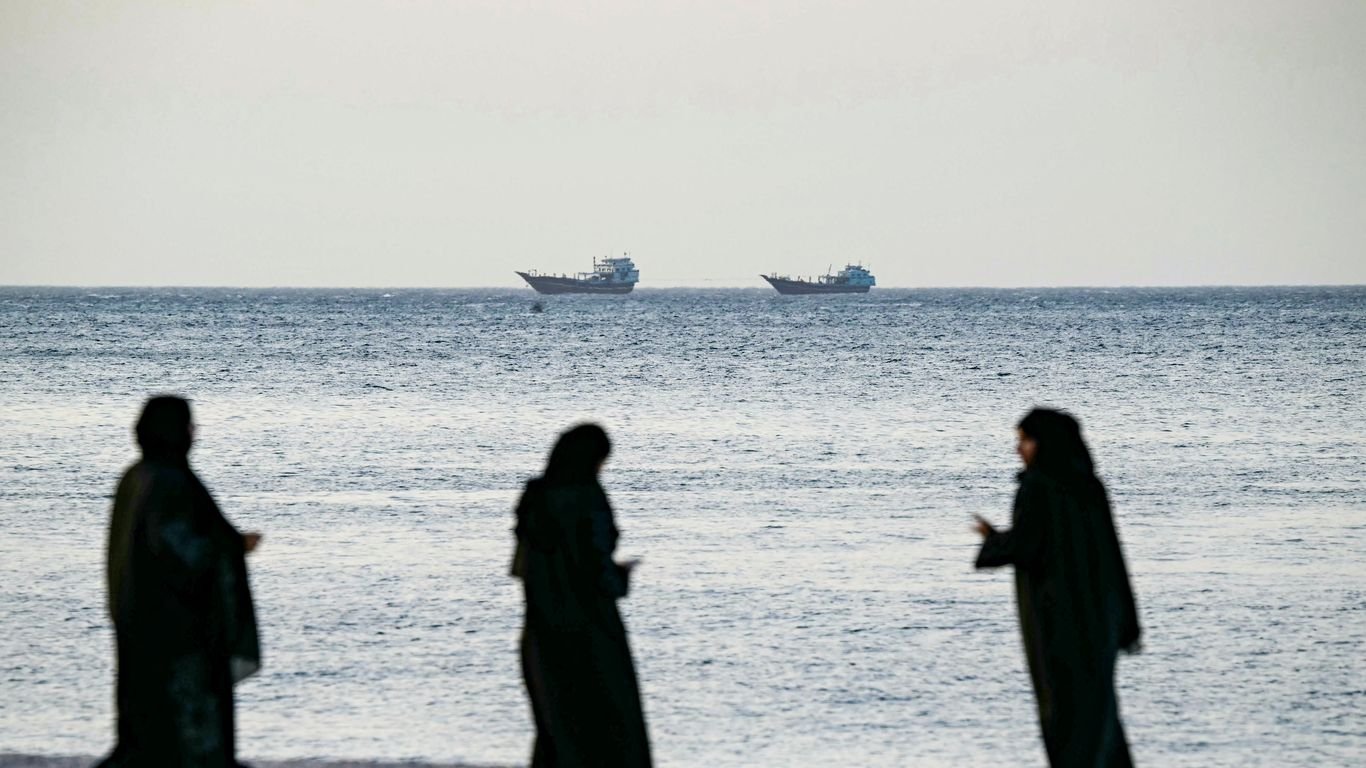
The coordinated announcement from OPEC members comes as global markets assess the potential impact of escalating Middle East tensions on oil supply chains. The Strait of Hormuz, through which approximately 20% of global oil passes, remains a critical chokepoint that could be affected by retaliatory actions.
Saudi Arabia, the world's largest oil exporter, has committed to increasing production capacity by 1 million barrels per day, while the UAE has signaled similar intentions. This move represents a significant shift from the production cuts implemented throughout 2023 and early 2024.
Economic implications
Oil prices have already shown volatility, with Brent crude futures experiencing a 4.2% increase immediately following the strikes before stabilizing as production pledges were announced. The International Energy Agency estimates that a sustained disruption through the Strait could push prices above $100 per barrel, potentially triggering inflationary pressures in energy-dependent economies.
Analysts note that the production increases may not immediately offset market concerns, as the physical capacity to ramp up output requires time and infrastructure investment. The current pledges are viewed as a strategic signal to markets rather than an immediate supply solution.
Regional dynamics
Iran's position in this unfolding situation remains critical. As the third-largest producer in OPEC, any Iranian response could significantly alter the supply-demand equation. The country has historically threatened to close the Strait of Hormuz in response to military actions against its territory.
Oman, which overlooks the strategic waterway, has called for de-escalation while maintaining its neutral diplomatic stance. The country's location makes it particularly vulnerable to any disruption in maritime traffic through the strait.
Global energy security
Western nations have begun coordinating emergency response measures, with the United States Strategic Petroleum Reserve being evaluated for potential release if prices continue to climb. European Union energy ministers are scheduled to hold emergency talks on supply security next week.
The situation highlights the continued vulnerability of global energy markets to regional conflicts. Despite significant investments in renewable energy and diversification efforts, oil remains a critical commodity for global economic stability.
Market outlook
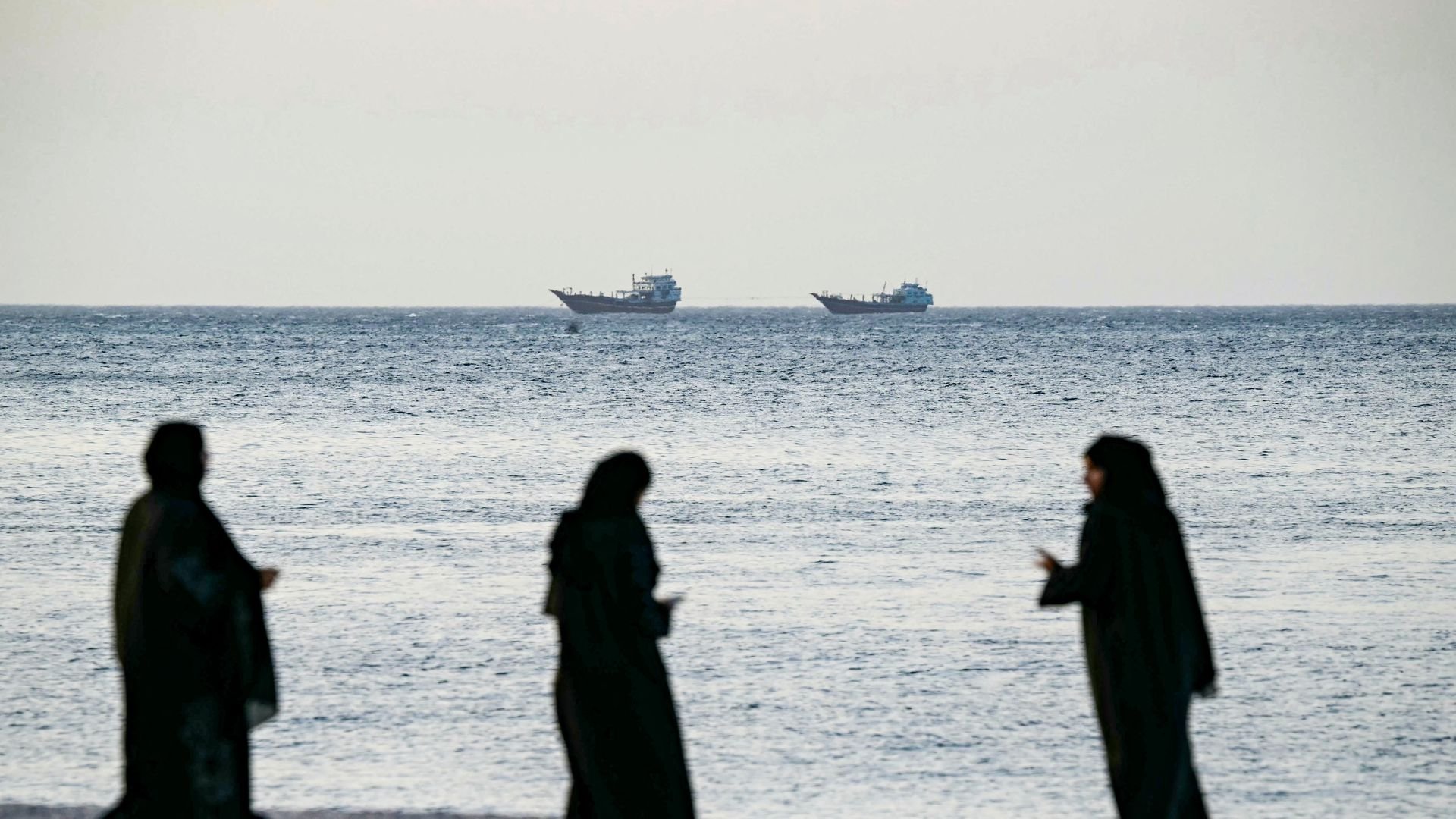
Energy analysts predict continued volatility in the coming weeks as markets assess both the immediate production increases and the longer-term geopolitical risks. The balance between supply assurances and security concerns will likely determine price trajectories in the near term.
Major oil companies have reported increased hedging activity, with futures contracts for delivery in the next 12 months showing heightened trading volumes. This suggests market participants are preparing for potential supply disruptions despite the current production pledges.
The coordinated response from OPEC producers demonstrates the organization's recognition of its role in maintaining market stability during periods of geopolitical uncertainty. However, the effectiveness of these measures will depend largely on the evolution of regional tensions and Iran's response to recent military actions.
Comments
Please log in or register to join the discussion