
Senator Ruben Gallego is pressing the Department of Energy to release oil from the Strategic Petroleum Reserve as gas prices climb, highlighting growing political pressure on energy policy.
Senator Ruben Gallego is pressing the Department of Energy to release oil from the Strategic Petroleum Reserve as gas prices climb, highlighting growing political pressure on energy policy.
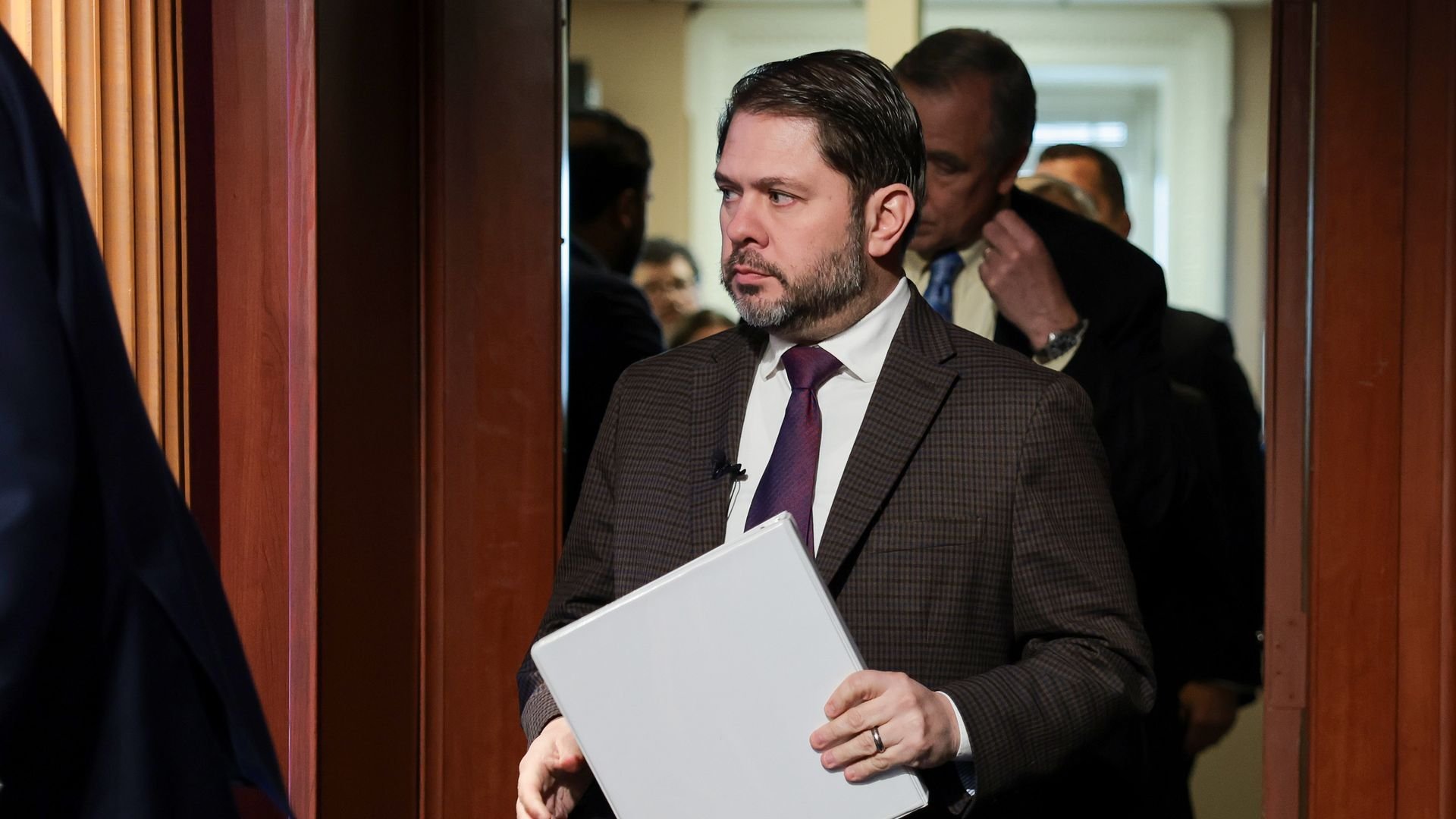
Senator Ruben Gallego in February. Photo: Anna Moneymaker/Getty Images
Arizona Democrat Ruben Gallego has formally requested that the Department of Energy consider tapping the Strategic Petroleum Reserve (SPR) to help stabilize rising gasoline prices, according to sources familiar with the matter.
The move comes as average U.S. gas prices have climbed to approximately $3.60 per gallon nationally, up from $3.10 in January, according to AAA data. In Arizona, where Gallego represents constituents, prices have surged even higher, averaging $3.85 per gallon.
Gallego's office has not publicly detailed the specific volume of oil he's requesting be released, but industry analysts suggest even a modest drawdown could inject 5-10 million barrels into the market, potentially lowering prices by 10-15 cents per gallon if historical patterns hold.
The Strategic Petroleum Reserve currently holds approximately 362 million barrels of crude oil stored in underground salt caverns along the Gulf Coast. The reserve was established in 1975 following the Arab oil embargo and is designed to provide emergency supply during disruptions.
This political pressure on the DOE mirrors similar actions taken during previous price spikes. In 2022, the Biden administration coordinated releases from the SPR alongside other nations, ultimately releasing about 180 million barrels over six months. That intervention helped reduce prices by an estimated 40 cents per gallon at its peak effectiveness.
Energy market experts note that SPR releases have diminishing returns over time, as global oil markets are vast and highly sensitive to numerous factors including OPEC production decisions, geopolitical tensions, and seasonal demand shifts. A release of 5-10 million barrels represents less than one day of U.S. oil consumption.
The timing of Gallego's request is particularly notable as it comes amid broader debates about energy policy, with some lawmakers pushing for increased domestic production while others advocate for accelerated renewable energy adoption to reduce fossil fuel dependence.
Department of Energy spokesperson Jeremy Fisher stated that the agency "continually monitors market conditions and maintains the SPR for genuine supply emergencies," but declined to comment specifically on Gallego's request.
Political analysts suggest that rising gas prices typically become a major political liability for the party in power, potentially explaining why a Democratic senator would pressure a Democratic administration on this issue. Historical data shows that when gas prices exceed $3.50 nationally, they often dominate news coverage and voter concerns.
The SPR's effectiveness as a price management tool has been debated among energy economists. While releases can provide short-term relief, critics argue they may discourage necessary investments in energy infrastructure and create market uncertainty about future government interventions.
Gallego's constituents in Arizona have been particularly affected by price volatility, with the state's limited refining capacity making it more susceptible to supply disruptions and price spikes. The Phoenix metropolitan area has seen prices reach $4.19 for premium gasoline at some stations.
As the DOE evaluates this request, market watchers are also monitoring potential changes in OPEC+ production quotas and the impact of ongoing sanctions on Russian oil exports, both of which could significantly influence global oil prices independent of any SPR action.
The debate over SPR releases highlights the complex balance between energy security, market stability, and political pressures that energy policymakers must navigate, particularly during periods of price volatility that directly impact American consumers.
Comments
Please log in or register to join the discussion