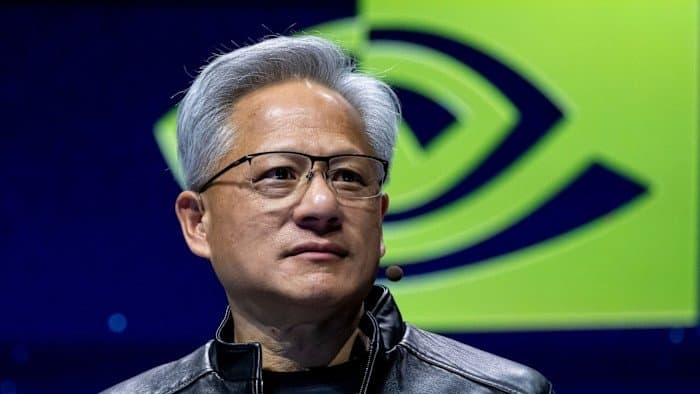
Following the Supermicro co-founder's indictment, US Senators Elizabeth Warren and Jim Banks are urging the Commerce Department to suspend Nvidia's AI chip export licenses to China and Southeast Asia, citing national security concerns.
US Senators Elizabeth Warren and Jim Banks have called on the Commerce Department to suspend Nvidia's AI chip export licenses to China and Southeast Asia, following the indictment of Supermicro co-founder Wally Liaw on charges related to foreign bribery and corruption.
The bipartisan request comes amid growing concerns about the transfer of advanced semiconductor technology to strategic competitors. Senators Warren and Banks argue that continuing these exports could compromise US technological advantages and national security interests.
This development adds to the mounting pressure on US technology companies operating in sensitive sectors. The timing is particularly notable given the recent legal troubles of Supermicro, a major server manufacturer that relies heavily on Nvidia's AI chips for its products.
The Supermicro Connection
The indictment of Supermicro co-founder Wally Liaw has raised questions about the integrity of supply chains in the tech industry. Liaw faces charges related to foreign bribery and corruption, which has prompted lawmakers to scrutinize the broader ecosystem of companies involved in advanced computing.
Export Control Concerns
Nvidia has been at the center of export control debates for years, as its high-performance AI chips are critical for both commercial and military applications. The company has previously faced restrictions on selling certain chip models to China, but existing licenses for other products remain in place.
Industry Impact
If the Commerce Department were to suspend these licenses, it would significantly impact Nvidia's business in the Asia-Pacific region. The company has been expanding its presence in Southeast Asia as an alternative to China, establishing manufacturing and research facilities in countries like Vietnam and Singapore.
Broader Context
The senators' request reflects a growing bipartisan consensus in Washington about the need to restrict technology transfers to China. This aligns with broader efforts to reshore critical technologies and protect US intellectual property from foreign acquisition.
Counter-Perspectives
However, some industry experts argue that such restrictions could backfire by accelerating China's efforts to develop domestic alternatives to US technology. They point out that limiting access to Nvidia's chips might spur Chinese companies to invest more heavily in homegrown semiconductor development.
Economic Implications
The potential suspension of licenses would affect not only Nvidia but also the entire supply chain of companies that rely on these chips for their products. This includes server manufacturers, cloud providers, and AI startups across Southeast Asia.
Regulatory Process
The Commerce Department's decision will likely involve extensive review and consultation with industry stakeholders. Any suspension would need to balance national security concerns with economic impacts and the global competitiveness of US technology companies.
Looking Ahead
This situation highlights the ongoing tension between maintaining US technological leadership and the economic realities of a globalized tech industry. As AI becomes increasingly central to both commercial and military applications, these debates are likely to intensify.
The outcome of this request could set important precedents for how the US government approaches export controls on advanced technologies in the future.
Comments
Please log in or register to join the discussion