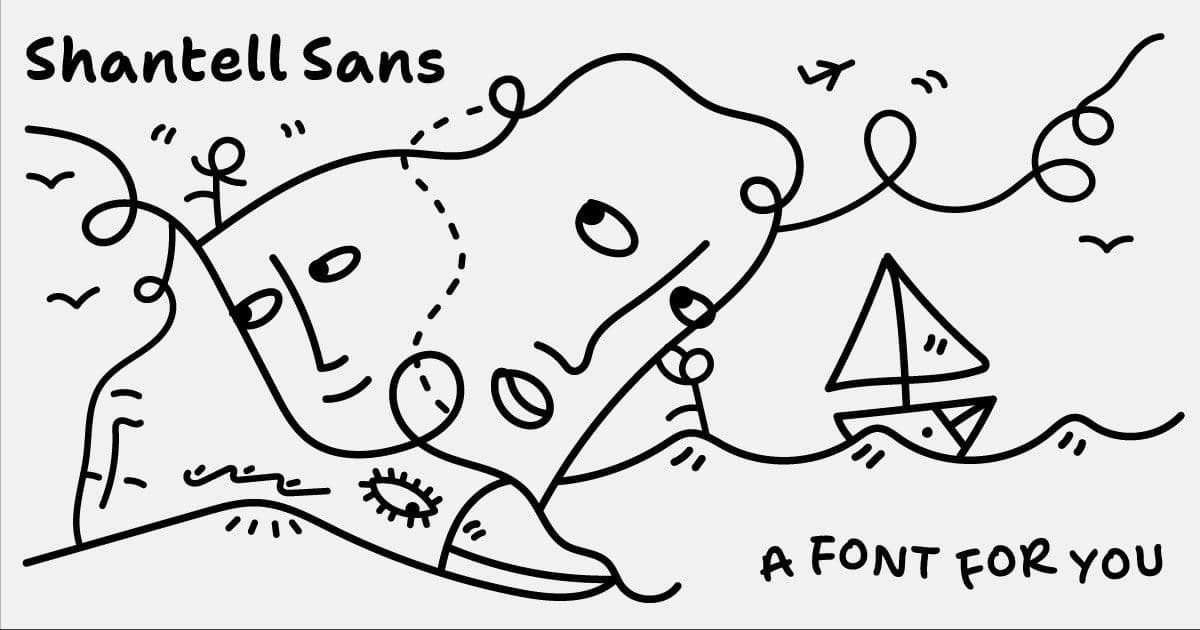
Artist Shantell Martin and type designer Stephen Nixon (ArrowType) collaborate on Shantell Sans, an innovative variable font addressing readability challenges while bringing artistic expression to digital typography.
When artist Shantell Martin approached type designer Stephen Nixon of ArrowType with the idea of creating "a new Comic Sans," little did they know they would embark on a journey to create one of the most innovative open-source fonts of recent years. Shantell Sans represents not just a typeface but a movement toward more accessible, human-centered typography in the digital age.
The story begins with Martin's personal experience with dyslexia. "When I was 20 or 21, I found out that I was dyslexic," Martin shares. "I was disappointed about the amount of teachers who had never spotted my reading challenges. Instead of supporting me to learn to read and write, they punished me." This experience inspired her to create a font that would empower people to read and write more comfortably, regardless of their relationship with words.
"Creating my own font was a way to empower people to read and write, despite their relationship to words," explains Martin. "What if I take my words, or my handwriting or the letters that I've created, and make a font that is fun and playful, but also professional and usable?"
The resulting font, Shantell Sans, mixes variable axes for Weight, Italic, Informality, and Bounce to deliver a wide array of font styles, from friendly, readable, everyday typographic workhorses to striking, high-energy, experimental styles meant especially for animation. 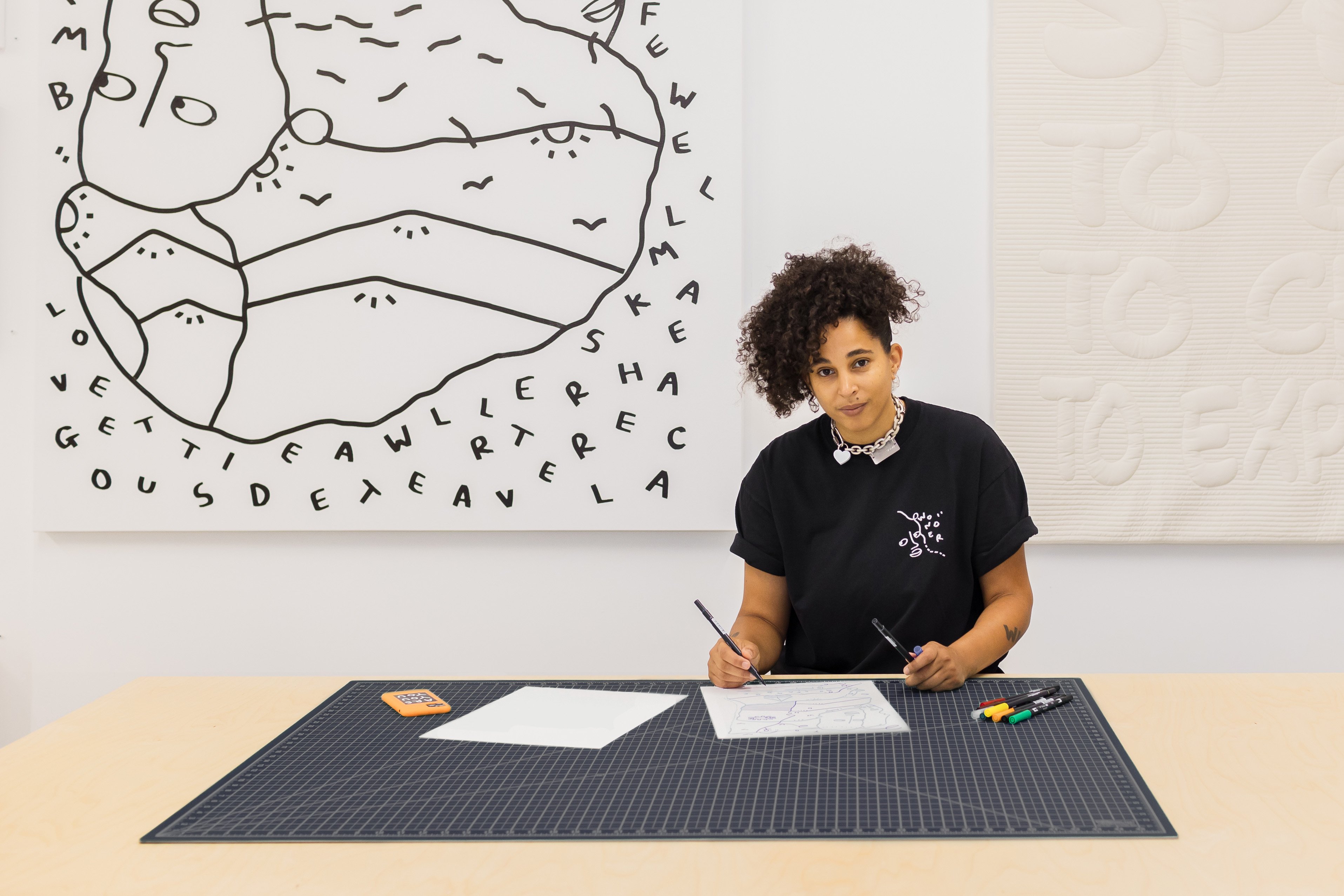
Nixon, who runs ArrowType, brought technical expertise to the project. "I felt both honored and keenly interested when Shantell first reached out to me asking for a custom font," he recalls. "What truly caught my attention were four words: Shantell said she wanted to make 'a new Comic Sans.'"
The project wasn't about simply replicating Comic Sans but understanding what made it popular while creating something entirely new. "We sought to identify what makes Comic Sans so popular, and apply a few of those lessons to a totally new font," Nixon explains.
The design process involved Martin handwriting the entire Latin alphabet, numbers, and symbols using a Staedtler Lumocolor M marker. Nixon then digitized these characters, creating a font that retained the organic feel of handwriting while maintaining readability in digital form. 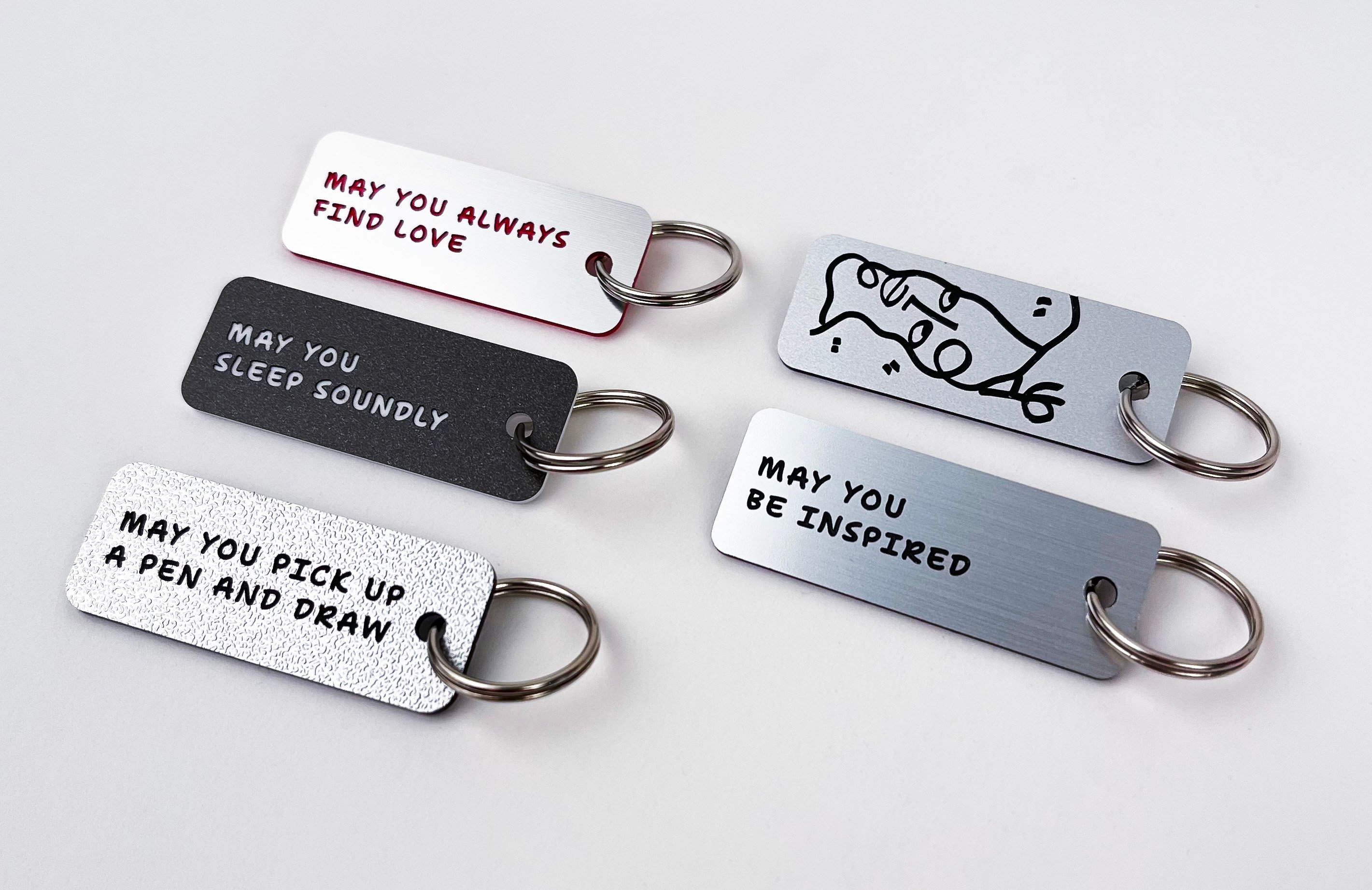
One of the font's most innovative features is its variable axes. Beyond standard weight and italic variations, Shantell Sans includes unique axes for Informality and Bounce, allowing designers to create text that ranges from highly structured to seemingly hand-drawn with natural movement. These features open new possibilities for animated typography that feels alive and responsive.
"The final fonts include stylistic axes for Bounce and Informality, and these aren't styles I drew entirely by hand," Nixon explains. "Instead, a script was used to A) make Bouncy styles in which glyphs are shifted up or down, and B) make Informal styles in which glyphs are interpolated between the 'normalized' & 'irregular' main sources."
The font has already found adoption in notable projects. Martin used Shantell Sans for key tags at the Whitney Museum shop in New York City. Financial services platform Cash App incorporated the font into their physical Cash Card design. Most significantly, collaborative drawing app tldraw made Shantell Sans their primary font for writing. 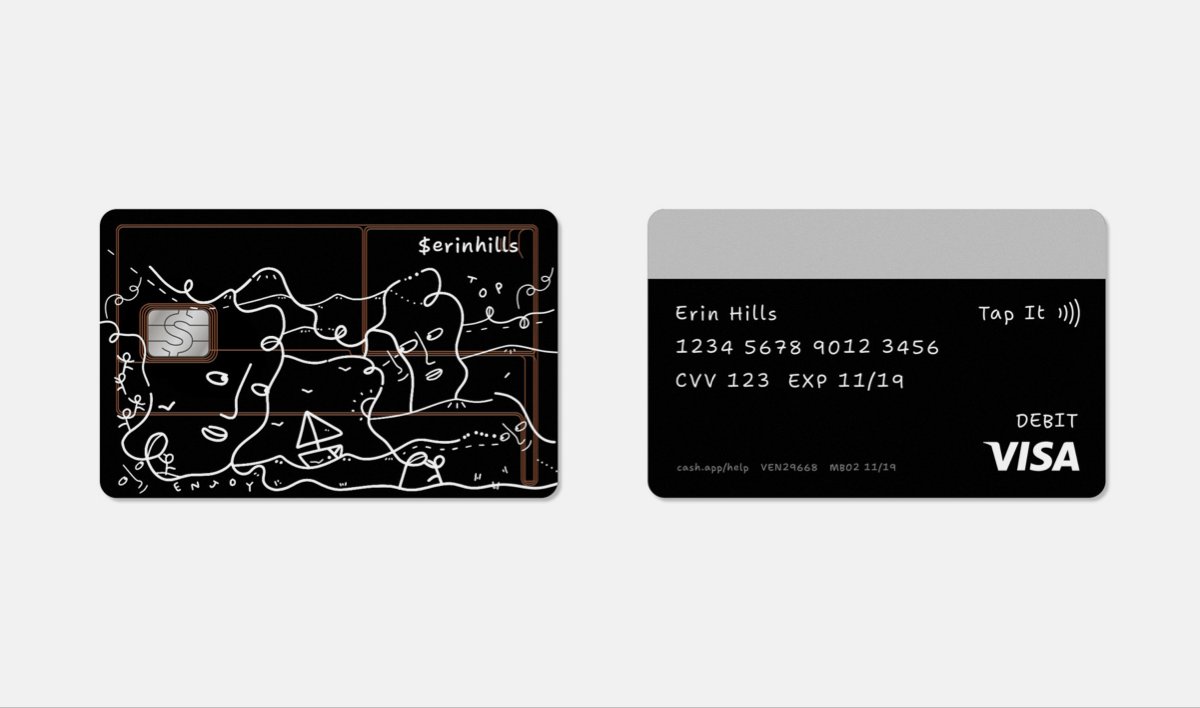
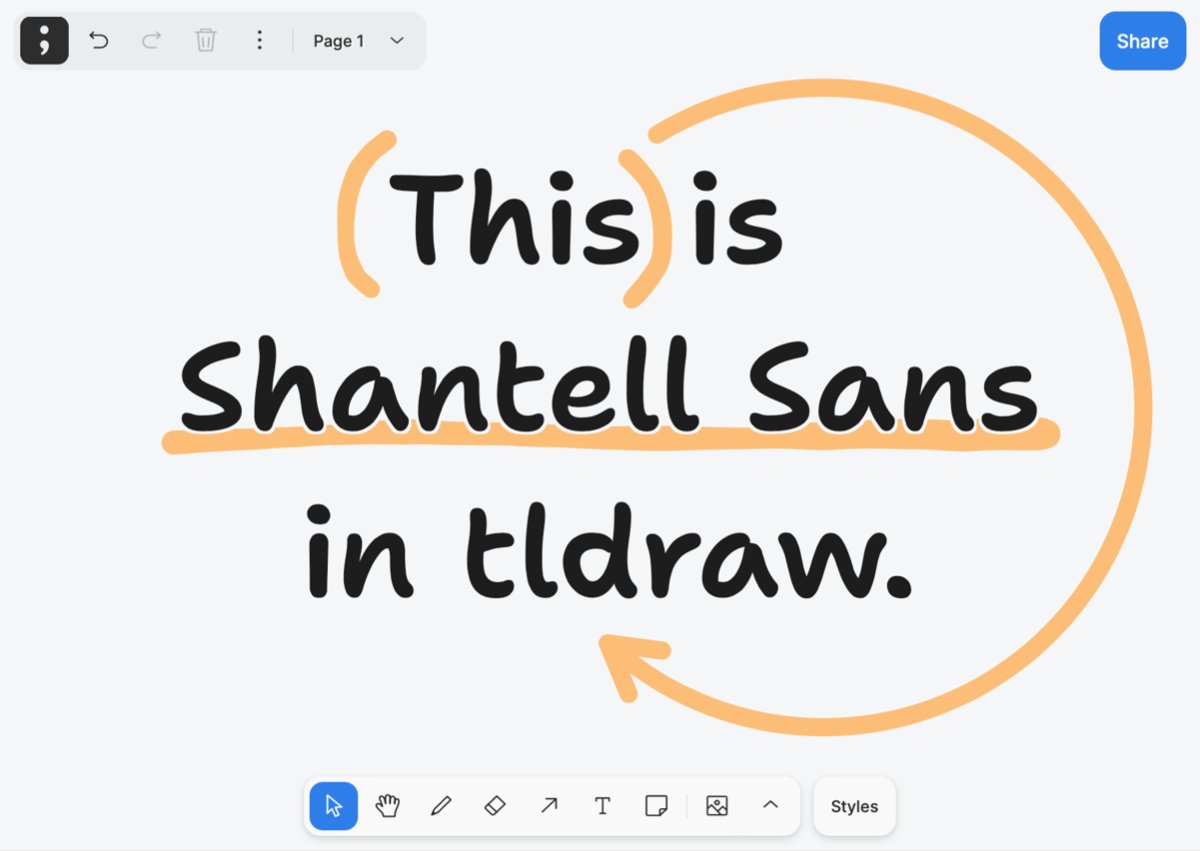
"I'm giving up control over something that is innately mine since Shantell Sans is based on my handwriting and is quite personal," Martin acknowledges. "I would really love to see children and young adults use Shantell Sans and learn about how it came about."
To ensure maximum accessibility, Shantell Sans was released under an open font license. "To make the font as useful as possible, I am releasing Shantell Sans under an open font license. It's my gift to the world," Martin states. "Having the font be available without charge means that a wide variety of people will have access to Shantell Sans."
The font's reach expanded significantly with support from Google Fonts, which helped extend the typeface with additional features including full Italic styles and a new experimental Spacing axis. They also expanded language support, adding Vietnamese characters and a complete Cyrillic set.
"With support from Google Fonts, we extended the stylistic range of the typeface, creating a full set of Italic styles," Nixon notes. "We also added in a new, experimental axis: Spacing, which adds extra spacing between letters. This can be useful in software that doesn't support that option by default."
The Cyrillic extension presented unique challenges. "Working on another script for a handwriting typeface can feel somewhat similar to translating poetry," explains Anya Danilova, who designed the Cyrillic components. "When you translate a poem to another language, how can you save the unique tone of it while also using the structure of the language you are translating it to?"
Today, Shantell Sans stands as a testament to what happens when artistic vision meets technical execution in service of accessibility and creativity. The font represents a new approach to typography—one that acknowledges the emotional response people have to fonts while pushing the boundaries of what's possible in variable type design.
As Martin puts it, "I wanted to make a font that feels accessible and open to remind people, including myself, that words are drawings and that words can exist on our own terms."
Shantell Sans is now available through Google Fonts, Google Docs, and as a download from its open repository on GitHub. The project demonstrates how open-source collaboration can lead to innovative design solutions that serve both artistic expression and practical needs in the digital landscape.
Comments
Please log in or register to join the discussion