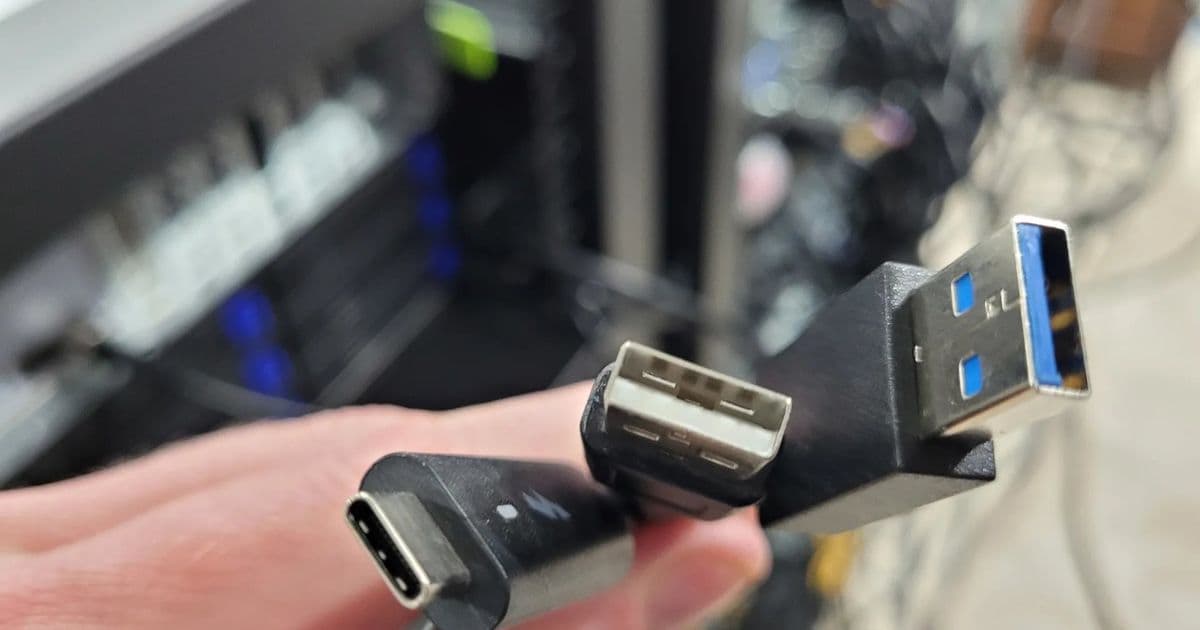
Ahead of the Linux 7.1-rc6 release, the kernel has incorporated several critical USB device quirks addressing issues with portable SSDs, docking stations, and RISC-V platforms, improving device compatibility and system stability.
{{IMAGE:2}} The Linux kernel development cycle continues with USB subsystem updates being merged ahead of the Linux 7.1-rc6 release scheduled for Sunday. Greg Kroah-Hartman, maintainer of the Linux USB subsystem, has pulled a set of fixes and new device identifiers that address various compatibility and performance issues affecting USB devices across different market segments.
The USB pull request for Linux 7.1-rc6 contains "a set of USB fixes and new device ids for 7.1-rc6. Nothing major in here, just lots of tiny fixes for reported issues found by users and some older patches found by some scanning tools," according to Kroah-Hartman. While characterized as minor fixes, these updates address critical issues that impact device functionality and user experience across multiple product categories.
PNY Elite Portable SSD Quirk
One of the more significant quirks added addresses compatibility issues with the PNY Elite Portable SSD, which uses a Phison-based USB-SATA bridge controller. The device exhibited firmware bugs when utilizing the USB Attached SCSI (UAS) protocol, specifically failing to complete "READ CAPACITY" commands and related operations. This issue mirrors problems previously seen with PNY's Pro Elite SSD line, indicating a systematic firmware challenge across PNY's portable storage products.
The UAS protocol, designed to improve performance over traditional USB Mass Storage class implementations by allowing SCSI commands to be queued, provides significant throughput benefits. However, devices with firmware bugs like the PNY Elite SSD can experience complete enumeration failures or degraded performance when UAS is attempted. The new quirk forces the Linux kernel to handle this device similarly to the existing PNY Pro Elite SSD quirks, ensuring proper enumeration and enabling full UAS throughput capabilities.
This fix is particularly important as portable SSDs continue to gain market share, with devices like the PNY Elite offering performance that bridges the gap between traditional HDDs and higher-end NVMe SSDs. The USB 3.2 standard, which these devices typically leverage, can theoretically deliver up to 10 Gbps of bandwidth, making UAS protocol optimization critical for realizing the performance potential of these storage solutions.
Lenovo ThinkPad USB-C Dock Gen2 Link Stability Fix
Another significant quirk addresses link instability in Lenovo ThinkPad USB-C Dock Gen2 hub controllers when USB Link Power Management (LPM) is enabled. This condition can cause repeated disconnect/reconnect cycles lasting up to two minutes, severely impacting productivity for professional users who rely on these docking stations for their workstations.
The USB Link Power Management feature allows USB devices to enter lower power states when idle, reducing energy consumption. However, in the case of the Lenovo ThinkPad USB-C Dock Gen2, enabling LPM creates instability that manifests as connection interruptions. The fix involves disabling LPM specifically for this device, trading minor energy savings for connection stability.
This issue highlights the ongoing challenges in USB power management implementation across different device classes. While LPM is essential for mobile device battery life, its implementation in complex peripherals like docking stations—which often aggregate multiple device types including Ethernet, audio, and additional USB ports—can introduce stability issues that outweigh the power savings.
EIC7700 RISC-V SoC USB Reset Resolution
The kernel updates also address USB reset issues on the EIC7700 RISC-V System on Chip (SoC), which stem from Device Tree configuration problems. This fix is particularly significant given the growing importance of RISC-V in the semiconductor landscape, with companies like SiFive developing open-source processor cores that are finding their way into embedded systems and potentially future computing platforms.
The EIC7700, based on the SiFive Freedom U740 RISC-V core, represents the increasing diversification of processor architectures beyond traditional x86 and ARM dominance. USB peripheral support is critical for these emerging platforms to gain adoption in markets ranging from IoT devices to potentially consumer electronics.
 Market Context and Supply Chain Implications
These USB quirks, while seemingly minor, reflect broader trends in the semiconductor and device manufacturing ecosystem. The prevalence of firmware issues in USB-SATA bridge controllers like those found in portable SSDs points to challenges in maintaining consistent quality across different silicon vendors and product tiers.
The Phison controller, widely used in portable storage devices, appears to have specific UAS implementation challenges that require kernel-level workarounds. This situation underscores the importance of Linux kernel developers maintaining comprehensive device quirk databases to ensure compatibility with the vast array of USB devices in the market.
Similarly, the Lenovo docking station issue highlights the complexity of USB implementation in multi-function peripherals. As USB technology evolves from simple data transfer to power delivery and video signal transmission (USB4, DisplayPort over USB-C), the potential for compatibility issues increases.
The inclusion of fixes found by "scanning tools" suggests an increasing role of automated testing in kernel development, helping to identify edge cases that might otherwise go unaddressed until they impact end users. This approach represents a maturation of the kernel development process in response to the growing complexity of the hardware landscape.
For system administrators and Linux users, these updates highlight the importance of maintaining current kernel versions to ensure compatibility with the latest hardware devices. While many distributions backport critical fixes, the full benefits of these device-specific optimizations are typically realized in the latest stable releases.
The Linux kernel's USB subsystem continues to evolve, with over 20 years of development addressing the ever-expanding universe of USB devices. As USB technology progresses to higher data rates (with USB4 supporting up to 40 Gbps) and more complex power delivery capabilities, the role of kernel-level device quirks will remain critical in ensuring the Linux ecosystem maintains its reputation for hardware compatibility.
Developers and hardware manufacturers can track these USB subsystem improvements through the Linux USB mailing list and the official kernel documentation. For those interested in the specific changes merged for Linux 7.1-rc6, the full pull request is available for review.
The Linux 7.1-rc6 release, expected on Sunday, will incorporate these USB fixes along with updates to other subsystems, continuing the kernel's tradition of incremental improvements that collectively maintain its position as one of the most widely used operating system kernels in the world.
Comments
Please log in or register to join the discussion