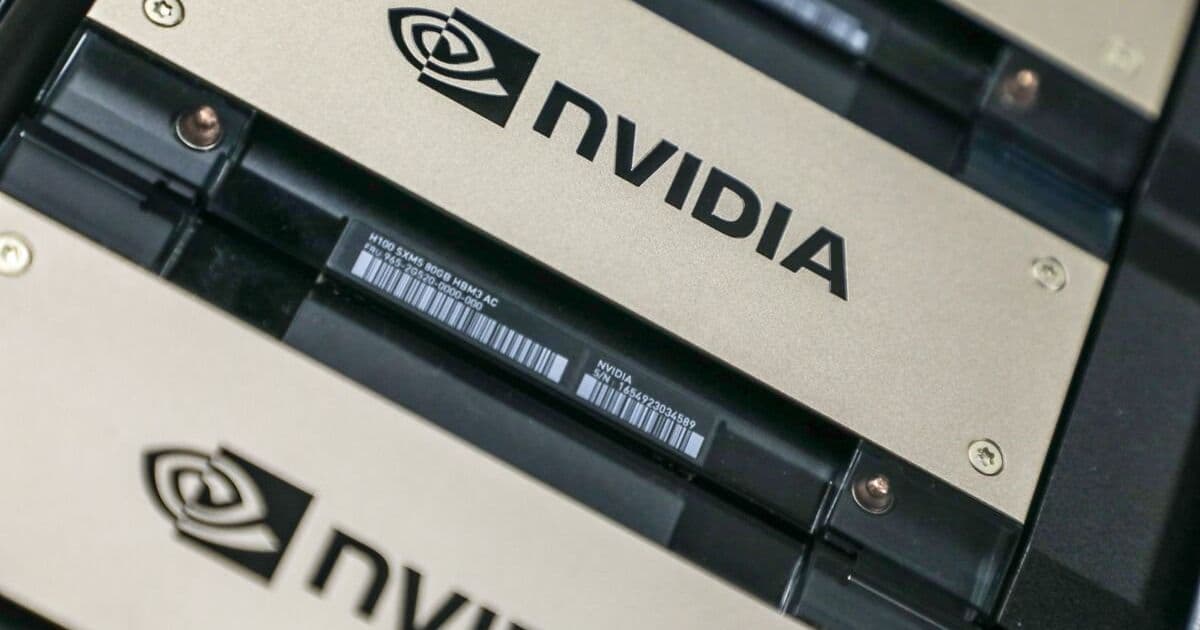
Bloomberg reports that Sharetronic, a Shenzhen-based computing company, purchased hundreds of Super Micro systems containing restricted Nvidia H100 and H200 chips in 2025, totaling approximately $92 million in value.
A Shenzhen-based computing company named Sharetronic acquired hundreds of Super Micro systems containing restricted Nvidia H100 and H200 chips in 2025, according to documents reviewed by Bloomberg. The total value of these systems was approximately $92 million.
The acquisition comes amid ongoing tensions surrounding the export of advanced AI chips to China. The H100 and H200 chips are among the most powerful AI accelerators available, and their export to China has been restricted by the U.S. government due to national security concerns.
Super Micro Computer Inc., the manufacturer of these systems, has been under scrutiny following charges against its co-founder for allegedly smuggling billions of dollars' worth of restricted technology. The timing of Sharetronic's purchases, occurring just hours after these charges were filed, raises additional questions about compliance with export controls.
Sharetronic appears to be positioning itself to compete in China's rapidly growing AI infrastructure market. The acquisition of these high-performance computing systems suggests the company is investing heavily in capabilities that would support large-scale AI model training and inference operations.
The documents indicate that Sharetronic's purchases represent one of the largest known acquisitions of restricted Nvidia hardware by a Chinese company in recent months. This transaction highlights the ongoing challenges in enforcing export controls on advanced semiconductor technology, particularly given the high demand for AI computing power in China's tech sector.
Industry analysts note that the H100 and H200 chips represent the cutting edge of AI accelerator technology, with the H200 offering even greater memory bandwidth and capacity than its predecessor. These specifications make them particularly valuable for training large language models and other demanding AI workloads.
The scale of Sharetronic's acquisition - hundreds of systems worth $92 million - suggests it may be preparing to offer AI cloud services or develop proprietary AI models. This aligns with broader trends in China, where companies are rapidly building out AI infrastructure despite export restrictions.
Super Micro's role in this transaction is particularly noteworthy given the company's recent legal troubles. The firm has been a key supplier of AI server infrastructure, and its systems are widely used by major tech companies for AI workloads. The fact that Sharetronic was able to acquire such a large quantity of systems containing restricted chips raises questions about the effectiveness of current enforcement mechanisms.
This development comes at a time when the U.S. is intensifying efforts to restrict China's access to advanced AI technology. The Biden administration has implemented a series of export controls aimed at limiting China's ability to develop cutting-edge AI capabilities that could have military applications.
However, the Sharetronic case demonstrates the persistent demand for these restricted chips in China and the creative ways companies may be attempting to acquire them. The $92 million investment represents a significant bet on China's AI future, despite the regulatory headwinds.
The transaction also highlights the complex global supply chains involved in AI hardware. Super Micro systems containing Nvidia chips are manufactured in multiple locations and distributed through various channels, creating potential vulnerabilities in the enforcement of export controls.
As AI competition between the U.S. and China intensifies, cases like Sharetronic's acquisition of restricted Super Micro systems are likely to become more common. The high stakes involved - both economic and strategic - ensure that companies will continue to seek ways to access the most advanced AI computing technology, regardless of regulatory barriers.
The full implications of this acquisition remain to be seen, but it clearly demonstrates the ongoing challenges in controlling the spread of advanced AI technology in an increasingly interconnected global tech ecosystem.
Comments
Please log in or register to join the discussion