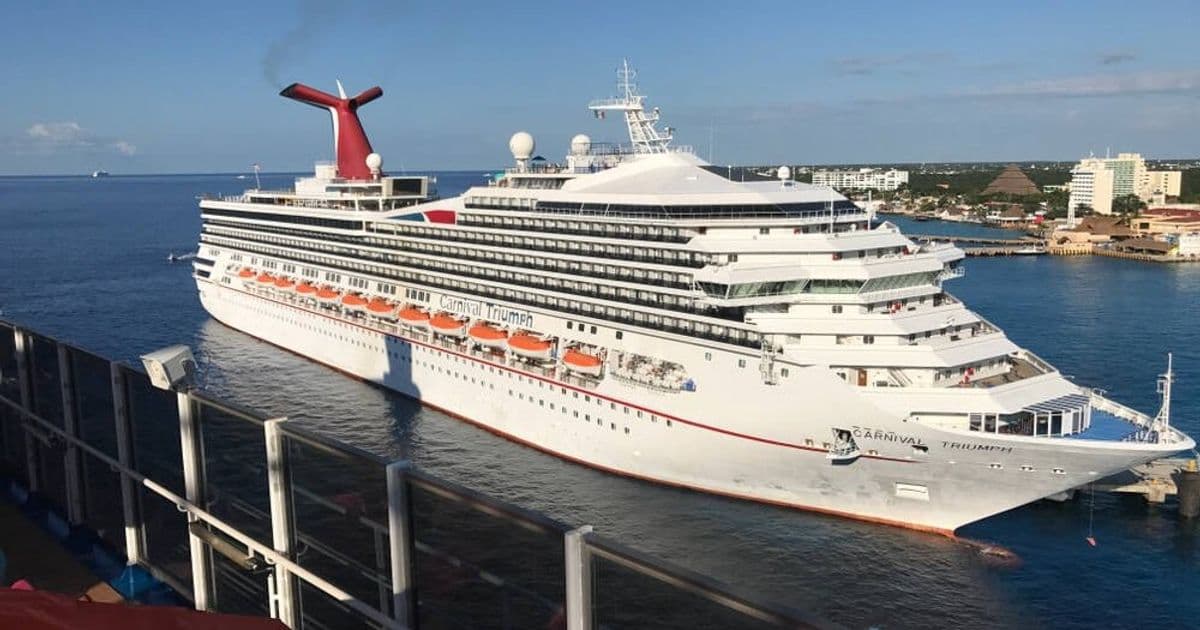
Carnival Corporation faces scrutiny after Have I Been Pwned flagged 7.5 million unique email addresses linked to its Holland America Line subsidiary, while hacker group ShinyHunters claims to have stolen terabytes of internal data amid conflicting accounts of the breach scope.
Carnival Corporation is responding to allegations of a significant data security incident after Have I Been Pwned (HIBP) identified approximately 7.5 million unique email addresses associated with its Mariner Society loyalty program, operated by subsidiary Holland America Line. The HIBP listing, which totals 8.7 million records when including duplicates, contains personal details such as names, dates of birth, gender, and membership status information—data elements frequently exploited in targeted phishing campaigns and identity fraud schemes.
While Carnival has acknowledged a security incident, its initial characterization describes a limited scope: a phishing attack targeting a single user account, with ongoing efforts to determine the extent of any unauthorized access. This narrative contrasts sharply with claims posted by the ShinyHunters extortion group on their leak site. The group asserts they exfiltrated not only customer loyalty data but also "terabytes of internal corporate data" following unsuccessful negotiation attempts with the company, stating bluntly, "The company failed to reach an agreement with us despite our incredible patience. They don't care."
Security analysts note ShinyHunters' history of leveraging initial access—often gained through phishing, credential theft, or SaaS platform vulnerabilities—to move laterally within networks and extract valuable data. The group's tendency to amplify breach severity complicates assessment, yet the specificity of the HIBP dataset (including structured fields matching loyalty program attributes) lends credibility to the assertion that substantial personal information was compromised. The exposed data points—particularly dates of birth and gender combined with names—enable highly convincing social engineering attacks, allowing threat actors to impersonate trusted entities like cruise lines or loyalty programs to extract further sensitive information or financial details.
Carnival has not publicly confirmed whether the HIBP-disclosed records align with their internal findings, nor have they detailed the attack vector beyond the initial phishing reference or addressed potential ransom demands. The discrepancy between the company's contained description and the hackers' allegations of extensive corporate data theft leaves the true scale uncertain. For individuals whose data may be involved, the primary risk lies in sophisticated phishing attempts that exploit the leaked personal details to appear legitimate, potentially leading to credential harvesting or financial fraud. Monitoring account activity and exercising caution with unsolicited communications referencing loyalty program details remain prudent steps regardless of the breach's final confirmed scope.
Comments
Please log in or register to join the discussion