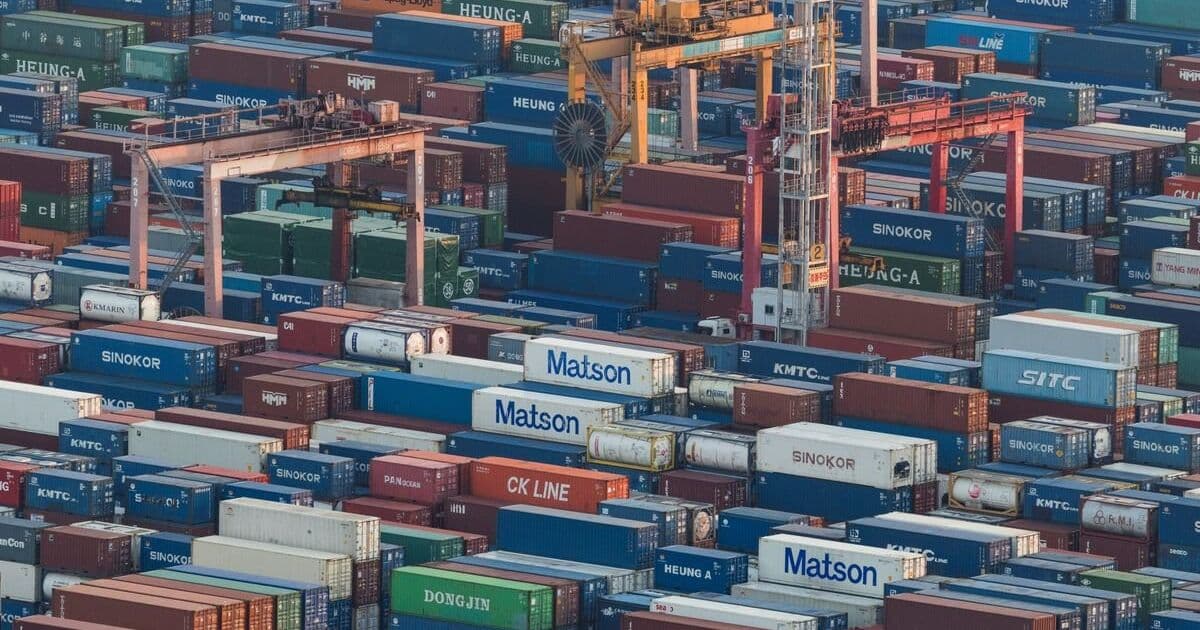
South Korean semiconductor exports skyrocketed 134% year-over-year in early February, signaling intense global demand for AI infrastructure components amid ongoing trade policy uncertainties.
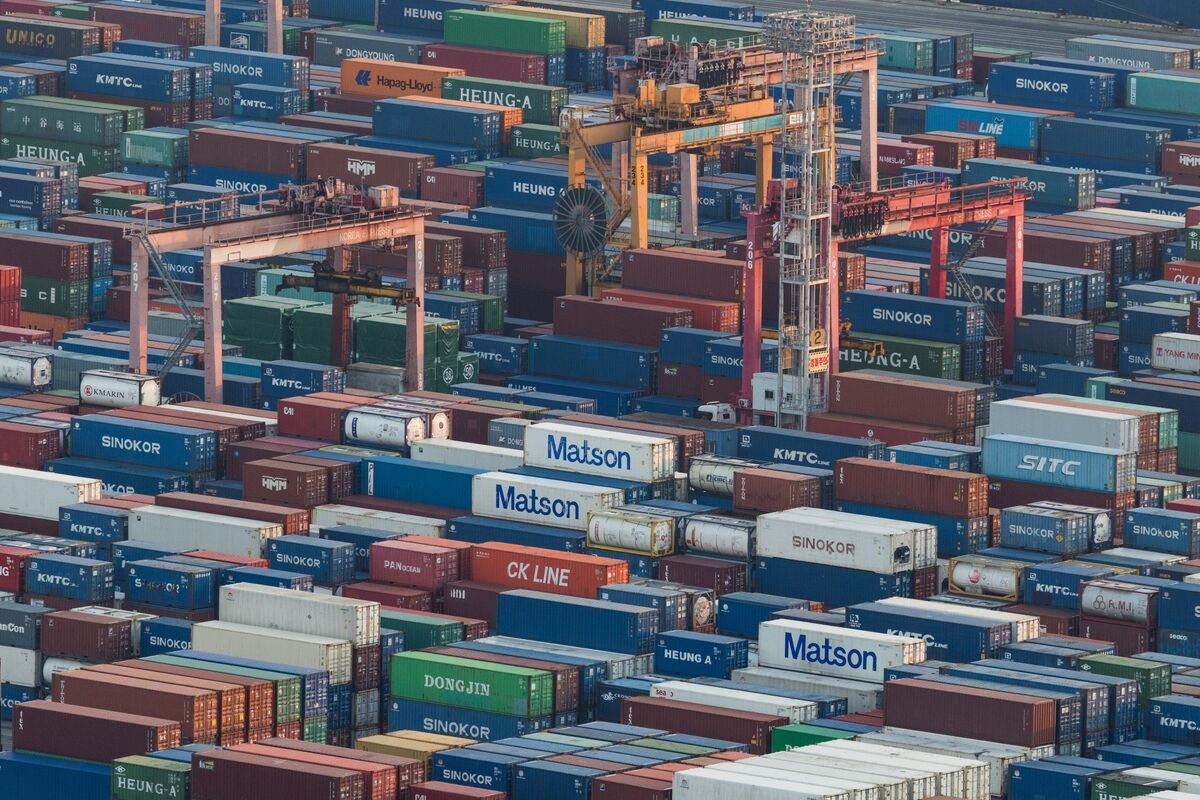
South Korea's export data reveals a significant acceleration in technology hardware shipments, with semiconductor exports surging 134% year-over-year during the first 20 days of February according to Bloomberg's analysis of customs data. Computer peripheral exports followed closely with 129% growth. This extends a multi-month trend of escalating demand for components powering artificial intelligence infrastructure worldwide.
The spike directly correlates with the global scramble to build AI data centers and upgrade enterprise hardware. Major cloud providers and technology firms are stockpiling high-bandwidth memory (HBM) chips and advanced processors from Korean manufacturers like Samsung and SK Hynix. These components form the backbone of training clusters running large language models and inference systems. The 129% increase in peripherals—including high-speed networking equipment and storage devices—further indicates broad-based infrastructure expansion beyond core semiconductors.
While the numbers appear extraordinary, context reveals they're partially amplified by comparison to depressed 2025 figures when inventory gluts plagued the industry. Current demand is primarily enterprise-driven rather than consumer-focused, with hyperscalers accounting for approximately 70% of advanced chip orders according to industry analysts. The growth also faces significant headwinds: US tariff policies on Chinese technology imports create supply chain uncertainty, as many Korean components are ultimately destined for final assembly in mainland China. Export controls on advanced AI chips to China further complicate the trade landscape.Raw percentage growth also masks absolute volume limitations. Semiconductor exports totaled $6.7 billion during the 20-day period—substantial but still below peak monthly volumes seen during previous industry cycles. The sustainability of this growth remains questionable given the astronomical capital expenditure required for continued AI infrastructure expansion. Energy consumption and cooling requirements for AI data centers impose physical constraints that may throttle deployment velocity within 12-18 months.
Market analysts caution against interpreting the figures as indicative of ubiquitous AI adoption. "These numbers reflect infrastructure buildout, not necessarily end-user application deployment," noted a Seoul-based technology economist. "We're seeing concentrated investment from a handful of major players rather than broad-based economic transformation." The disconnect is evident in concurrent reports showing consumer device sales remain sluggish despite enterprise hardware demand.
For South Korean manufacturers, the export boom provides temporary relief but exposes strategic vulnerabilities. The nation's semiconductor industry remains disproportionately reliant on memory products rather than AI-specific logic processors dominated by US firms. This specialization leaves it exposed to cyclical memory price fluctuations despite current high demand. Trade data shows Korean firms are racing to diversify into advanced packaging technologies and HBM4 production lines to maintain competitive positioning as Nvidia and other US companies explore alternative suppliers.
The export surge underscores how AI infrastructure demands are reshaping global technology supply chains. However, the concentration of demand among few buyers, geopolitical trade risks, and physical constraints suggest the current growth trajectory may face significant moderation by mid-2026. Manufacturers balancing capacity expansion with these uncertainties face complex strategic decisions in the coming quarters.
Comments
Please log in or register to join the discussion