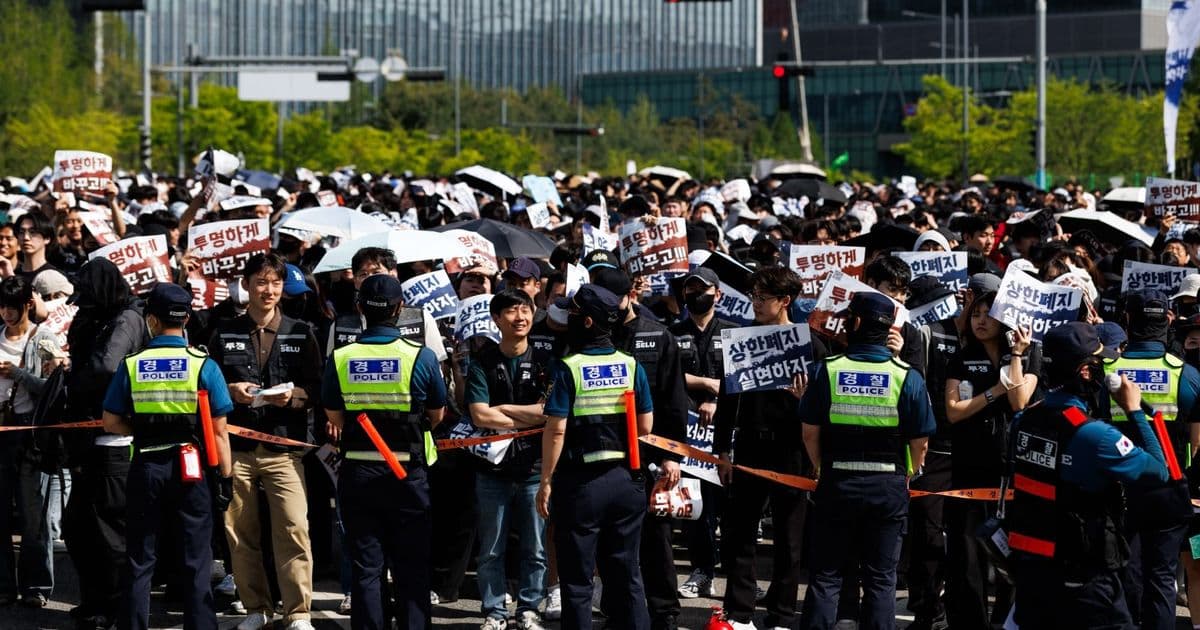
A Suwon District Court injunction curtails the planned 18‑day walkout by Samsung Electronics workers, prohibiting facility occupations and imposing daily fines. The ruling pushes both sides back to the bargaining table as the company prepares for potential production losses exceeding $700 million per day.
Court injunction forces a pause in Samsung’s planned strike
On Monday, the Suwon District Court issued a partial injunction that narrows the parameters of the strike Samsung Electronics had been bracing for since May 21. The order mandates that staffing levels required for safety, equipment protection, and product quality must remain at normal levels. It also bars union members from occupying, locking, or otherwise preventing access to Samsung facilities, and sets a fine of 100 million won (≈ $74,000) per day for any breach.
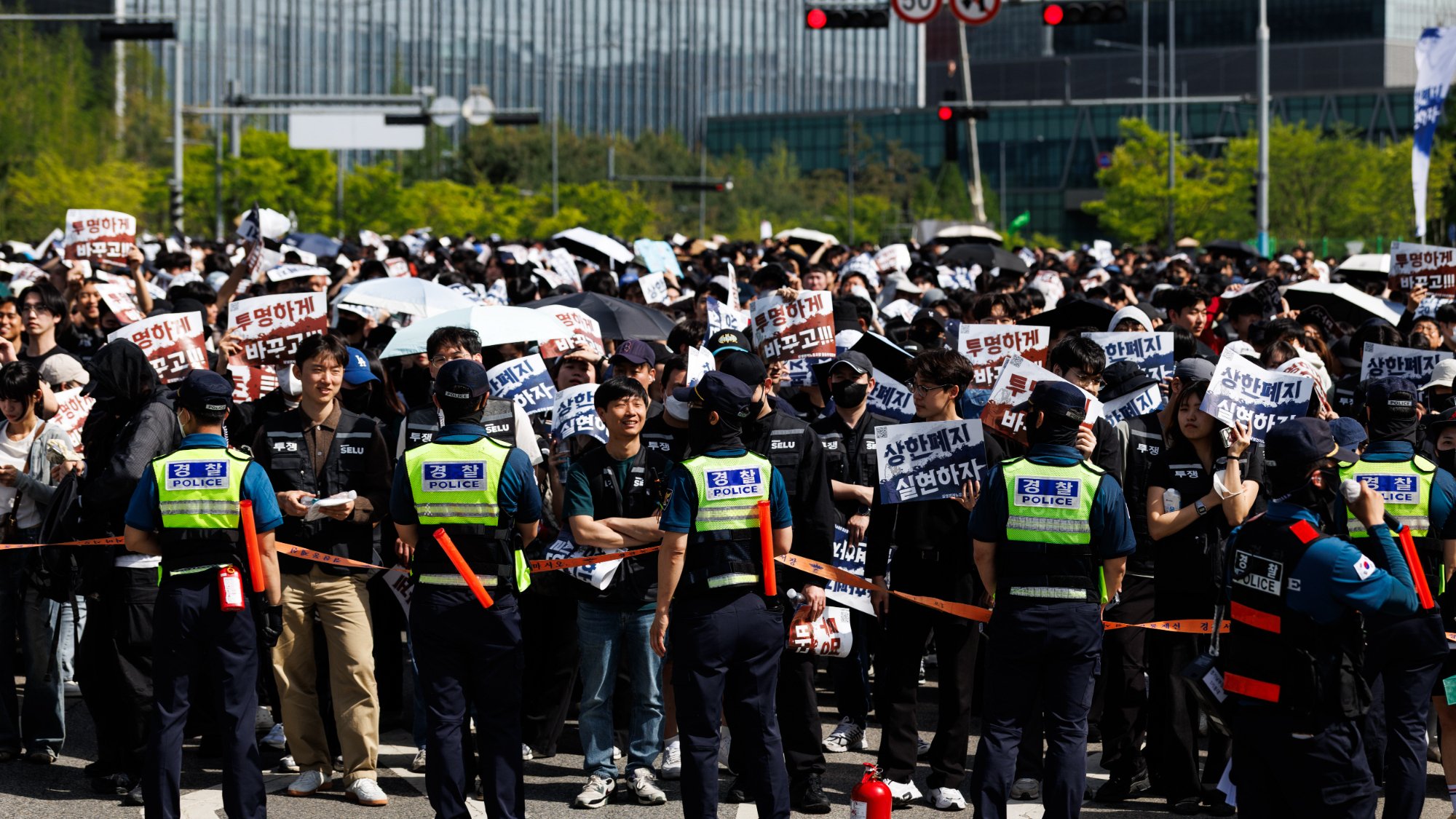
The decision follows a request from Samsung to limit the industrial action that could involve up to 45,000 workers across its memory and logic fabs. While the injunction does not cancel the walkout outright, it reduces its disruptive potential and forces both parties back to the negotiating table.
Technical and operational impact
Samsung’s memory fabs in Hwaseong and Cheongju run 3‑nm class NAND and DRAM lines that rely on tightly calibrated process nodes. A full‑scale shutdown of those lines would suspend the output of approximately 30 % of the world’s DRAM capacity and 15 % of advanced NAND. Maintaining minimum staffing means the fabs can keep critical safety systems—such as E‑stop interlocks, fire suppression, and clean‑room pressure differentials—online, preventing costly equipment damage that could extend recovery time beyond the strike period.
If the walkout proceeds despite the injunction, analysts estimate a revenue hit of 4 trillion won (≈ $2.9 billion) over the 18‑day period, with daily losses ranging from 1 trillion won to 1.5 trillion won according to different industry sources. The figure translates to $700 million‑$1 billion per day, a scale that would pressure Samsung’s cash flow and could ripple through the global supply chain, raising spot prices for DRAM and NAND.
Market reaction and bargaining dynamics
Samsung’s shares rose ≈ 2.3 % in early trading after the court’s ruling, reflecting investor relief that the company’s production line will not be completely halted. The price move also signals that the market views the injunction as a material reduction in strike risk, improving Samsung’s leverage in the upcoming talks.
The unions, represented by the Korean Metal Workers’ Union (KMWU), have rejected Samsung’s one‑time bonus offer of $340,000 per employee. By comparison, rival SK Hynix announced bonuses of $477,000 now and $900,000 next year, putting Samsung’s proposal at a competitive disadvantage. Samsung has pledged guaranteed bonuses for the next ten years, but workers argue that the cap on current bonuses and the broader profit‑sharing formula are insufficient.
South Korea’s government has signaled readiness to invoke emergency arbitration, which could suspend strike activity for up to 30 days while the Labor Relations Commission mediates. An arbitration order would add a legal layer that further limits the unions’ ability to pressure Samsung through work stoppages.
What this means for the broader semiconductor supply chain
A partially constrained strike at Samsung still poses a risk to global memory inventories, especially as the industry recovers from the COVID‑era demand shock and navigates a capacity‑tight environment driven by AI‑driven data center growth. Even a limited reduction in output can tighten spot markets, prompting price spikes that affect OEMs and cloud providers alike.
Manufacturers that source DRAM and NAND from Samsung may need to activate secondary suppliers—such as Micron, SK Hynix, or emerging Chinese fabs—to hedge against any production dip. The situation also underscores the importance of geographic diversification in the memory supply chain, a trend that has accelerated after recent export‑control disputes.
Outlook
The injunction sets a new baseline for negotiations: Samsung can keep critical operations running, but the unions retain the ability to stage a limited walkout that still disrupts output. The next week will likely see intensive bargaining, with the government possibly stepping in to enforce arbitration if talks stall.
Stakeholders should monitor:
- Official statements from Samsung and KMWU for any revised bonus structures or profit‑sharing proposals.
- South Korean Ministry of Employment and Labor announcements regarding emergency arbitration.
- Real‑time DRAM/NAND price movements on exchanges such as CME and LME, which will reflect market perception of supply risk.
- Production reports from Samsung’s quarterly earnings to gauge any post‑strike recovery speed.
The outcome will shape not only Samsung’s labor cost profile but also the stability of the global memory market for the remainder of 2026.
For further reading on the Korean labor arbitration process, see the Ministry of Employment and Labor’s guide here.
Comments
Please log in or register to join the discussion