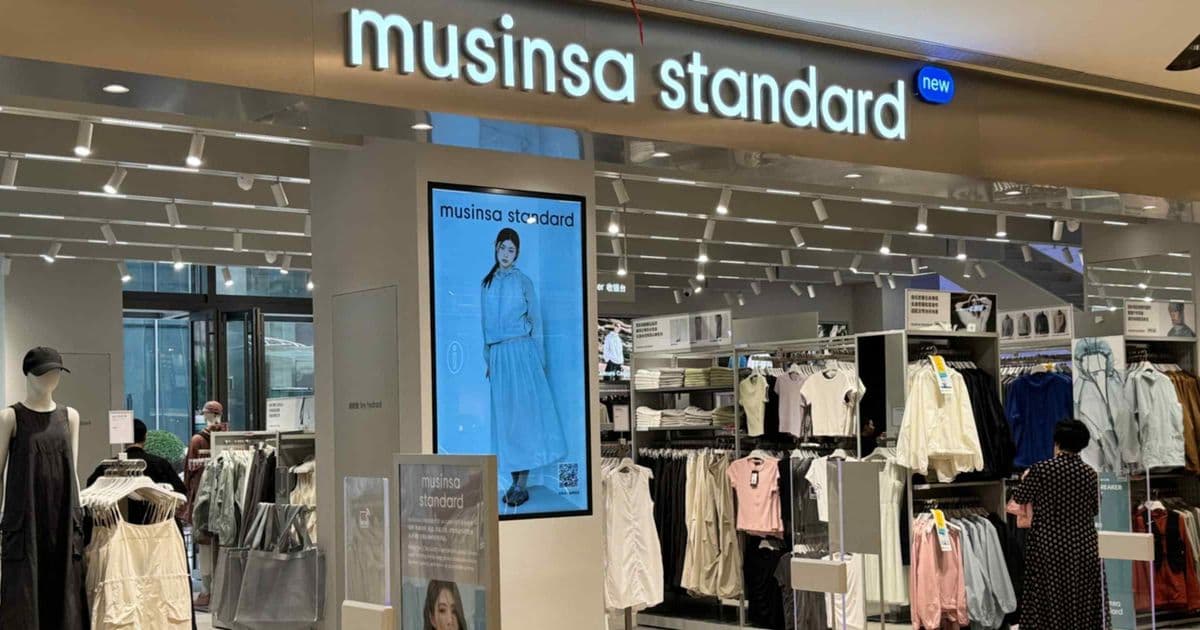
Musinsa and SM Entertainment opened flagship stores in Shanghai, signaling a strategic push by South Korean consumer brands into the Chinese market amid improving diplomatic relations and a rebound in Chinese outbound tourism.
South Korean Brands Make a Play for China
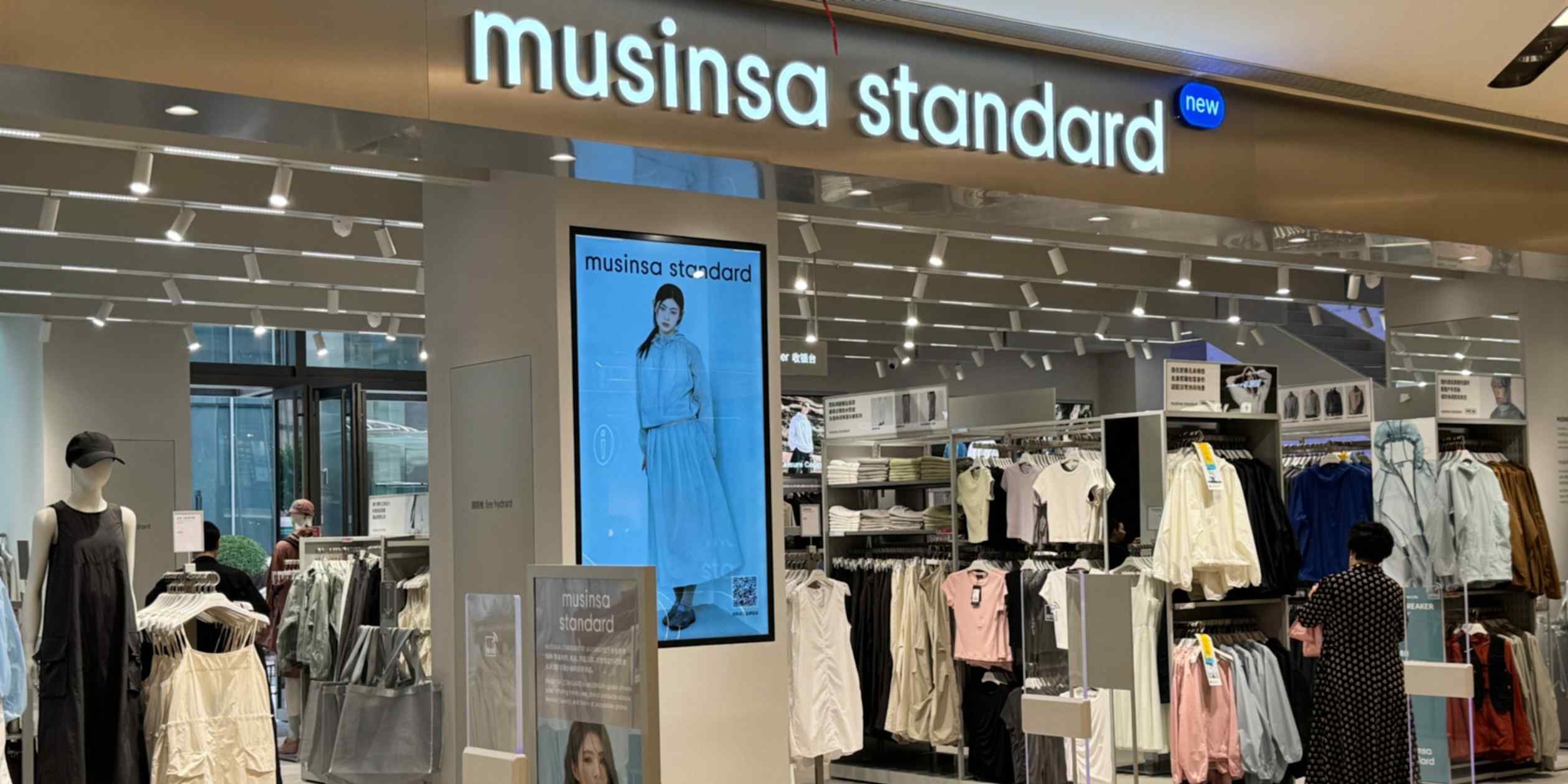
South Korean consumer groups are accelerating their entry into mainland China. Musinsa, the fast‑fashion e‑commerce platform, launched its first Musinsa Standard concept store in Shanghai’s bustling Xintiandi district, while SM Entertainment opened a dedicated K‑pop merchandise shop next to the same mall. Both openings were timed to coincide with a modest uptick in Chinese tourist arrivals to South Korea, which rose 7.2 % in the first quarter of 2026 after a two‑year dip.
Market Context
Bilateral Relations
The easing of diplomatic friction between Seoul and Beijing—highlighted by recent high‑level talks and the suspension of several trade tariffs—has reduced the regulatory uncertainty that previously deterred Korean retailers. According to the Korea International Trade Association, South Korean exports to China reached $23.5 billion in Q1 2026, up 4.8 % year‑on‑year, with consumer goods accounting for the largest share.
Retail Landscape
China’s domestic apparel market is projected to hit ¥2.9 trillion ($420 billion) in 2026, according to Euromonitor. Fast‑fashion players such as Zara and Uniqlo dominate the mid‑tier segment, but there is a growing appetite for “K‑style” aesthetics—characterized by streetwear silhouettes, pastel palettes, and limited‑edition collaborations. A recent Netease survey found that 31 % of Chinese Gen‑Z shoppers consider Korean fashion brands “trend‑setting,” a figure that has risen from 22 % in 2023.
Financial Stakes
Musinsa’s parent, Musinsa Corp., reported a 14 % YoY increase in overseas revenue for the six months ended December 2025, reaching ₩210 billion ($165 million). The Shanghai store is expected to generate ₩45 billion ($35 million) in annual sales, based on internal forecasts that assume a 20 % market‑share capture of the Korean‑fashion‑aware segment in Shanghai.
SM Entertainment, meanwhile, disclosed that its K‑pop merch division contributed ₩120 billion ($94 million) to the company’s 2025 earnings, with overseas sales accounting for 38 % of that total. The new Shanghai outlet is projected to add ₩30 billion ($23 million) in revenue in its first year, driven by high‑margin licensed products and exclusive drop events.
Strategic Implications
Diversification of Revenue Streams – Both firms are reducing reliance on the saturated domestic market, where Musinsa’s online sales growth has slowed to 3 % YoY. Expanding into China offers a larger consumer base and the potential for higher per‑customer spend.
Brand Positioning Through Experience – Physical stores serve as brand‑experience hubs, allowing Musinsa to showcase its curated “Standard” line and SM Entertainment to host pop‑up concerts and fan‑meetings. This experiential retail model aligns with the Chinese consumer’s preference for immersive shopping, which Nielsen reports increases basket size by 12 % on average.
Supply‑Chain Considerations – By localising inventory in Shanghai’s free‑trade zone, both companies can cut lead times from Korean factories by roughly 40 %, translating into lower logistics costs and faster response to fashion trends.
Regulatory Outlook – While current diplomatic goodwill reduces tariff risk, firms must remain vigilant about potential policy shifts. A contingency plan involving diversified sourcing and a robust e‑commerce platform will be essential to mitigate any abrupt changes.
What It Means for the Industry
The Shanghai openings signal a broader shift: South Korean consumer brands are treating China not merely as a market for exports but as a strategic growth engine. If Musinsa and SM can meet their sales targets, it could encourage other Korean players—such as Gentle Monster and Kakao—to accelerate their China roll‑outs. For Chinese retailers, the influx of Korean concepts adds competitive pressure to innovate in store design and digital integration, potentially raising overall retail standards.
In the near term, investors will likely watch Musinsa’s quarterly reports for evidence that the Shanghai store meets its projected revenue, while SM Entertainment’s stock may react to merchandise sales trends tied to upcoming K‑pop releases. Success could validate a playbook that blends cultural export (K‑pop, K‑fashion) with localized retail execution, a model that other Asian brands may seek to replicate.
Data sources: Korea International Trade Association, Euromonitor, Netease consumer survey, Musinsa Corp. financial statements, SM Entertainment 2025 annual report.
Comments
Please log in or register to join the discussion