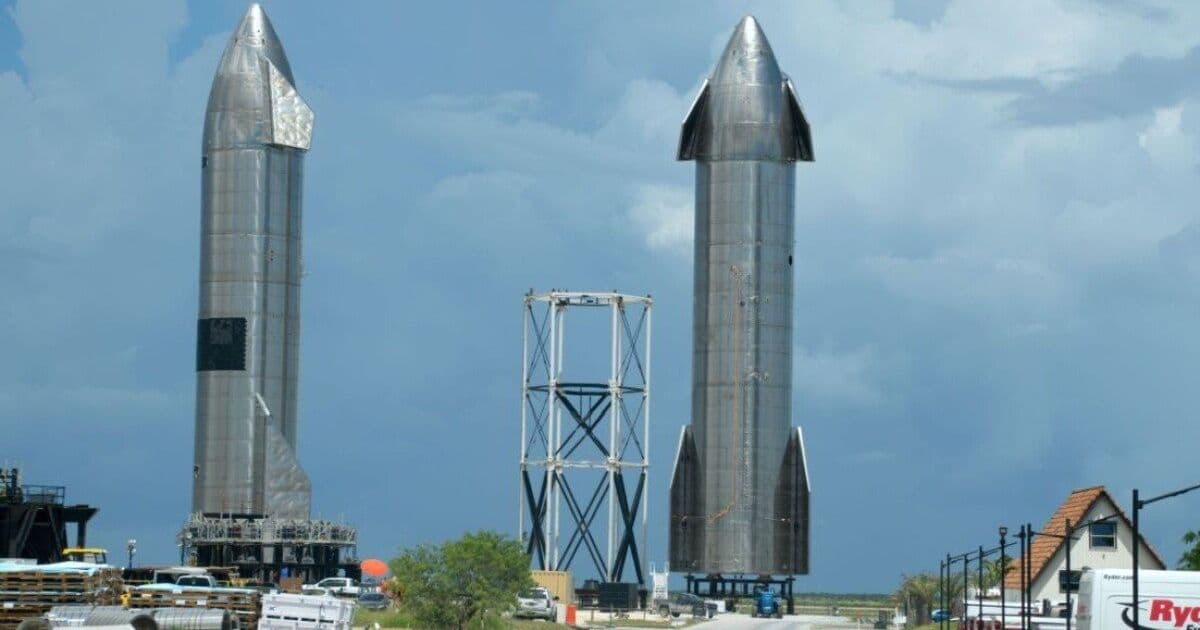
SpaceX has scheduled the 12th Starship flight test for May 19, the first launch of its third‑generation vehicle from a brand‑new pad. The mission will put upgraded Raptor 3 engines, larger propellant tanks, a revised recovery system and a revamped Starlink dispenser through a full sub‑orbital flight. Regulators and industry observers will watch closely to see whether the redesign introduces any safety or compliance gaps.
SpaceX Sets May 19 Date for Starship Test – Will the New Design Hold Up?
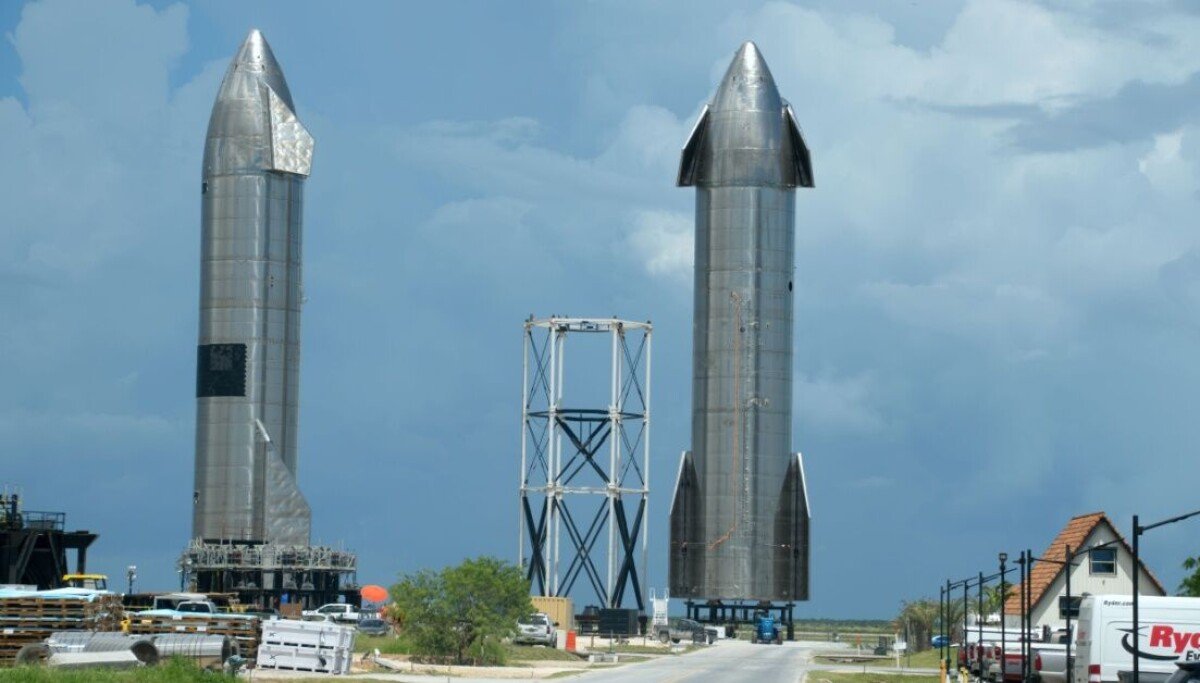
SpaceX announced that the next Starship flight will lift off on May 19 at 5:30 p.m. Central Time. This will be the 12th test of the system and the first from an entirely new launch complex at Boca Chica. The launch is a milestone because it will be the first flight of a third‑generation Starship, featuring a suite of upgrades that have never been proven in flight.
What is changing?
| Component | Previous version | New version |
|---|---|---|
| Booster grid fins | Four small fins | Three fins, each 50 % larger |
| Catch point | Fixed on‑pad capture system | New “catch‑point” geometry (not used on this flight) |
| Engines | Raptor 2, ~230 ton thrust each | Raptor 3, higher chamber pressure, ~250 ton thrust each |
| Propellant tanks | 3,400 m³ total | ~3,800 m³, giving ~12 % more delta‑v |
| Reaction‑control system | 28 thrusters | 32 thrusters with faster response |
| Starlink dispenser | 6‑slot mechanism | 22‑slot rapid‑deployment system |
The upgrades are intended to increase launch cadence, improve re‑entry survivability and speed up satellite deployment. However, every change introduces a risk of regression – an unintended loss of performance or safety that can only be discovered in a live test.
Legal and regulatory backdrop
The Federal Aviation Administration (FAA) still holds the launch license for Starship. Under 14 CFR § 415 the license requires SpaceX to demonstrate that any design change does not increase the probability of a catastrophic failure. The agency also monitors compliance with the National Environmental Policy Act (NEPA), which mandates an updated Environmental Impact Statement for significant modifications to launch operations.
Because the new pad features a taller launch tower and a different flame‑deflection system, SpaceX filed an FAA supplemental environmental assessment in March. The FAA concluded that the changes would not materially affect local air quality or wildlife, but it warned that any deviation from the approved flight profile could trigger a temporary suspension of the launch license under § 415.33.
Impact on users and the broader industry
- Satellite operators – The upgraded dispenser promises to launch up to 22 Starlink satellites in a single pass, cutting the time needed to replenish the constellation. Faster deployment reduces the risk of service interruptions for end‑users of broadband.
- Investors and insurers – A successful test would likely lower the risk premium that reinsurers charge for future Starship missions. Conversely, a failure tied to the new design could raise premiums and delay the commercial rollout of Starship‑based payload services.
- Local communities – Residents near Boca Chica have expressed concerns about increased noise and potential debris. The FAA’s environmental review includes a requirement for real‑time acoustic monitoring during the launch, data that will be posted publicly within 24 hours of the flight.
What the test will prove (and what it won’t)
Success criteria defined by SpaceX
- Launch and ascent – All 33 Raptor 3 engines ignite and the vehicle clears the pad without anomaly.
- Stage separation – Booster and Starship separate cleanly.
- Boost‑back burn – Booster fires its engines to turn back toward the Gulf of Mexico.
- Landing burn – Booster executes a controlled splash‑down in the Gulf.
- Starship objectives – Deploy 22 Starlink mass simulators, restart a single Raptor for a brief coast, survive a controlled re‑entry, and perform a dynamic banking maneuver.
What the test does not cover
- Full booster recovery – The catch‑point will not be used; the booster will be allowed to splash down.
- Starship reuse – The vehicle will be intentionally destroyed after re‑entry, so durability of the heat‑shield tiles will only be assessed via the two imaging simulators.
- Long‑duration orbital flight – The mission remains sub‑orbital, so any issues that appear only in sustained orbital operations will remain hidden.
What comes next if the test succeeds?
A clean flight would give SpaceX the data needed to close the regression gap identified in its internal safety review. The company could then request a minor amendment to its FAA launch license, allowing the booster to attempt a catch‑point landing on a later flight. The next logical step would be a full orbital Starlink deployment, followed by the first Starship‑to‑Starbase mission that aims to return the vehicle to the launch site for rapid reuse.
If the test uncovers a flaw – for example, excessive vibration from the larger grid fins or an unexpected thermal hotspot on the new Raptor 3 – the FAA could issue a temporary grounding until SpaceX files a corrective action plan. That would be a reminder that even incremental upgrades must survive the same regulatory scrutiny as entirely new launch vehicles.
Bottom line
The May 19 launch is more than a publicity event; it is a regulatory checkpoint for a rocket that is poised to reshape how we reach orbit. By putting a redesigned propulsion system, larger tanks and a new recovery architecture through a live flight, SpaceX hopes to prove that the upgrades have not introduced hidden safety issues. For satellite operators, insurers and the communities around Boca Chica, the outcome will shape expectations for the next wave of high‑frequency, low‑cost access to space.
Comments
Please log in or register to join the discussion