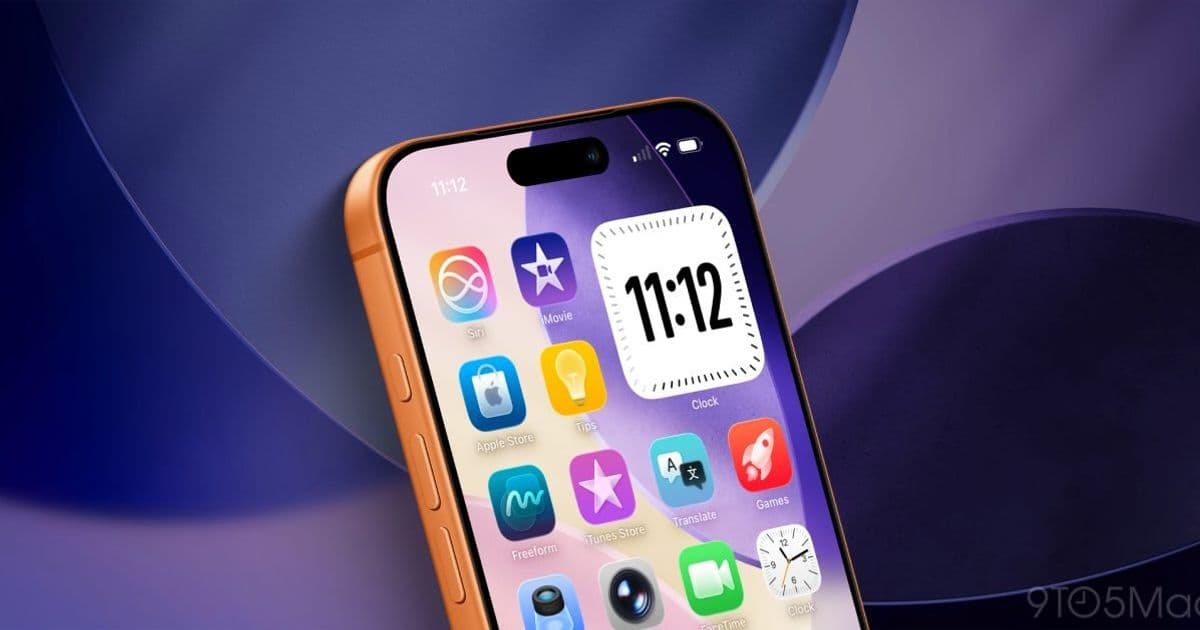
Apple is set to debut a dedicated Siri app in iOS 27, featuring conversation history that can auto‑delete, file uploads, and a new universal gesture. The app will ship with a beta label and run on Gemini‑based models hosted in Apple’s private cloud, keeping user data out of Google’s training pipelines.
Standalone Siri app to offer auto‑deleting chat history, launches with beta label
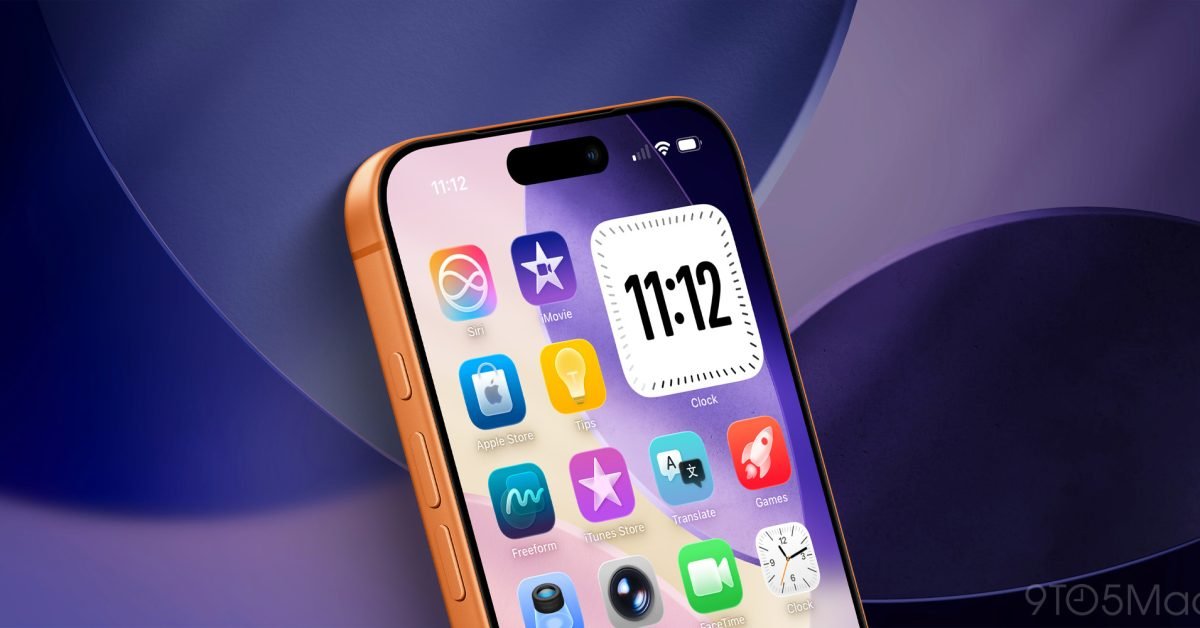
Apple is finally turning its long‑teased plan for a standalone Siri experience into a reality. According to Bloomberg’s Mark Gurman, iOS 27 will ship a dedicated Siri app that behaves more like a modern chat assistant than the legacy voice‑only overlay we’ve known for years. The rollout is slated for the WWDC 2026 developer previews, and the app will appear with a beta badge even when it reaches the public in the fall.
What the new Siri app brings
| Feature | How it works | Why it matters |
|---|---|---|
| Conversation view | A ChatGPT‑style thread where each exchange is saved as a message bubble. | Makes it easy to scroll back, copy text, or reference prior answers. |
| Messages‑style list | An alternative layout that groups chats by topic, similar to iMessage. | Gives power users a familiar way to organize multiple assistants (e.g., travel, coding, health). |
| Auto‑deleting chat history | Users can pick 30‑day, 1‑year, or never‑delete policies, mirroring iMessage’s settings. | Reinforces Apple’s privacy narrative and reduces lingering data on the device. |
| File upload | Drag‑and‑drop or tap‑to‑attach PDFs, images, or other documents directly into a chat. | Enables context‑rich queries such as “Summarize this contract” or “Find the recipe in this photo.” |
| Universal gesture | A three‑finger swipe from the right edge launches a new Siri chat from any screen. | Provides a quick, consistent entry point without leaving the current app. |
| Beta label | The app’s icon will carry a small “beta” tag; a toggle in Settings lets users opt out of the beta experience. | Signals that Apple may still be polishing the AI and gives users a clear way to revert to the classic Siri interface. |
Under the hood: Gemini models on Apple’s private cloud
Apple’s partnership with Google to use Gemini models is the technical backbone of the new Siri. Unlike the earlier approach where voice data was streamed to Google’s servers for processing, Apple will run Gemini‑based inference on its own private‑cloud compute fleet. In practice, this means:
- Data never leaves Apple’s infrastructure – user queries are processed on Apple‑owned hardware, and the raw audio/text is not shared with Google for model training.
- Latency improvements – Apple’s edge locations are already tightly integrated with iOS devices, so response times should feel snappier than the current cloud‑only model.
- Fine‑tuned safety layers – Apple can apply its own content‑filtering and on‑device privacy checks before the request hits the Gemini engine.
The move addresses a long‑standing criticism that Siri’s AI was “outsourced” and therefore less private than Apple’s other services.
How the beta label affects adoption
Apple has used beta branding for experimental features before – the first wave of Apple Intelligence in iOS 18 arrived with a similar tag. The label serves two purposes:
- Expectation management – users know the experience may still have quirks, which can soften backlash if the assistant misfires.
- Opt‑out flexibility – a toggle in Settings lets anyone revert to the legacy Siri UI, preserving the familiar voice‑only workflow for those who prefer it.
Developers will see the beta flag in the SDK, allowing them to test integrations early and provide feedback before the final release.
Ecosystem implications
The standalone Siri app deepens Apple’s push toward a unified AI layer across its hardware. With iOS 27, macOS 15, and watchOS 11 all slated to surface the same Apple Intelligence core, a dedicated app creates a single entry point for users to interact with the AI regardless of device.
- Cross‑device continuity – Chats started on an iPhone can continue on a Mac or iPad, thanks to iCloud sync of the conversation database (subject to the chosen auto‑delete policy).
- Lock‑in considerations – By keeping the AI pipeline on Apple‑controlled servers, the company reduces reliance on third‑party assistants and makes it harder for users to switch to competing ecosystems without losing their chat history.
- Developer opportunities – The new Siri API will let apps expose custom intents that can be invoked directly from the chat, opening a path for deeper integration without requiring a full‑screen UI.
What to watch at WWDC 2026
During the June keynote, Apple is expected to:
- Demonstrate the new Siri UI on a live device, highlighting the auto‑delete toggle and file‑upload flow.
- Reveal the exact privacy architecture that isolates Gemini processing from Google.
- Announce the timeline for rolling the beta label out to public users and the eventual removal plan once the experience is deemed stable.
If the demo lives up to the preview, the standalone Siri app could finally give Apple the conversational AI experience it has been promising for years, while keeping the privacy safeguards that set the brand apart.
Bottom line: iOS 27’s Siri app promises a more chat‑centric, privacy‑first assistant that runs on Apple‑hosted Gemini models. The beta label signals an iterative rollout, but the core features – auto‑deleting history, file uploads, and a universal gesture – are likely to stick around as the new standard for Apple Intelligence.
Comments
Please log in or register to join the discussion