
Steam is beta testing a new FPS estimation feature that will analyze your hardware and predict game performance, initially focusing on SteamOS devices like the Steam Deck before expanding to all platforms.
Steam is rolling out a new beta feature that will gather FPS data from users' hardware to estimate game performance, potentially helping gamers make more informed purchasing decisions before buying titles.
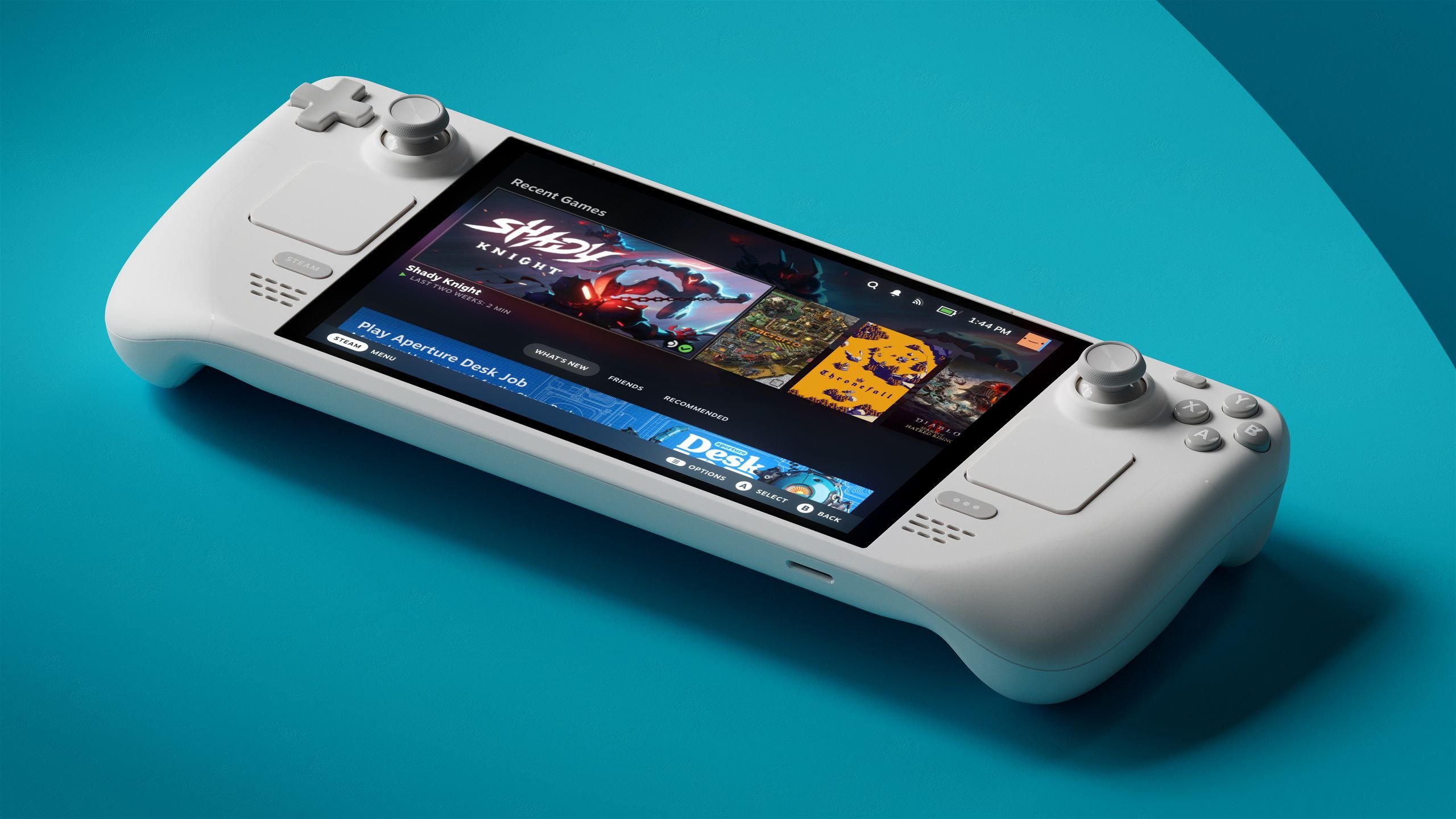
(Image credit: Valve)
The feature, currently in beta testing, will collect frame rate data based on PC specifications and display estimated FPS numbers on game store pages. Steam has indicated this capability will "focus on devices running SteamOS" during the initial testing phase, which likely includes handheld gaming devices like the Steam Deck and upcoming SteamOS-based systems.
This approach makes technical sense - SteamOS devices have a more limited range of hardware configurations compared to the virtually infinite combinations found in desktop and laptop PCs. By starting with a more controlled hardware environment, Steam can refine its estimation algorithms before potentially expanding to the broader PC gaming ecosystem.
The timing is particularly relevant given the growing handheld gaming market. With devices like the Steam Deck, Lenovo Legion Go S, and potential future Steam Machines, gamers need reliable performance indicators for hardware-constrained platforms. The feature could help users understand whether a game will run smoothly on their specific device before making a purchase.
How This Compares to Existing Solutions
Microsoft's Xbox ecosystem already offers a similar capability, providing performance predictions for games on various hardware configurations. However, early testing suggests these estimates can be unreliable. For instance, on a gaming laptop with an Intel Core i7-10870H, RTX 3060, and 32GB of RAM, Xbox's system indicated that Call of Duty: Modern Warfare III "Should perform great on your device" - despite real-world testing showing disappointing framerates and long load times.
Steam's approach appears more data-driven, potentially offering more accurate predictions by analyzing actual performance data from similar hardware configurations across its massive user base. This crowdsourced performance data could provide more realistic expectations than theoretical hardware requirements alone.
Potential Impact on Gaming Decisions
If implemented accurately, this feature could significantly influence how gamers choose titles. Players with hardware-limited devices like gaming laptops or handhelds could make more informed decisions about which games will provide playable experiences. This is particularly valuable for borderline hardware scenarios where games might technically meet minimum requirements but deliver subpar performance.
The feature could also reduce purchase regret and returns, as gamers would have clearer expectations about performance before buying. For developers, this might encourage optimization for lower-end hardware or clearer communication about performance requirements.
Current Status and Future Outlook
As of now, the FPS estimation feature remains in beta testing with no confirmed timeline for general release. Steam must first prove the accuracy of its predictions - an inaccurate system could damage user trust and lead to frustrated customers who purchased games based on misleading performance estimates.
The focus on SteamOS devices during beta testing suggests Valve sees immediate value for handheld gaming platforms, where hardware constraints are more pronounced and performance expectations are critical. However, the ultimate goal appears to be expanding this capability across all platforms where Steam operates.
With the handheld gaming market expanding and PC hardware diversity continuing to grow, having reliable performance predictions could become an essential feature for digital game storefronts. Steam's beta testing represents an important step toward more transparent and data-driven gaming recommendations.
Comments
Please log in or register to join the discussion