
The ongoing closure of the Strait of Hormuz is creating severe supply chain disruptions for the semiconductor and AI industries, with shortages of helium, aluminum, LNG, and other critical materials threatening chip production and data center operations with no clear timeline for resolution.
The ongoing closure of the Strait of Hormuz as part of the U.S.-Iran conflict is creating a cascade of supply chain disruptions that threaten to severely impact the semiconductor and artificial intelligence industries. Beyond the immediate oil price shocks, the blockade is causing critical shortages of helium, aluminum, liquid natural gas (LNG), and other materials essential for chip manufacturing and AI data center operations.
Critical Materials Under Threat
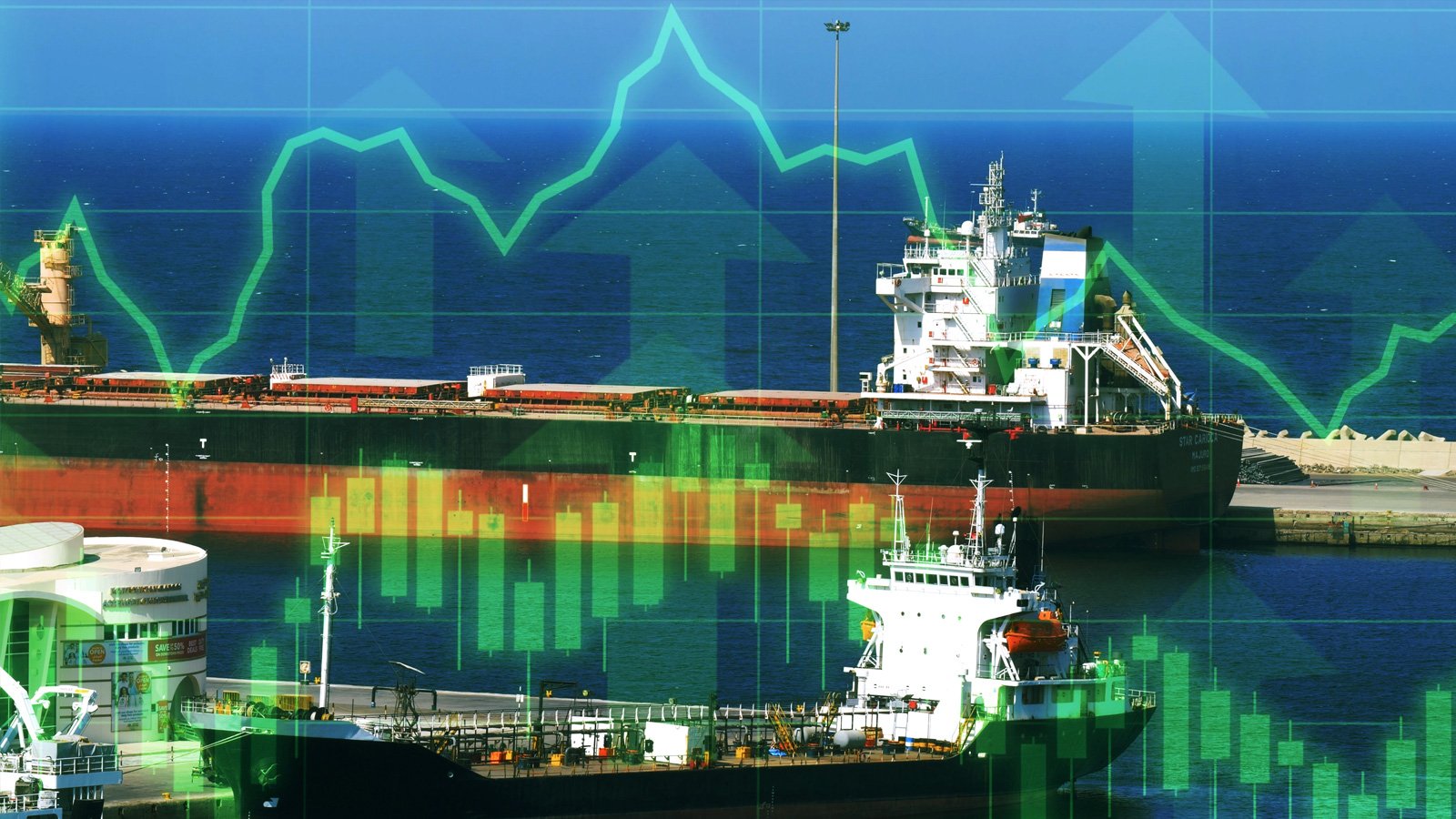
The Strait of Hormuz handles approximately 25% of global shipborne oil trade and 11% of total seaborne trade by volume. However, the impact extends far beyond petroleum products. The Middle East region, which processes around 9% of global aluminum smelting capacity, is now facing refinery shutdowns and incoming shortages. Regional suppliers have announced production cuts, while others have simply halted operations entirely during the conflict.
Copper supplies are also being affected, both because the metal flows through the Strait and because Iran is a major producer. This comes at a particularly inopportune time, as copper was already experiencing shortages due to explosive demand from AI data center buildouts announced throughout 2025.
Perhaps most concerning for the semiconductor industry is the helium shortage. Drone strikes have knocked out QatarEnergy's Ras Laffan complex, which still hasn't come back online over a week later. Qatar alone accounts for approximately 30% of global helium production, with the gas being a byproduct of its LNG operations. As producers shut down wells due to the supply disruption, helium supply lines are being cut off.
Why These Materials Matter for Chip Manufacturing
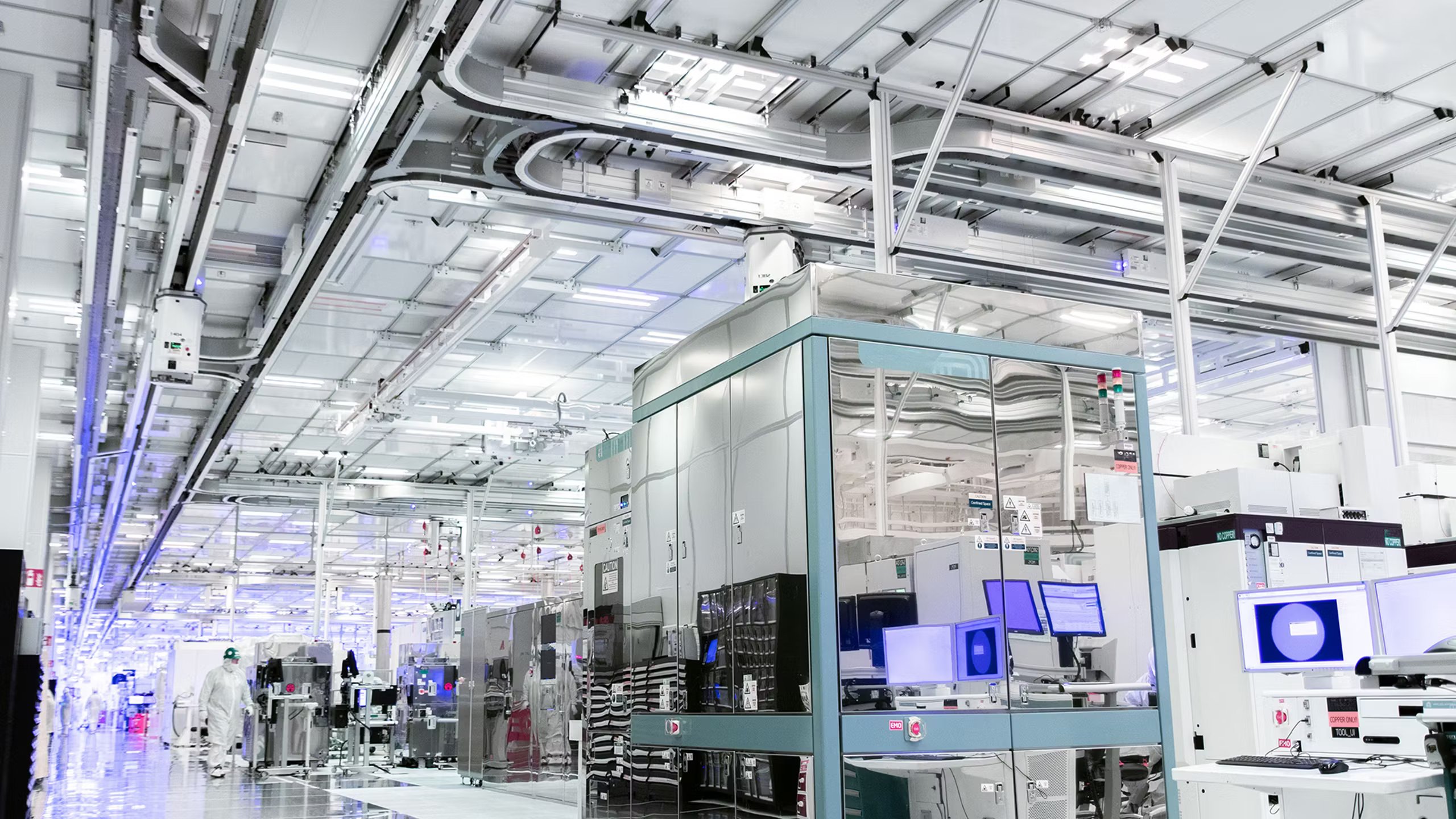
Helium plays an irreplaceable role in semiconductor production. As a chemically inert gas, it serves as both a blanket and purge gas during silicon wafer production. Its high thermal conductivity also makes it valuable as a coolant when liquefied. The gas is essential not just for manufacturing chips but for various stages of the production process.
Industry experts warn that if the helium shortage persists beyond two weeks, it could pose significant challenges for chip manufacturers. South Korean firms like Samsung and SK hynix are closely monitoring the situation, as any long-term disruption could impact memory supply at a time when the industry is already constrained. TSMC in Taiwan could also face impacts, though some Taiwanese companies claim to hold years' worth of helium reserves.
LNG shortages present another major challenge, particularly for AI data centers. The fuel is crucial for powering industries across Asia, including China and Taiwan, and has been heavily used to run new AI data centers operated by companies like xAI and OpenAI. European LNG prices have already risen by over 60%, and as gas prices increase, energy costs will follow, making AI data center operations more expensive.
Shipping Container Crisis Compounds Problems
The disruption extends beyond raw materials to the very logistics infrastructure that moves them. As ships get stuck waiting at the Strait for a chance to transit, they're not reaching their destinations and unloading their containers. The just-in-time nature of global shipping means those containers are no longer available to ship goods back the other way, creating a compounding disruption effect throughout global supply chains.
No Clear Resolution in Sight
With Iran having released sea mines into the Strait, the waterway faces an indefinite closure with no clear path to reopening. There's no timeline for when efforts to reopen the strait might even begin, and no indication that any of the parties involved want to initiate the process. This suggests the closure will continue for the foreseeable future.
The implications are severe for global trade and technology supply chains. Industry analysts suggest that anyone hoping for a return to normal pricing for memory or other components may be waiting a very long time. The combination of material shortages, energy price increases, and logistical bottlenecks creates a perfect storm that could extend supply chain disruptions well into the future.
Industry Response and Adaptation
Major semiconductor manufacturers are already taking steps to mitigate the impact. Companies are reportedly exploring alternative helium sources, though the global market for this specialized gas is limited. Some are accelerating efforts to recycle helium within their facilities, while others are investigating whether certain production processes can be modified to use less of the gas.
For AI data centers, the rising energy costs are forcing operators to reconsider their power strategies. Some are exploring increased use of renewable energy sources or negotiating long-term power purchase agreements to lock in prices before they rise further. However, these adaptations take time and may not fully offset the increased costs.
The semiconductor industry's experience with previous supply chain disruptions, particularly during the COVID-19 pandemic, may provide some resilience. Many companies have developed more diversified supplier networks and increased inventory buffers. However, the current situation involves physical blockades rather than just demand fluctuations, making it more challenging to work around.
As the conflict continues with no resolution in sight, the technology industry faces a period of significant uncertainty. The combination of material shortages, energy price volatility, and logistical bottlenecks threatens to slow the pace of AI development and semiconductor innovation at a time when demand for both is surging. Industry leaders are preparing for a prolonged period of disruption, with some suggesting that the current crisis could reshape global supply chains for years to come.

The full impact of these disruptions will likely become clearer in the coming weeks as companies report quarterly results and provide guidance on how they're navigating these challenges. For now, the technology industry finds itself once again at the mercy of geopolitical events far removed from its research labs and data centers, highlighting the continued vulnerability of global supply chains to regional conflicts.
Comments
Please log in or register to join the discussion