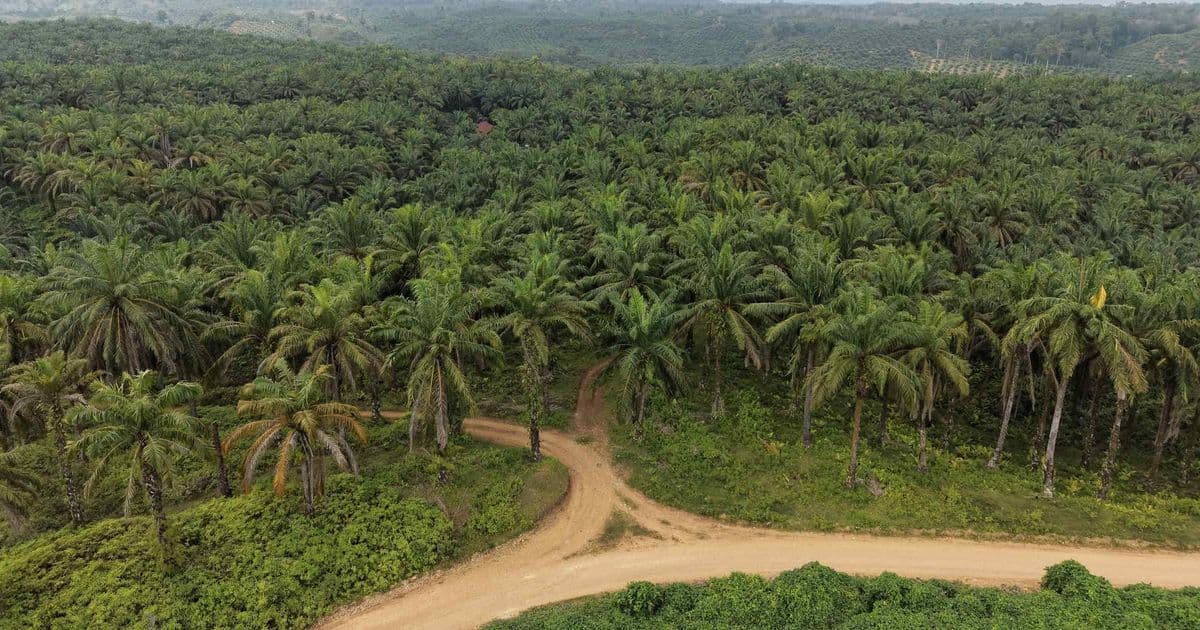
Deadly floods in Sumatra are forcing Indonesia to confront the environmental costs of its oil palm boom, as communities and policymakers grapple with the need for sustainable alternatives.
Indonesia's oil palm industry, once a symbol of rural prosperity, is facing an existential reckoning as climate-driven disasters expose the vulnerabilities of monoculture plantations. The catastrophic floods that struck Sumatra in early 2025 have not only claimed hundreds of lives but also sparked a fundamental reassessment of how Indonesia manages its agricultural landscapes and balances economic development with environmental sustainability.
The Flood That Changed Everything
The December 2024 floods that devastated West Sumatra and neighboring provinces were unprecedented in their scale and destruction. Heavy rainfall, exacerbated by deforestation and degraded watersheds, triggered massive landslides and flash floods that swept through communities and plantations alike. The disaster exposed how decades of oil palm expansion had transformed Sumatra's once-forested hillsides into vulnerable landscapes prone to erosion and flooding.
In the West Sumatran village of Lubuk Malako, a 170-hectare community-owned oil palm plantation managed by a local enterprise became both a lifeline and a cautionary tale. While revenue from the plantation had previously financed improvements to local schools and healthcare facilities, the floods revealed how dependent the community had become on a single crop that was now threatening their very survival.
Economic Dependencies and Environmental Costs
Indonesia's oil palm sector has been a cornerstone of rural development, providing employment for millions of smallholder farmers and generating billions in export revenue. The industry has been particularly important for communities like Lubuk Malako, where government fund transfers have been supplemented by plantation income. However, the floods have forced a painful reckoning with the hidden costs of this economic model.
The environmental toll has been severe. Sumatra has lost over 40% of its forest cover since 1990, much of it converted to oil palm plantations. This deforestation has disrupted natural water cycles, reduced biodiversity, and created conditions that make extreme weather events more destructive. The floods served as a stark reminder that the economic benefits of oil palm come with mounting environmental liabilities.
Policy Shifts and New Directions
In the wake of the disaster, Indonesian policymakers are exploring new approaches to land management and agricultural development. President Prabowo Subianto has made disaster response a key test of his administration's effectiveness, signaling a potential shift toward more sustainable development practices. The government is considering measures to promote agroforestry systems that combine oil palm with other crops and forest cover, potentially reducing environmental risks while maintaining economic benefits.
International pressure is also mounting. The European Union's deforestation regulations, which restrict imports of commodities linked to forest clearing, have created additional incentives for Indonesia to reform its plantation practices. Companies like Marubeni, which manages significant forest holdings in Indonesia, are facing increased scrutiny over their environmental practices and disaster preparedness.
Community Resilience and Adaptation
The experience of communities like Lubuk Malako offers valuable lessons about resilience and adaptation. While the floods devastated infrastructure and crops, the community-owned enterprise model provided a framework for collective recovery efforts. Local leaders are now exploring diversification strategies that would reduce dependence on oil palm while maintaining economic stability.
Some communities are experimenting with mixed agroforestry systems that incorporate native tree species alongside oil palm. These approaches aim to restore ecological functions while providing multiple income streams for farmers. The challenge lies in scaling these successful local experiments to the national level while addressing the complex economic and political interests that have sustained the current plantation model.
The Path Forward
Indonesia's oil palm industry stands at a crossroads. The floods have made clear that the current trajectory is unsustainable, both environmentally and economically. The path forward likely involves a fundamental restructuring of how plantations are managed, with greater emphasis on ecological restoration, community participation, and economic diversification.
The transformation will require significant investment in research and development, technical assistance for farmers, and policy reforms that align economic incentives with environmental goals. International partners and investors will need to support these efforts, recognizing that sustainable palm oil production is not just an environmental imperative but also an economic necessity for millions of Indonesians.
As Sumatra begins to recover from the floods, the question is not whether the oil palm industry will change, but how quickly and comprehensively that change can occur. The disaster has provided a painful but necessary wake-up call, forcing Indonesia to confront the true costs of its plantation economy and chart a more sustainable path forward.
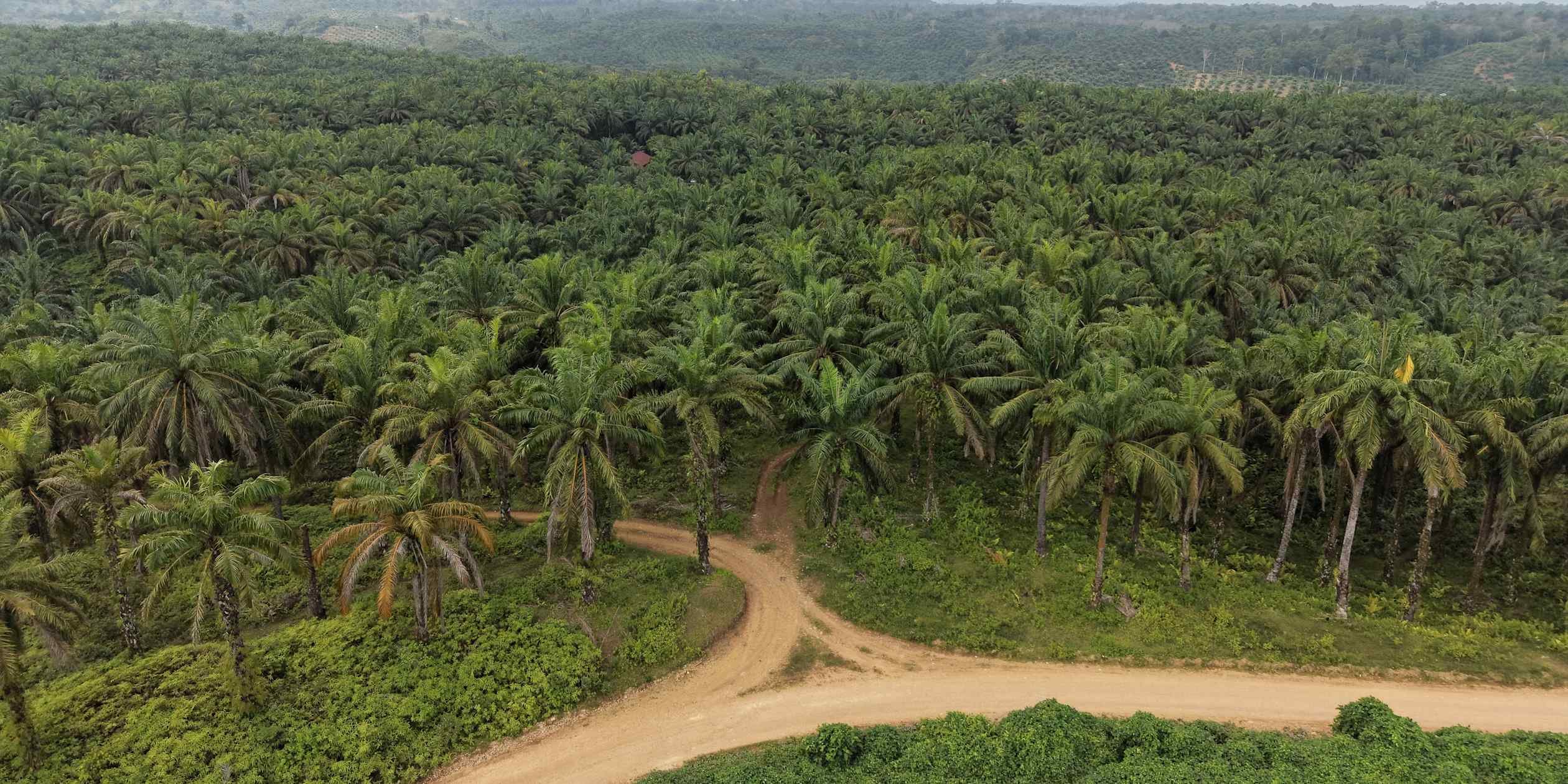
Featured image: Oil palm plantation in West Sumatra, where communities are grappling with the aftermath of catastrophic flooding and reconsidering their economic future.
Comments
Please log in or register to join the discussion