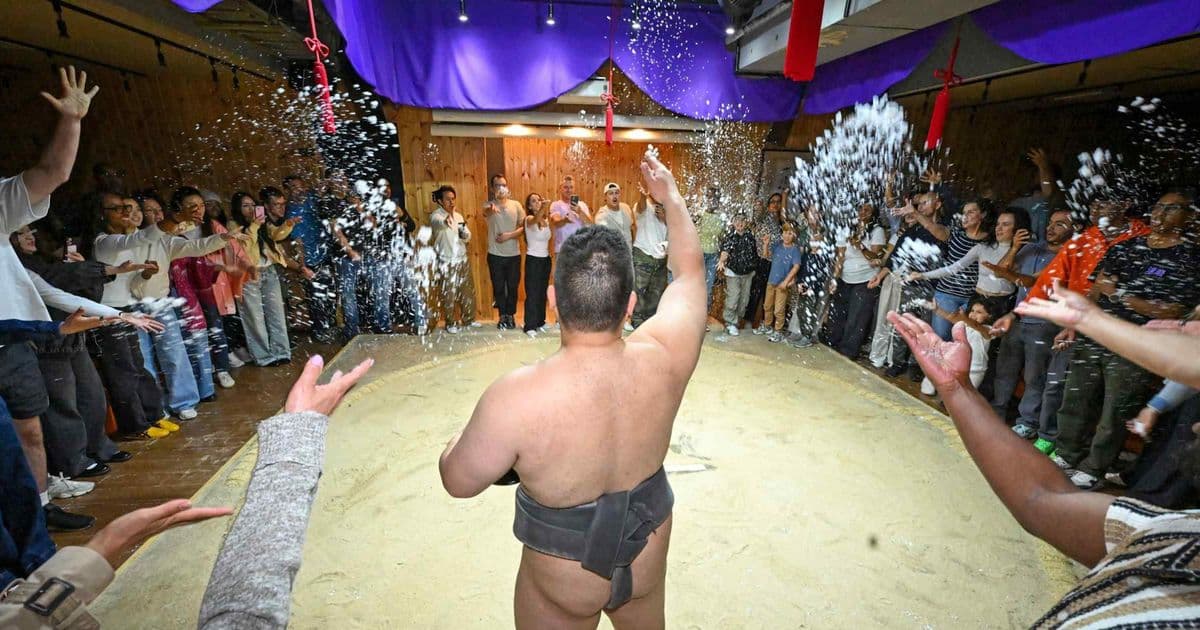
As Japan's inbound tourism continues to grow, immersive sumo experiences are becoming a significant revenue stream, offering international visitors alternative engagement with the traditional sport beyond tournament tickets.
Japan's booming inbound tourism market has catalyzed an innovative business sector: immersive sumo experiences that are generating substantial revenue while preserving cultural traditions. International visitors unable to secure limited tickets to official tournaments are increasingly turning to hands-on sumo attractions that offer comprehensive cultural engagement, creating a lucrative niche within Japan's travel industry.
The market opportunity is substantial. According to the Japan National Tourism Organization, international visitor arrivals reached a record 35.8 million in 2025, with tourism revenue exceeding ¥5.2 trillion ($34 billion). Within this expanding market, cultural experiences represent one of the fastest-growing segments, with sumo-themed attractions gaining particular traction among visitors from North America, Europe, and increasingly, Southeast Asia.
"We're seeing a transformation in how international tourists engage with Japanese culture," said Hiroshi Tanaka, tourism analyst at Mitsubishi UFJ Research. "The traditional model of just watching sports is evolving into participatory experiences that offer deeper cultural immersion. Sumo, with its rich rituals and traditions, is perfectly positioned to capitalize on this shift."
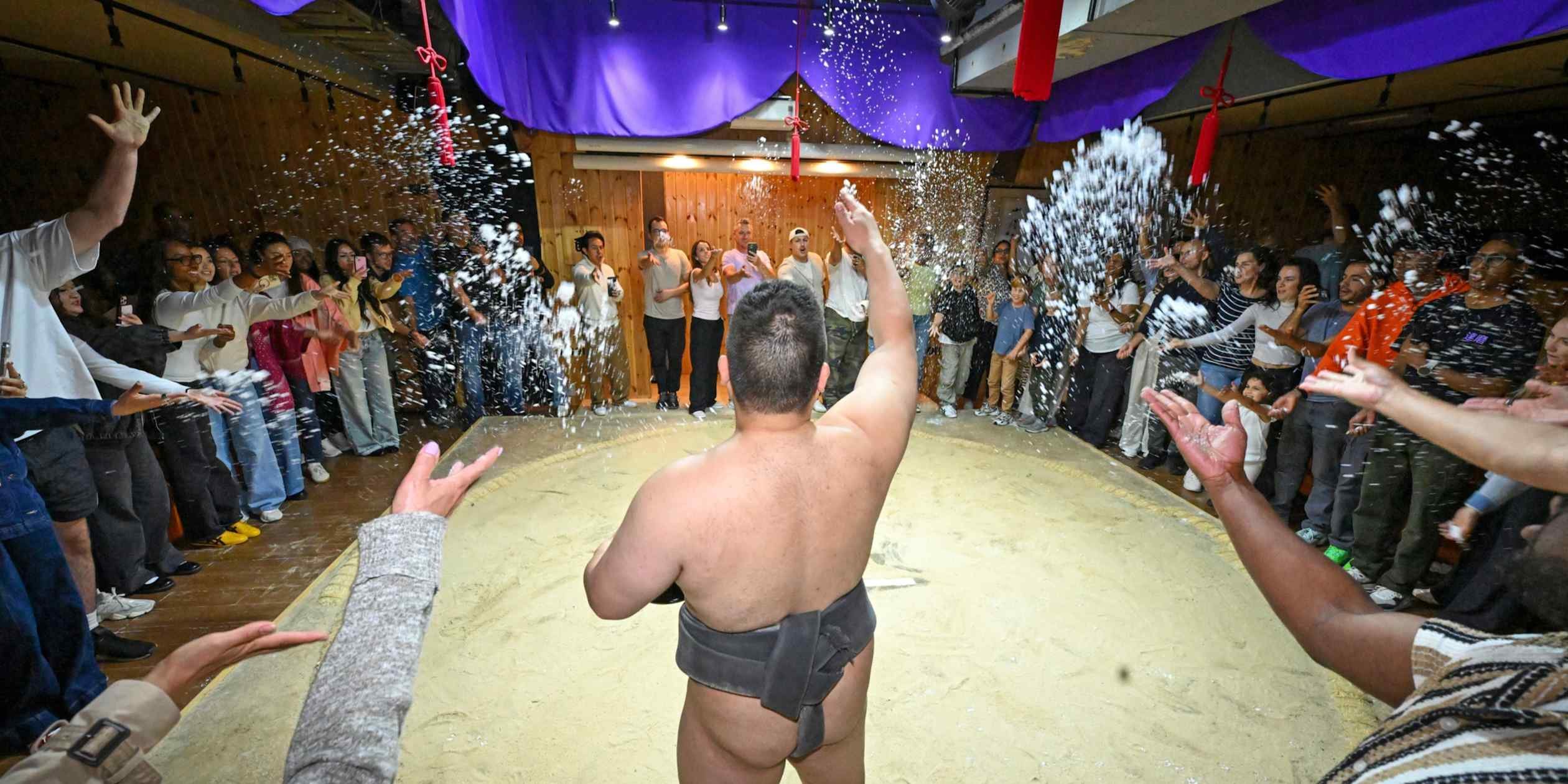
In Tokyo's Asakusa district, the Asakusa Sumo Club has become a flagship destination for international tourists seeking authentic sumo experiences. The venue offers interactive sessions where visitors can learn basic sumo techniques, participate in traditional rituals like the salt-throwing purification ceremony, and enjoy wrestler-sized meals. "Our international guests are fascinated by the holistic experience," said Takeshi Yamamoto, operations manager at Asakusa Sumo Club. "They don't just want to watch sumo; they want to understand it, feel it, and taste it."
The business model extends beyond Tokyo to other major tourist destinations. In Osaka, operators have developed dinner packages featuring rikishi (sumo wrestlers) serving as hosts, explaining the sport's history while guests enjoy traditional Japanese cuisine. In Kyoto, some ryokan (traditional inns) have incorporated sumo-themed wellness programs, combining elements of sumo training with traditional Japanese relaxation techniques.
The economic impact is significant. Industry estimates suggest that sumo-related tourism activities generate approximately ¥80-100 billion annually, with growth rates exceeding 15% year-on-year. This revenue stream is particularly valuable as it extends beyond peak tournament seasons and provides income opportunities during traditional tourism off-peak periods.
From a strategic perspective, the rise of sumo tourism represents a successful case study in cultural commodification that maintains authenticity while creating economic value. "The key has been finding the balance between commercialization and preservation," explained cultural economist Dr. Emiko Sato. "Successful operators understand that tourists seek genuine cultural experiences, not just staged performances. The economic sustainability of these businesses depends on maintaining the integrity of the traditions they present."
The business model has also spurred innovation in supporting industries. Local restaurants have developed "sumo-sized" meal packages, souvenir shops have created specialized sumo-themed merchandise, and transportation companies offer sumo-themed tour packages. This ecosystem approach has created multiplier effects that benefit the broader tourism economy.
Looking ahead, industry experts project continued growth in sumo tourism, particularly as Japan implements new visa facilitation measures and expands flight connectivity to emerging markets. The 2025 Rugby World Cup and 2026 Asian Games have already demonstrated Japan's capacity to host large-scale international events, potentially creating additional opportunities for sumo tourism promotion.
However, challenges remain. The traditional insularity of the sumo world has historically limited commercialization efforts. Bridging this gap between traditionalists and modern tourism entrepreneurs requires careful navigation of cultural sensitivities while maintaining business viability.
"The future of sumo tourism will likely involve more sophisticated segmentation of offerings," predicted Tanaka. "We may see premium experiences for high-end tourists, family-friendly packages, and specialized programs for martial arts enthusiasts. The successful operators will be those who can maintain cultural authenticity while adapting to diverse market demands."
As Japan continues to position itself as a premier cultural tourism destination, the evolution of sumo experiences exemplifies how traditional cultural assets can be transformed into sustainable business models that benefit both the tourism industry and the preservation of cultural heritage.
Comments
Please log in or register to join the discussion