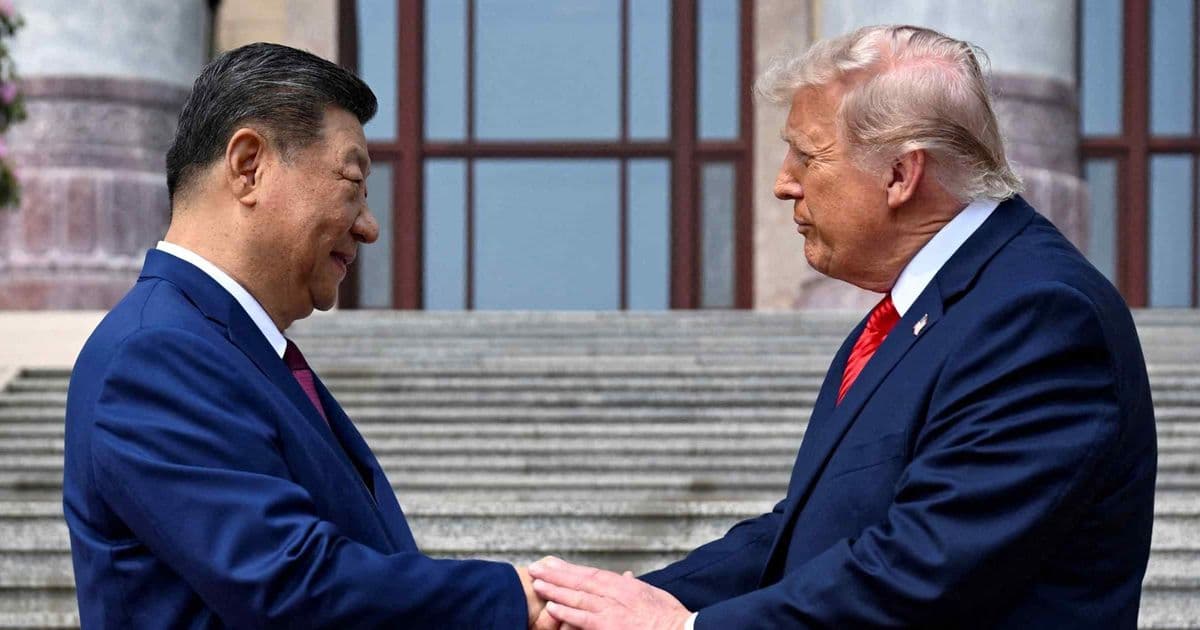
During a two‑day summit in Beijing, Chinese President Xi Jinping and U.S. President Donald Trump agreed to cut selected tariffs, expand farm‑product trade, and set up bilateral trade boards, while hinting at a large American aircraft deal. The announcements, though vague, signal a modest thaw in Sino‑U.S. economic ties and could reshape commodity flows and aerospace markets.
Business news
China’s foreign ministry confirmed that President Xi Jinping and President Donald Trump reached “preliminary agreements” to lower certain tariffs, broaden agricultural exchanges, and create joint boards for trade and investment. The communique also mentioned that China plans to purchase U.S.‑made aircraft, though no numbers were disclosed. Apart from these points, the statement offered little detail on the mechanics of the deals.
Market context
Tariff reductions
The United States currently imposes an average of 15% duty on Chinese‑origin goods, while China levies roughly 10% on U.S. products. The two sides have already trimmed tariffs on a limited list of items – for example, U.S. soybeans saw a 5% cut in 2024, boosting Chinese imports to 8.2 million tonnes, according to the USDA. Analysts estimate that a further 2‑3% reduction across a broader basket could add $2‑3 billion in annual trade volume, mainly in electronics, automotive parts, and consumer goods.
Agricultural trade
China bought 13.5 million tonnes of U.S. corn in 2025, up 22% from the previous year, after a modest tariff concession in 2023. If the new agreement expands the product list to include wheat, pork and dairy, the USDA projects a potential $4 billion uplift in U.S. farm exports by 2028. Such growth would help offset the sector’s recent price volatility caused by climate‑related yield swings in the Midwest.
Aircraft purchases
The reference to “aircraft purchases” likely points to a deal for Boeing’s 737‑MAX or 787‑Dreamliner families. Boeing’s 2025 revenue forecast allocated $12 billion to the Chinese market, but actual sales have lagged due to certification hurdles and competition from Airbus. A confirmed order of 200 jets, as hinted by the White House, would represent roughly 15% of Boeing’s projected 2027 commercial deliveries, translating to $10‑12 billion in revenue and a significant boost to its supply chain in the Pacific Northwest.
What it means
- Short‑term market relief – The tariff concessions should ease price pressure on imported electronics and consumer goods, offering a modest upside for U.S. manufacturers that have faced higher input costs since 2022.
- Agriculture gains – U.S. grain and meat exporters stand to benefit from a clearer pathway to Chinese buyers, potentially stabilising farm income after a series of weather‑related shocks.
- Aerospace impact – A large Boeing order would reinforce the company’s position in Asia, encouraging suppliers to ramp up production and possibly accelerating the rollout of next‑generation aircraft technologies.
- Geopolitical signaling – While the agreements are described as “preliminary,” they signal a willingness from both capitals to compartmentalise trade from broader strategic tensions, especially around Taiwan and technology transfer restrictions.
- Investor outlook – Analysts at Goldman Sachs have raised their 2026 earnings forecasts for Boeing by 3% and for major U.S. agribusinesses by 2% in response to the summit. However, the lack of concrete figures keeps market volatility elevated; any delay or rollback could trigger a swift reassessment.
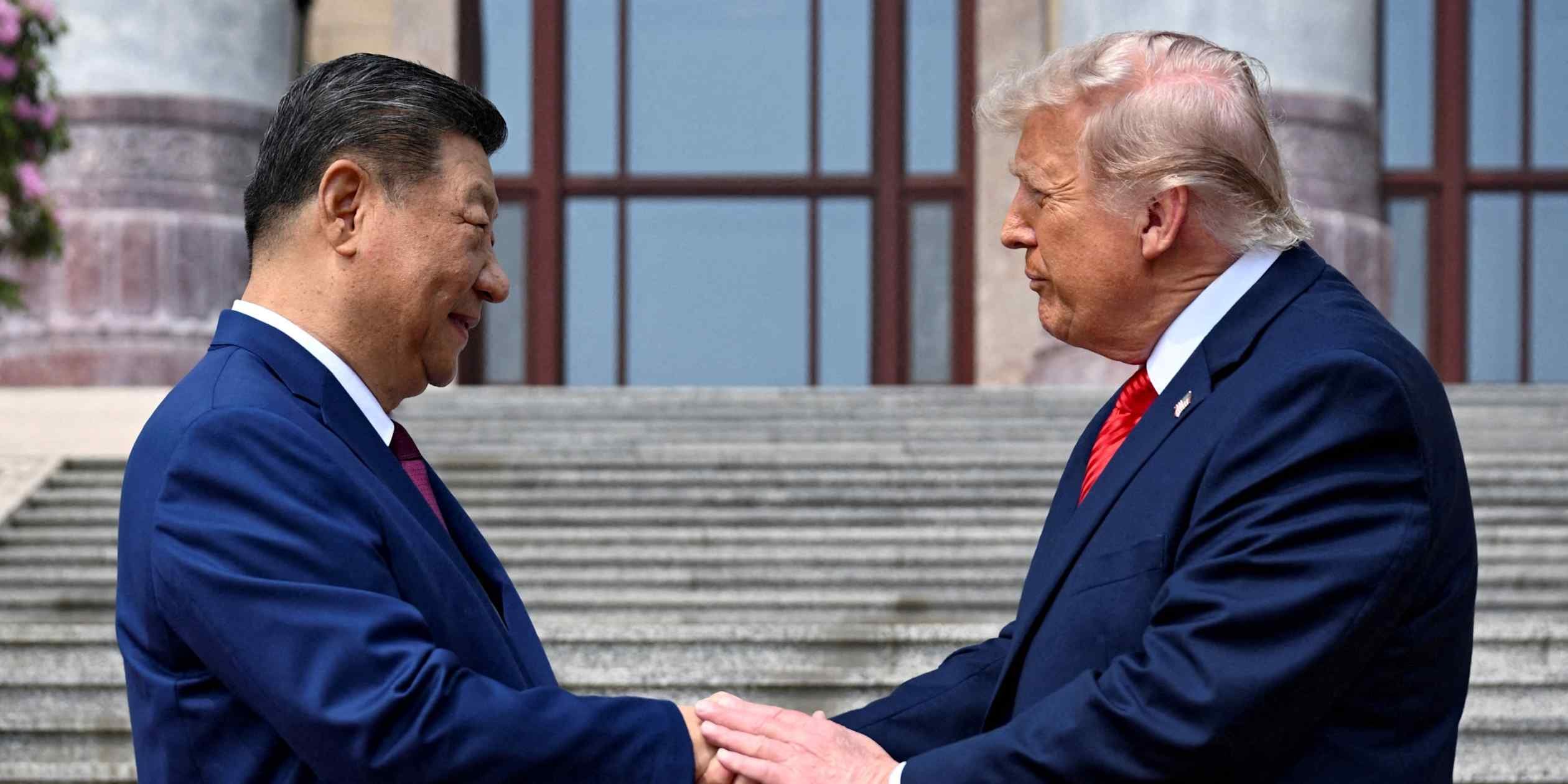
The summit’s symbolic photos underscore the diplomatic tone, but the real impact will be measured in the next quarterly trade data releases.
Key links for further reading
Comments
Please log in or register to join the discussion