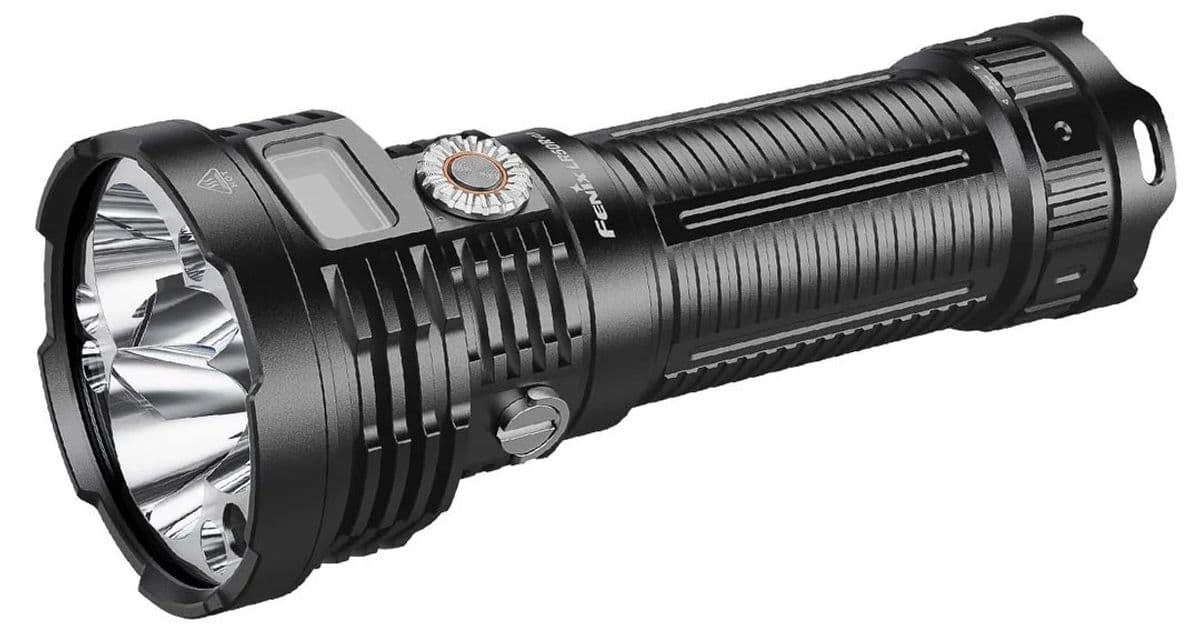
Fenix’s upgraded LR50R V2.0 boosts lumen output to 1,800, triples its battery capacity and adds an OLED status screen, but the longer throw distance drops to 925 yards. The new “battery stick” doubles charging speed and doubles runtime, making the unit a versatile tool for professionals who can handle its 115 Wh size.
What’s new in the LR50R V2.0
Fenix Lighting has refreshed its flagship LR50R with a second‑generation model that pushes several key specifications beyond the original. The headline numbers are eye‑catching:
- Maximum output: 1,800 lumens (up from 1,200 lumens)
- Throw distance: 925 yards (down from 1,040 yards, indicating a wider beam)
- Battery capacity: 115 Wh (vs. 58 Wh on the first version)
- Runtime: up to 195 hours on low mode (versus 58 hours previously)
- Interface: monochrome OLED display showing mode, battery level and temperature
- Charging: dual USB‑C ports, 18 W QC/PD on one, 45 W PD on the other, full charge in ~3 h
- Additional LEDs: white spot/flood, UV, and red
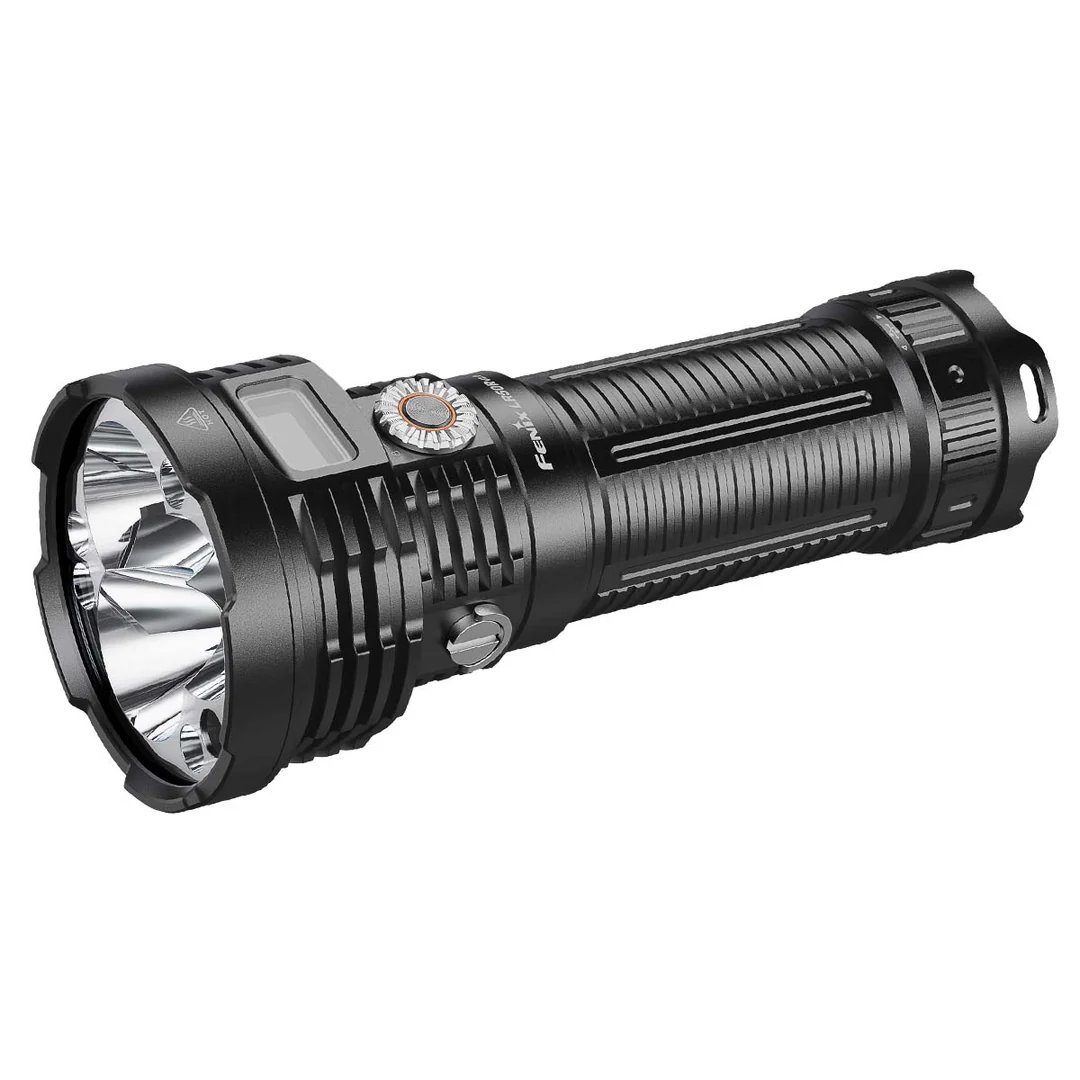
The most visible change is the new OLED screen that replaces the simple LED indicators of the older model. It provides real‑time data in black‑and‑white, which is especially handy when the unit is mounted on a helmet or used in low‑visibility conditions.
Battery stick – a modular power‑bank
Fenix calls the new power source a “battery stick”. It is a proprietary 46950 cylindrical cell that slides out of the grip, effectively turning the flashlight into a 115 Wh power bank. The design lets users swap the stick for a spare in the field, a feature that was impossible with the sealed battery of the first LR50R.
Charging is where the stick shines. One USB‑C port supports up to 18 W (Quick Charge and Power Delivery at 5 V, 9 V, or 12 V). The second port delivers 45 W PD (15 V × 3 A). Both ports can be used simultaneously, a capability found in only a handful of high‑capacity power banks. According to Fenix, the stick reaches 100 % in roughly three hours.
Light performance – brighter but broader
The jump from 12,000 to 18,000 candela translates to a 50 % increase in luminous intensity, but the throw distance drops by about 115 yards. The reason is a deliberately wider optics package that spreads the beam to illuminate a larger area. For search‑and‑rescue or tactical scenarios where situational awareness matters more than pinpoint focus, the trade‑off makes sense.
The unit still offers classic spot and flood modes, plus a UV LED for forensic work and a low‑profile red LED for night navigation. The OLED screen lets you toggle between these modes without reaching for a button, reducing the chance of accidental switches.
Runtime and efficiency
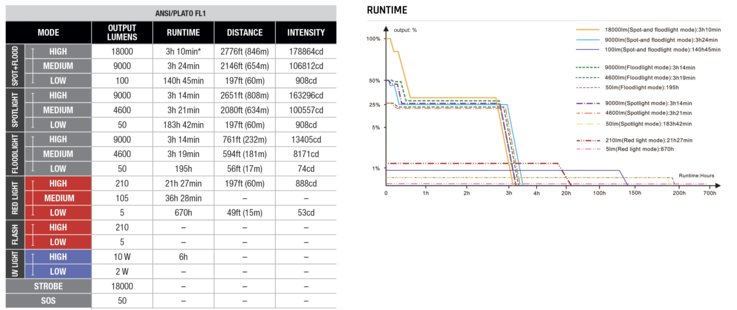
The 115 Wh stick more than doubles the runtime at the lowest setting, reaching 195 hours (over eight days) on a 0.1 % output. Even at medium output (200 lumens), the stick delivers about 40 hours, which is competitive with many dedicated camping lanterns.
The increased capacity does bring a regulatory headache: units over 100 Wh require airline approval for cabin transport. Users who travel frequently will need to file a special request or ship the flashlight as checked baggage.
How it stacks up against the original and rivals
| Feature | LR50R (Gen 1) | LR50R V2.0 | Competitor (e.g., Olight X9R) |
|---|---|---|---|
| Max lumens | 1,200 | 1,800 | 2,000 |
| Throw (yards) | 1,040 | 925 | 1,200 |
| Battery (Wh) | 58 | 115 | 100 |
| Runtime (low) | 58 h | 195 h | 120 h |
| OLED display | No | Yes | Yes |
| USB‑C charging | No | Dual (18 W + 45 W) | Single 30 W |
| Price (USD) | $299 | $370 | $340 |
The LR50R V2.0 does not claim the highest lumen output in the market, but its combination of long runtime, modular battery and OLED interface places it in a niche where endurance and information density matter more than raw brightness.
Who should consider the LR50R V2.0?
- Tactical teams and first responders who need a reliable, long‑lasting light source with quick‑swap power.
- Outdoor enthusiasts who value the ability to charge phones or GPS units from the same stick.
- Professionals such as electricians or mechanics who benefit from the built‑in UV and red LEDs for inspection tasks.
- Travelers who can manage the airline paperwork or plan to ship the unit separately.
For users whose primary goal is maximum throw distance or who need a sub‑100 Wh device for unrestricted air travel, the older LR50R or a slimmer competitor may still be preferable.
Bottom line
Fenix’s LR50R V2.0 is a solid evolution rather than a radical overhaul. The OLED display, dramatically larger battery and dual‑port fast charging address the most common complaints about the first model. The modest loss in throw distance is a conscious design choice that favors a wider illumination pattern. At $370 it sits at the high end of the premium flashlight market, but the added functionality justifies the price for power‑hungry professionals.
Official pricing and purchase options are listed on the Fenix US store.
Comments
Please log in or register to join the discussion